





Sinaloa Cartel Co-Founder ‘El Mayo’ Zambada Sentenced to Life, Marking Landmark Victory in U.S. Counter-Narcotics Enforcement
The U.S. Department of Justice has announced that Ismael “El Mayo” Zambada Garcia, co-founder and longtime leader of the Sinaloa Cartel, has been sentenced to life in federal prison and...
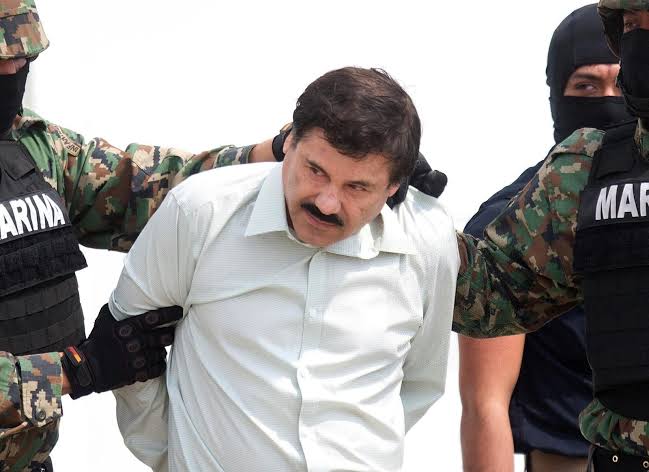
The U.S. Department of Justice has announced that Ismael “El Mayo” Zambada Garcia, co-founder and longtime leader of the Sinaloa Cartel, has been sentenced to life in federal prison and ordered to forfeit $15 billion in drug trafficking proceeds following his guilty plea to operating a continuing criminal enterprise and other major narcotics offenses. The sentence concludes one of the most significant prosecutions against a global organized crime leader, reflecting decades of coordinated efforts by U.S. law enforcement to dismantle transnational drug trafficking networks responsible for the distribution of fentanyl, cocaine, heroin, methamphetamine, and other illicit drugs into the United States.
Federal prosecutors described Zambada as the strategic architect behind the Sinaloa Cartel’s international trafficking operations for nearly four decades, overseeing the movement of massive quantities of narcotics while directing acts of violence, corruption, intimidation, and murder to preserve the organization’s criminal enterprise. In addition to the mandatory life sentence, the court ordered the forfeiture of $15 billion, one of the largest criminal forfeiture judgments ever imposed in a U.S. narcotics case, underscoring the government’s continued focus on depriving criminal organizations of the financial proceeds generated through illicit activity.
The sentencing reinforces the Department of Justice’s strategy of combining criminal prosecutions with aggressive asset forfeiture, financial investigations, and international law enforcement cooperation to disrupt transnational criminal organizations. It also highlights the increasing emphasis on targeting the financial infrastructure that enables organized crime, rather than focusing solely on narcotics seizures or individual arrests. Authorities continue to position financial disruption, anti-money laundering enforcement, and cross-border intelligence sharing as essential tools in combating global drug trafficking and cartel operations.
For compliance professionals, the case serves as a reminder that financial institutions, multinational corporations, logistics providers, and other regulated entities remain on the front line of detecting and preventing illicit financial flows linked to transnational organized crime. Robust anti-money laundering controls, sanctions screening, beneficial ownership verification, transaction monitoring, and third-party due diligence continue to play a critical role in identifying criminal networks seeking to exploit legitimate financial systems. As regulators intensify efforts to disrupt cartel financing, organizations should expect continued scrutiny of high-risk transactions, cross-border payments, trade-based money laundering schemes, and other financial activities associated with organized crime.
Organized Crime, Transnational Crime, Drug Trafficking, Narcotics Enforcement, Financial Crime, Anti-Money Laundering, Asset Forfeiture, Criminal Enforcement, Government Enforcement, International Cooperation, Sanctions Compliance, Financial Intelligence, Corporate Compliance, Cross-Border Investigations, Law Enforcement.






No Comment! Be the first one.