




US DOJ Captures Alleged Mastermind Behind $547 Million Medicare Fraud Scheme, Reinforcing Focus on Healthcare Compliance
The U.S. Department of Justice has announced the arrest and extradition of Khalid Ahmed Satary, the alleged architect of a sprawling $547 million Medicare fraud scheme centered on medically...
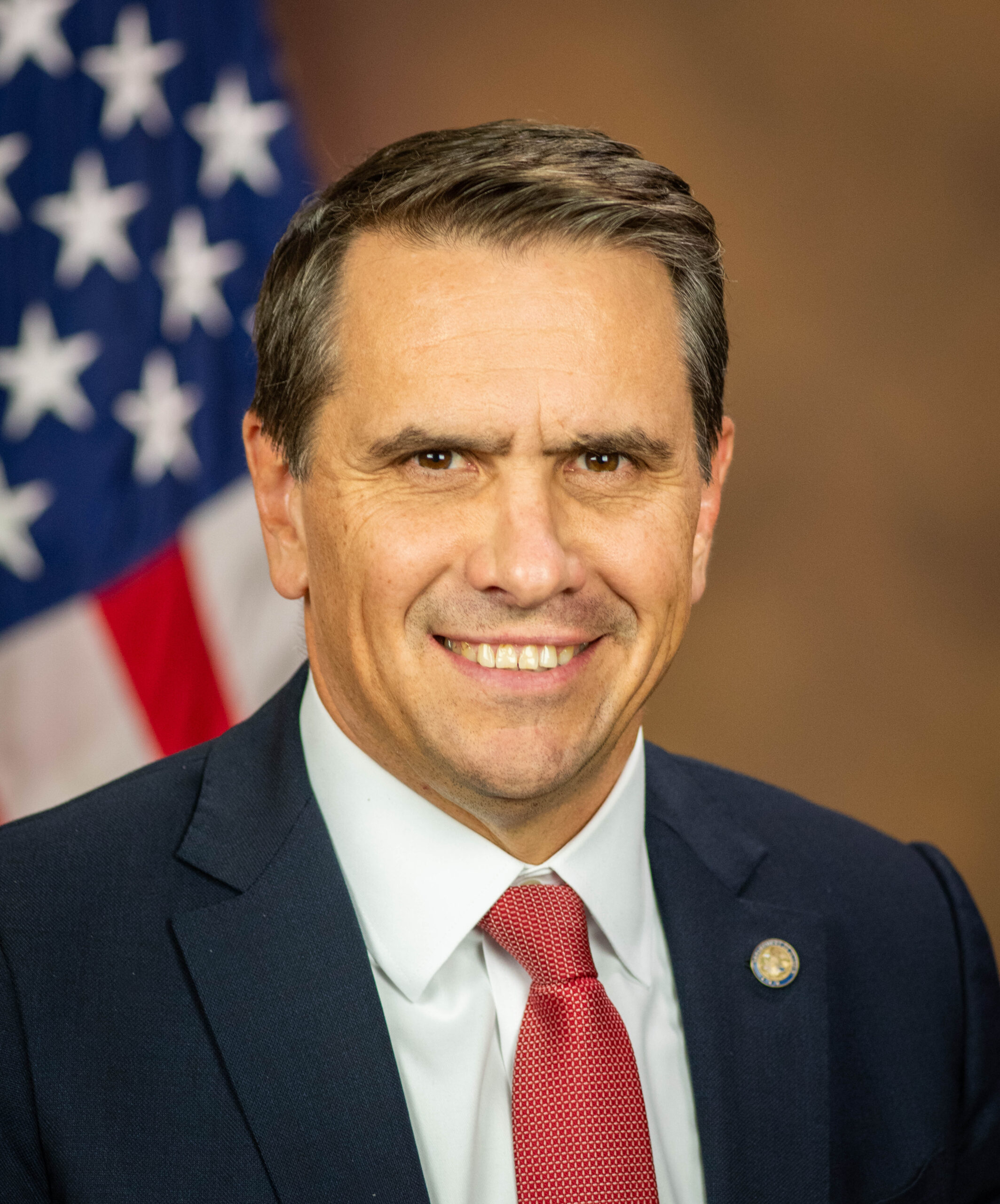
The U.S. Department of Justice has announced the arrest and extradition of Khalid Ahmed Satary, the alleged architect of a sprawling $547 million Medicare fraud scheme centered on medically unnecessary genetic testing. Satary, who had fled the United States while on pretrial release and was placed on the FBI’s Most Wanted Fraudsters List, was apprehended overseas and returned to the United States to face prosecution. His arrest marks another significant milestone in the government’s expanding effort to pursue healthcare fraud beyond U.S. borders and hold fugitives accountable regardless of where they attempt to evade justice.
According to federal prosecutors, the alleged scheme relied on a network of deceptive telemarketing operations, telemedicine providers, and diagnostic laboratories to obtain Medicare beneficiary information and submit fraudulent claims for genetic tests that were neither medically necessary nor properly authorized. Authorities also allege that illegal kickbacks were paid in exchange for patient referrals, enabling the organization to generate hundreds of millions of dollars in false Medicare reimbursements.
The case underscores the Justice Department’s continued emphasis on combating sophisticated healthcare fraud schemes that exploit emerging care delivery models and diagnostic services. Genetic testing, telemedicine arrangements, and laboratory billing practices have become recurring enforcement priorities as regulators intensify scrutiny of providers, marketers, and intermediaries involved in federal healthcare programs. The government’s willingness to pursue extradition also signals that international flight is unlikely to shield individuals accused of large-scale financial crimes from prosecution.
For compliance professionals, the case serves as a reminder that healthcare organizations must maintain rigorous controls over billing practices, referral relationships, and third-party partnerships. Effective oversight of telemedicine vendors, marketing affiliates, laboratories, and physician arrangements remains essential to ensuring claims are supported by medical necessity and comply with federal fraud and abuse laws. Robust due diligence, continuous monitoring, and well-designed compliance programs continue to represent the strongest defenses against regulatory enforcement and reputational risk.
As federal agencies expand coordinated enforcement efforts across jurisdictions, organizations participating in Medicare and other government healthcare programs should expect continued scrutiny of high-risk billing patterns, financial relationships, and cross-border fraud activity. The latest arrest reinforces that healthcare fraud remains one of the Department of Justice’s highest enforcement priorities, with increasingly sophisticated investigative capabilities and sustained international cooperation.
Healthcare Fraud, Medicare Fraud, Government Enforcement, Financial Crime, Regulatory Compliance, Healthcare Compliance, Telemedicine Compliance, Laboratory Compliance, Anti-Kickback Enforcement, False Claims Act, Fraud Risk Management, Cross-Border Investigations, Corporate Governance, Third-Party Risk, White-Collar Crime.






No Comment! Be the first one.