




World Bank Debars Three Nigerian Firms over Alleged Procurement Fraud
The World Bank has sanctioned three Nigeria-based companies over fraudulent practices linked to procurement processes, reinforcing the importance of transparency, accountability and integrity in...
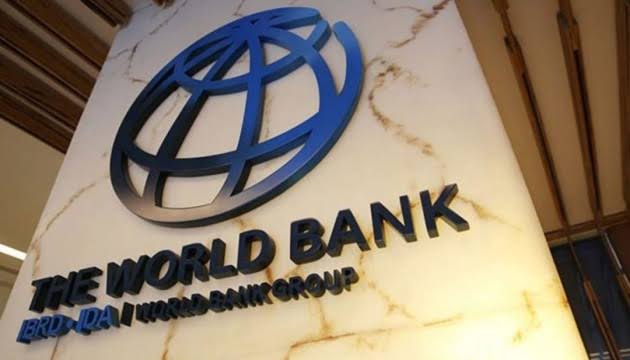
The World Bank has sanctioned three Nigeria-based companies over fraudulent practices linked to procurement processes, reinforcing the importance of transparency, accountability and integrity in projects financed by international development institutions.
Bruke Lonia Nigeria Limited received a 40-month debarment after allegedly submitting falsified financial records, qualification documents and annual turnover information during the bidding process for the Ibadan Urban Flood Management Project (IUFMP).
Idmon Engineering and Construction Company Limited and Inclined Tech & Construction Company Limited were also reportedly sanctioned under the same directive for similar procurement-related violations.
The sanctions highlight the risks associated with misrepresentation in competitive bidding, particularly where contractors are required to demonstrate their financial capacity, technical qualifications and eligibility to execute publicly funded projects
Compliance implications
From a regulatory compliance and anti-fraud perspective, the case underscores the importance of robust procurement controls, independent verification of bidder credentials and accurate financial disclosures. Companies participating in development-financed projects must ensure that submitted records are authentic, verifiable and consistent with applicable procurement requirements.
The development also highlights the role of integrity screening and due diligence in identifying potential risks before contracts are awarded. Procurement authorities and project implementation units can strengthen safeguards through document authentication, financial checks, beneficial ownership reviews and effective monitoring of bidding processes.
Under the World Bank’s sanctions framework, debarred firms are generally ineligible to participate in World Bank-financed contracts for the periods specified in their sanctions. The Bank’s sanctions system is designed to address prohibited practices, including fraud and corruption, in projects it finances.
For Nigerian businesses, the sanctions serve as a reminder that procurement compliance extends beyond submitting the lowest bid or meeting technical specifications. Integrity, accurate disclosures and documented internal controls are essential to maintaining eligibility for international development contracts and protecting corporate reputations.
The case reinforces the need for organisations seeking public and development-financed contracts to establish effective anti-fraud policies, strengthen internal audit functions and maintain clear accountability throughout the procurement lifecycle.





No Comment! Be the first one.