




WASHINGTON’S PRESSURE ON NIGERIA INTENSIFIES: Proposed Lobbying Ban Raises New Legal, Diplomatic and Compliance Risks
A proposed US legislative restriction on paid lobbying for the Nigerian government is introducing a new dimension to bilateral tensions, raising questions about foreign-agent compliance, diplomatic...
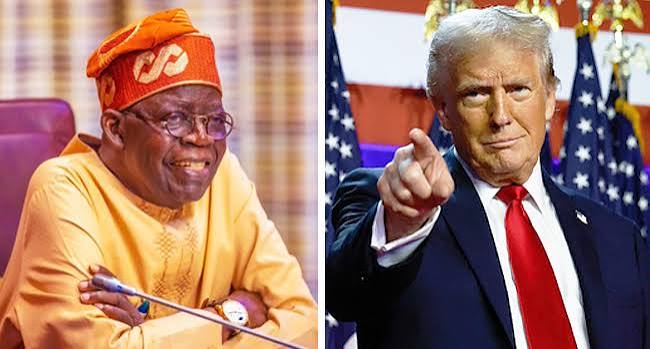
A proposed US legislative restriction on paid lobbying for the Nigerian government is introducing a new dimension to bilateral tensions, raising questions about foreign-agent compliance, diplomatic engagement and Nigeria’s management of international reputational risk.
Nigeria’s engagement with Washington faces renewed scrutiny following the November 2026 US midterm elections, which saw key congressional critics of Nigeria retain their seats. Among them are Representatives Riley Moore and Chris Smith, lawmakers who have advocated stronger US action over allegations of religious persecution and insecurity in Nigeria.
Attention has also turned to H.R. 10939, the proposed Nigerian Accountability Act, introduced on October 29, 2026, by Representative Barry Moore of Alabama. The legislation seeks to prohibit compensated representation of the Nigerian government in the United States for as long as Nigeria remains designated a Country of Particular Concern (CPC) over religious freedom.
Importantly, the bill is not yet law. It was referred to the US House Committee on the Judiciary for consideration. Its introduction nevertheless creates a significant compliance and diplomatic issue for Nigeria’s government and its Washington-based representatives.
Foreign-Agent Compliance and Legal Exposure
The proposed legislation would operate within the framework of the US Foreign Agents Registration Act (FARA). It provides for civil penalties of up to $200,000 for knowing violations and criminal penalties of up to five years’ imprisonment, or fines, or both, where a violation is committed knowingly and corruptly.
The proposal is particularly significant because it targets compensated agency relationships on behalf of the Nigerian government during the specified designation period. It also preserves an exemption for independent, uncompensated activity.
For lobbying firms, legal advisers and communications consultants, the implications could extend to contract reviews, payment arrangements, client classification and regulatory due diligence.
Reputational and Diplomatic Risk
The development also highlights the growing importance of reputational risk management in international relations. Allegations concerning religious freedom, insecurity and the protection of vulnerable communities are increasingly influencing legislative scrutiny of Nigeria in Washington.
For Nigeria, the challenge extends beyond lobbying strategy. International credibility will depend substantially on demonstrable improvements in security, transparent investigations, accountability and credible engagement with human-rights concerns.
Legislative Status and Strategic Implications
A critical distinction is that H.R. 10939 is not a comprehensive sanctions bill against Nigeria. It specifically targets compensated lobbying on behalf of the Nigerian government while the CPC designation remains in force. Its proposed penalties include civil fines of up to $200,000 and imprisonment of up to five years for qualifying criminal violations.
The re-election of Riley Moore and Chris Smith means their congressional advocacy can continue, although the broader political environment has changed with Democrats securing control of both chambers in the midterms.
Compliance Outlook
For Nigeria, the implications extend to government-sponsored lobbying contracts, foreign-agent registration, international legal representation and diplomatic communications.
The Federal Government should ensure that all US-based lobbying engagements undergo rigorous legal review, contractual due diligence and transparent financial documentation. Firms representing Nigerian public institutions should also assess their exposure under FARA and monitor legislative developments.
Ultimately, the issue extends beyond the ability to retain Washington lobbyists. Nigeria’s international credibility will increasingly depend on verifiable progress in addressing insecurity, protecting religious freedom and demonstrating institutional accountability.
The emerging compliance lesson is clear: international reputation cannot be managed through lobbying expenditure alone; it must be supported by credible governance, measurable reforms and demonstrable respect for human rights.




No Comment! Be the first one.