




NCC Crackdown: Millions of Phones, POS Terminals Face Network Shutdown Over Regulatory Breaches
Millions of Nigerians, including mobile phone users, Point-of-Sale (POS) operators and businesses, could face network disconnection as the Nigerian Communications Commission (NCC) intensifies...
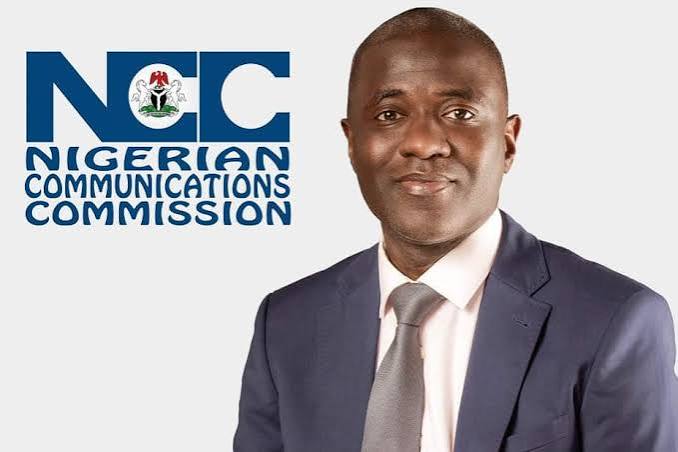
Millions of Nigerians, including mobile phone users, Point-of-Sale (POS) operators and businesses, could face network disconnection as the Nigerian Communications Commission (NCC) intensifies enforcement of its device verification and type-approval regulations.
The enforcement, which commenced in October 2026, requires SIM-enabled devices operating on Nigerian telecommunications networks to comply with approved technical, safety and spectrum compatibility standards.
Under the framework, devices flagged as unverified may receive automated warnings and face network restrictions after 30 cumulative days of active network usage.
The affected equipment includes smartphones, basic mobile phones, tablets, modems, routers and POS terminals.
The NCC said the initiative is designed to eliminate counterfeit, cloned and substandard devices, protect consumers and strengthen network integrity.
According to the commission’s Director of Technical Standards and Network Integrity, Edoyemi Ogoh, type approval is essential to safeguarding network performance and maintaining confidence in Nigeria’s digital economy.
However, the policy has triggered concerns among phone dealers and consumers, particularly those operating within Nigeria’s informal electronics market.
The Association of Mobile Phones and Allied Products Traders of Nigeria has previously challenged proposed registration fees for newly imported devices, warning that additional compliance costs could increase handset prices and affect market access.
The NCC has clarified that approximately 231 million SIM-enabled devices already active before October 7, 2026, were automatically whitelisted, protecting existing users from retrospective disconnection under the exercise.
The framework places significant compliance responsibilities on manufacturers, importers and distributors, although consumers who purchase unverified devices could ultimately bear the consequences.
The development reinforces the need for stronger supply-chain due diligence, regulatory verification and consumer protection across Nigeria’s telecommunications and financial technology sectors.




No Comment! Be the first one.