




US Deportation List of 157 Nigerians Raises AML, Fraud and Compliance Concerns
The reported inclusion of 157 Nigerians on the United States government’s “Worst of the Worst” immigration enforcement list has brought renewed attention to the compliance risks associated with...
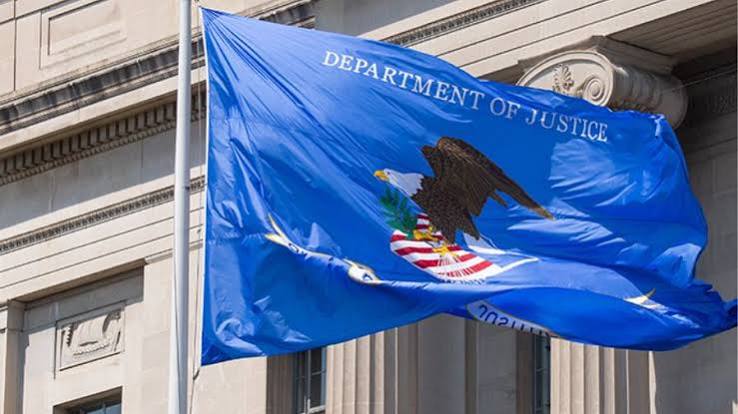
- Growing immigration enforcement scrutiny highlights the intersection of financial crime, identity verification, cross-border transactions and regulatory risk.
The reported inclusion of 157 Nigerians on the United States government’s “Worst of the Worst” immigration enforcement list has brought renewed attention to the compliance risks associated with financial crime, identity fraud and cross-border regulatory enforcement.
The list, published as part of the Trump administration’s intensified immigration crackdown, identifies non-US citizens whom American authorities have targeted for immigration enforcement in connection with criminal cases. The Nigerians identified in the reported listings are associated with offences ranging from wire fraud, mail fraud and money laundering to identity theft, drug-related offences, weapons violations, assault and other crimes.
The development highlights the growing intersection between criminal justice and immigration enforcement, while underscoring the importance of effective anti-money laundering (AML) controls, customer due diligence and fraud prevention in international financial transactions.
However, inclusion on the list does not automatically establish that every individual has been convicted of all offences cited in connection with their case, nor does it mean that every person listed has already been deported.
Financial crime at the centre of compliance concern
Fraud and money laundering feature prominently among the offences associated with Nigerians identified in the latest enforcement disclosures.
Wire fraud and mail fraud can involve deceptive schemes conducted through electronic communications, payment systems or postal services. Money laundering involves concealing the origins of proceeds derived from criminal activity, while identity theft can facilitate fraudulent account openings, unauthorised transactions and the misuse of personal information.
These offences present significant challenges for banks, fintech companies, payment service providers, money transfer operators and other businesses handling cross-border transactions.
Financial institutions are expected to maintain systems capable of identifying customers, monitoring transactions, detecting suspicious activity and escalating potential financial crime in accordance with applicable laws.
The reported cases nevertheless remain individual matters. The presence of multiple Nigerians on an enforcement list does not establish that they belong to a common criminal network or that their cases are connected.
Implications for AML and customer due diligence
The enforcement developments reinforce the importance of risk-based customer due diligence and ongoing transaction monitoring.
Banks and other regulated institutions need reliable procedures for verifying customer identities, assessing beneficial ownership, identifying unusual transaction patterns and investigating potential links to financial crime.
Screening systems must also distinguish between criminal convictions, pending allegations, immigration detention and formal sanctions designations. These categories have different legal consequences and should not be treated as interchangeable.
A person appearing on an immigration enforcement list is not automatically subject to an asset freeze under US sanctions law. Financial institutions must establish whether a separate legal restriction applies before imposing controls that depend on sanctions status.
Where credible concerns emerge, compliance officers are expected to investigate potential matches, document their findings and follow applicable reporting and escalation requirements.
Poorly calibrated screening can create its own risks, including false positives, unjustified account restrictions and reputational damage. Compliance decisions therefore require accurate identification, reliable information and a defensible assessment of the relevant legal obligations.
Deportation does not automatically follow a criminal conviction
Under US law, criminal proceedings and immigration proceedings are separate processes. A non-citizen who completes a prison sentence may still face removal proceedings, depending on the nature of the conviction, immigration status and applicable legal provisions.
However, being named on an enforcement list does not necessarily establish that a deportation order has been issued or that removal has been completed.
The distinction is important for employers, financial institutions and businesses conducting background checks. An allegation, a criminal conviction, immigration detention and a final removal order represent different legal circumstances.
Organisations that rely on enforcement lists should verify the underlying information rather than treat inclusion as conclusive proof of every allegation associated with an individual.
Nigerian businesses face cross-border exposur
For Nigerian banks, fintech operators, exporters, importers and businesses maintaining relationships with American partners, the cases highlight the potential consequences of weak financial controls.
Fraudulent payments, identity misuse, suspicious fund transfers and inadequate customer verification can expose organisations to financial losses, regulatory investigations and reputational damage. Transactions involving US persons, financial institutions or other US-linked operations may also trigger relevant American legal requirements.
Businesses are therefore encouraged to review customer identification procedures, transaction monitoring systems, beneficial ownership checks and internal processes for handling suspicious activity.
Effective compliance also requires staff training, accurate recordkeeping and clear escalation procedures. These measures can help organisations identify risks early and demonstrate that decisions have been made in accordance with established controls
Avoiding nationality-based assumptions
The reported number of Nigerians on the list should not be interpreted as evidence that Nigerians generally present a heightened criminal or financial risk.
Compliance assessments should be based on verified information, transaction behaviour and applicable risk indicators rather than nationality alone. Treating an entire population as suspicious can undermine fair access to financial services and expose businesses to discrimination and legal challenges.
The enforcement campaign also does not replace the need for due process. Each person’s legal status and the evidence supporting the reported offence must be assessed individually.
Compliance implications extend beyond immigration
The reported inclusion of 157 Nigerians illustrates how criminal proceedings, immigration enforcement and financial integrity increasingly intersect across jurisdictions.
For compliance professionals, the priority is to distinguish verified facts from allegations, establish whether relevant legal restrictions apply and respond proportionately to identified risks.
As the United States continues its immigration enforcement campaign, the cases serve as a reminder of the importance of robust anti-money laundering controls, effective identity verification, reliable recordkeeping and legally defensible due diligence.
Ultimately, the effectiveness of a compliance programme depends not on indiscriminate screening, but on accurate information, consistent procedures and evidence-based decisions.







No Comment! Be the first one.