




Nigeria’s LPG Industry Faces a Defining Compliance Test as Safety Takes Centre Stage
As demand for liquefied petroleum gas expands across Nigeria, industry stakeholders are calling for stronger safety standards, better operational controls and greater accountability to ensure that...
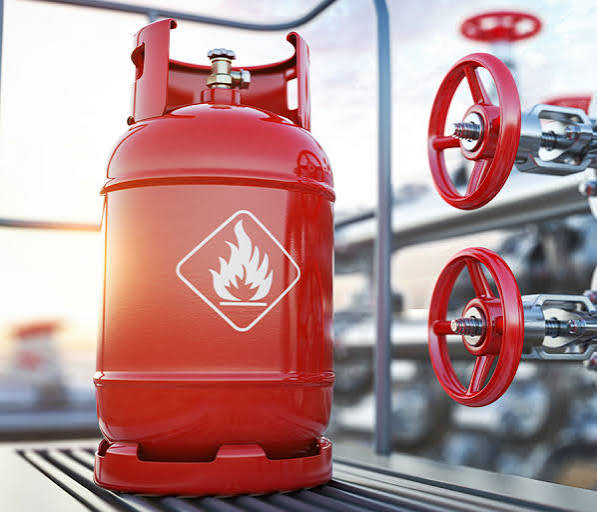
As demand for liquefied petroleum gas expands across Nigeria, industry stakeholders are calling for stronger safety standards, better operational controls and greater accountability to ensure that growth does not come at the expense of public safety.
Nigeria’s growing liquefied petroleum gas (LPG) market is facing an important regulatory challenge: how to expand access to cleaner household energy while ensuring that every stage of the supply chain operates safely, efficiently and in accordance with applicable requirements.
The Nigerian Association of Liquefied Petroleum Gas Marketers (NALPGAM) has renewed its call for stronger safety practices, improved regulatory compliance and wider adoption of digital monitoring systems across the sector. The appeal, made during the association’s 2026 webinar on “Downstream LPG Operational Excellence and Compliance,” reflects a broader concern that the industry’s ambitions must be supported by effective operational controls and a stronger culture of accountability.
With Nigeria targeting annual LPG consumption of approximately five million tonnes by 2030, the stakes extend beyond commercial growth. The sector must demonstrate that its expansion can be achieved without compromising facility safety, the competence of operators, product accountability or the protection of consumers and surrounding communities.
At the heart of this challenge is a fundamental compliance principle: safety cannot be treated as a periodic intervention or a requirement addressed only when regulators conduct inspections. It must be embedded in everyday operations, from product handling and storage to transportation, distribution and retail delivery.
Compliance as an operational responsibility
Speaking at the webinar, NALPGAM National President Edu Inyang emphasised that the future of Nigeria’s LPG industry depends on more than increasing sales volumes. He called for safe, responsible, efficient and sustainable operations, arguing that safety must become a continuous industry culture rather than an occasional campaign.
That position highlights the difference between formal compliance and effective compliance. An operator may possess relevant documentation, but the existence of a licence does not, by itself, demonstrate that equipment is properly maintained, employees are adequately trained or operational procedures are consistently followed.
A credible compliance system requires businesses to translate regulatory requirements into practical controls. Facilities must be maintained in suitable operating condition, personnel must understand the risks associated with LPG, and management must ensure that established procedures are followed throughout the operating cycle.
Preventive maintenance is particularly important because LPG facilities depend on equipment and infrastructure that must remain fit for purpose. Inspection programmes, maintenance records, defect reporting and timely corrective action help operators identify emerging risks before they develop into more serious incidents.
The same principle applies to personnel competence. Workers involved in filling, storage, transportation and handling need appropriate training and a clear understanding of their responsibilities. Safety procedures must also be supported by supervision, incident reporting and emergency preparedness.
From a compliance perspective, the responsibility rests with operators to demonstrate that safety controls work in practice, rather than simply asserting that their businesses comply with applicable standards
Unsafe practices expose weaknesses in enforcement
NALPGAM’s call for stricter compliance also draws attention to unsafe practices that can undermine the integrity of the LPG value chain. Participants at the webinar urged operators to eliminate unauthorised propane blending and illegal decanting, alongside strengthening preventive maintenance and compliance with licensing and incident-reporting requirements.
These concerns point to a wider challenge facing the downstream LPG market: the need to ensure that commercial activity takes place within an appropriately controlled operating environment.
Unauthorised product handling and transfers outside approved procedures can create safety risks while making it more difficult to establish accountability when something goes wrong. Similarly, weak maintenance practices and inadequate records can undermine an operator’s ability to demonstrate that foreseeable hazards have been identified and addressed.
The regulatory response must therefore extend beyond identifying violations after an incident. Effective oversight requires appropriate licensing controls, credible inspections, reliable reporting mechanisms and corrective action when operators fail to meet their obligations.
The Nigerian Midstream and Downstream Petroleum Regulatory Authority (NMDPRA) has a central role in regulating relevant midstream and downstream petroleum activities. Its engagement with gas-processing companies in August 2026 also emphasised compliance with established standards for the processing, handling and distribution of LPG and propane.
For the industry, stronger compliance should be understood as a means of preventing harm and protecting business continuity, not merely avoiding regulatory penalties. Equipment failures, unsafe handling and operational incidents can lead to injuries, property damage, service interruptions and financial losses, affecting both individual businesses and confidence in the wider market.
Digital monitoring and the case for operational transparency
Technology is emerging as another important component of LPG compliance. At its 2026 webinar, NALPGAM identified smart filling systems, automated tank gauges, load cells, flow meters and vehicle-tracking technologies as tools that could reduce product losses, improve accountability and strengthen operational efficiency.
These technologies can help operators improve visibility across their operations by generating more consistent records of product movements, filling activities, inventory levels and transportation.
Digital monitoring can also strengthen internal controls. When readings and transactions are recorded systematically, discrepancies may be easier to identify and investigate. Reliable operational records can support reconciliation, improve management oversight and provide evidence for internal audits or regulatory inspections
However, technology is not a substitute for sound governance. Digital systems must be properly maintained, calibrated where applicable and supported by clear procedures governing access, record retention and the investigation of discrepancies. Operators must also ensure that employees understand how to use the systems and respond appropriately when irregularities are detected
The compliance value of digitalisation ultimately depends on whether information leads to timely corrective action. A monitoring system that identifies a problem but does not trigger investigation, escalation or remediation offers limited protection.
For LPG businesses seeking to improve operational performance, the priority should therefore be to integrate digital tools into a broader control framework that connects monitoring with management accountability, maintenance and incident prevention.
Consumer protection must remain central to industry growth
As Nigeria seeks to expand LPG adoption, consumer protection becomes increasingly important. Households and businesses need confidence that the product they purchase has been handled through appropriate channels and that the facilities supplying it operate safely.
This responsibility extends across the supply chain. Operators must follow applicable requirements, maintain suitable facilities and ensure that personnel handling LPG are competent. Distributors and retailers must also operate within the relevant regulatory framework and avoid practices that expose customers or nearby communities to preventable hazards.
Cylinder traceability and the promotion of certified local manufacturing are additional priorities identified by stakeholders at the NALPGAM webinar.
Improved traceability can help strengthen oversight of cylinders in circulation, while certified manufacturing supports the objective of ensuring that equipment meets relevant quality and safety requirements. These measures become more significant as the market expands and more consumers depend on LPG for household energy.
The association has also called for greater participation by its members in the government’s LPG penetration and cylinder recirculation initiatives, pointing to their nationwide reach and proximity to consumers.
Closer collaboration between regulators, industry associations and operators could help align safety expectations with practical implementation. Such engagement should, however, reinforce rather than replace formal regulatory obligations. Participation in an industry programme cannot be treated as a substitute for meeting the applicable licensing, technical and operational requirements.
Building a culture of accountability
NALPGAM’s aspiration for a “Standard of Operational Excellence” centres on safe and well-maintained facilities, competent and trained operators, compliant processes and custome
The significance of this approach lies in its emphasis on operational behaviour. Safety standards are most effective when they shape routine decisions, management priorities and the way employees carry out their responsibilities.
For operators, this means establishing clear accountability for safety performance, maintaining appropriate records, investigating incidents and near misses, and ensuring that corrective actions are completed. Management must also provide the resources needed to maintain equipment, train personnel and implement appropriate controls.
For regulators, the challenge is to ensure that requirements are clearly communicated and consistently enforced. Effective oversight depends on credible monitoring, proportionate enforcement and meaningful consequences for persistent non-compliance. It also requires sufficient engagement with industry participants to identify implementation difficulties without weakening safety expectations.
Industry associations can support this process through training, awareness initiatives and engagement with members, but the ultimate responsibility for compliant operations remains with each operator within the scope of its obligations.
The road to sustainable LPG expansion
Nigeria’s ambition to increase LPG consumption presents an opportunity to widen access to household energy and strengthen the commercial ecosystem supporting its distribution. Achieving that ambition sustainably, however, requires confidence that the market can grow without exposing workers, consumers and surrounding communities to unnecessary risks.
NALPGAM’s call for stricter safety compliance reflects a recognition that operational discipline, digital monitoring and effective regulatory engagement must develop alongside market expansion. The real measure of progress will be whether these commitments translate into safer facilities, better-trained personnel, more transparent operations and consistent adherence to applicable requirements.
Ultimately, compliance should not be viewed as an obstacle to the growth of Nigeria’s LPG industry. It is one of the conditions that makes sustainable growth possible. A market built on preventive maintenance, competent operators, reliable controls and consumer protection will be better positioned to attract investment, reduce operational losses and maintain public confidence.
As the country pursues its LPG expansion targets, the defining test will be whether the industry can turn its commitment to operational excellence into a measurable and enduring culture of safety.





No Comment! Be the first one.