





Trump Pauses New Russia Sanctions, Giving Washington 60 Days to Assess Economic Impact
US President Donald Trump has temporarily waived key Russia-related sanctions and tariffs shortly before they were due to take effect, opening a new period of uncertainty for global energy markets,...
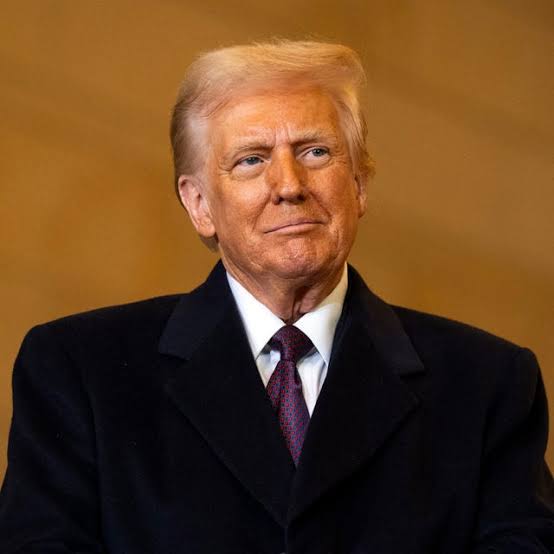
US President Donald Trump has temporarily waived key Russia-related sanctions and tariffs shortly before they were due to take effect, opening a new period of uncertainty for global energy markets, international trade and sanctions compliance teams.
Secretary of State Marco Rubio said the administration would use up to 60 days to assess the economic consequences of imposing the measures, which were designed to increase pressure on Moscow over its war against Ukraine. The decision has drawn criticism from Ukrainian officials and lawmakers in Washington
A pause in planned economic pressure
Trump signed an executive order on October 16 waiving key measures under the recently enacted Lindsey O. Graham Sanctioning Russia and Iran Act of 2026. The legislation had envisaged additional penalties targeting Russian exports and countries purchasing Russian oil and gas.
The proposed measures included tariffs of up to 100% on certain goods imported from major purchasers of Russian energy, subject to the law’s conditions. The legislation was intended to increase the economic costs of Russia’s continued war in Ukraine.
The president’s executive order invoked the national-interest rationale for waiving the measures. Rubio subsequently said the administration needed more time to assess the potential effects on the US and global economies.
Trump has not announced a final decision on whether the measures will ultimately be implemented. The precise duration and legal scope of the waiver therefore remain important considerations for businesses exposed to Russia-related transactions.
Energy security adds to the uncertainty
The decision comes amid significant disruption to international energy markets and pressure on fuel prices.
The Trump administration has also defended a separate arrangement involving additional Russian diesel supplies. US officials argue that increased availability could benefit consumers and global energy markets, while critics contend that purchases of Russian fuel could generate revenue for Moscow.
The administration’s position reflects the challenge of balancing economic pressure on Russia with domestic fuel costs and wider energy-security concerns.
The waiver has prompted criticism from Ukrainian President Volodymyr Zelenskyy, who warned that easing pressure could encourage Moscow to continue its military campaign. Members of Congress from both parties have also questioned the decision and called for stronger enforcement of measures intended to constrain Russian revenue.
Implications for Global Sanctions Compliance
For banks, payment service providers, energy traders, insurers and multinational companies, the reported waiver highlights the importance of distinguishing changes to proposed measures from restrictions that remain legally effective.
A temporary waiver does not automatically suspend existing sanctions, asset-freezing requirements, export controls or other restrictions applicable to Russian entities and transactions. Businesses must therefore establish the precise legal scope of anychange before modifying their compliance procedures or authorising transactions that were previously restricted.
Financial institutions should continue to assess customer identities, beneficial ownership, counterparties, intermediaries and relevant shipping arrangements. Particular attention is warranted for transactions involving Russian oil and gas, third-country purchasers, maritime transport and complex payment structures that could conceal the underlying parties or economic purpose of a transaction.
The developments also underline the importance of monitoring official regulatory announcements. Political statements and media reports can indicate a change in policy, but the legal consequences depend on the relevant executive orders, statutory provisions, licences and implementing notices.
The US Treasury’s Office of Foreign Assets Control remains a central source for determining applicable US sanctions requirements. Companies operating internationally must also consider the independent restrictions imposed by the United Kingdom, the European Union and other relevant jurisdictions.
What Comes Next?
The administration’s review period is likely to attract close attention from compliance professionals and businesses with exposure to Russian energy and international trade. A subsequent decision to implement the proposed measures could introduce additional costs and compliance obligations for companies trading with countries that purchase Russian energy. A continued waiver, however, would not necessarily eliminate the restrictions already in force.
For compliance officers, the immediate priority is to maintain existing controls, verify the precise scope of the reported waiver and prepare for further regulatory changes. The coming weeks could provide greater clarity on Washington’s approach, but businesses should avoid treating the announcement as a blanket suspension of Russia-related sanctions.
The episode illustrates a broader challenge for global compliance programmes: geopolitical decisions can change quickly, while the legal and operational consequences depend on the details of the applicable instruments. Maintaining accurate regulatory intelligence, documenting transaction decisions and updating internal guidance will remain essential as the situation develops.






No Comment! Be the first one.