





Kenya Sets Out Ebola Isolation Rules and Penalties After First Confirmed Case
Kenya has introduced new regulations outlining measures to prevent and control Ebola, including isolation and quarantine enforcement, public awareness and penalties for violations, following the...
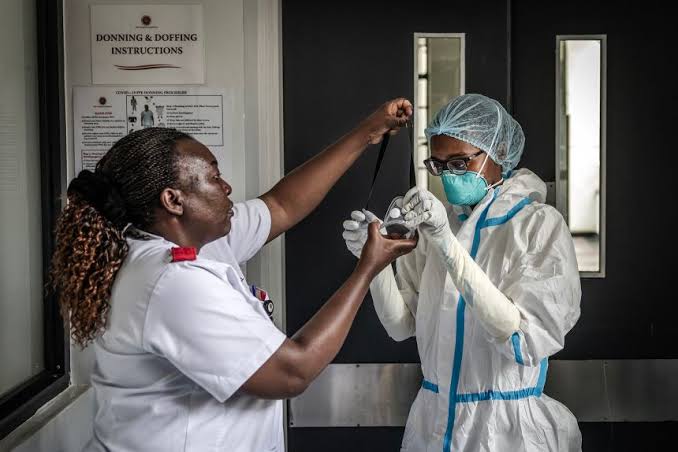
Kenya has introduced new regulations outlining measures to prevent and control Ebola, including isolation and quarantine enforcement, public awareness and penalties for violations, following the country’s first confirmed case of the disease this year.
Health Cabinet Secretary Aden Duale published the Subsidiary Legislation, 2026, on Monday, setting out requirements for disease prevention, detection, reporting and enforcement.
The regulations come days after Kenya confirmed its first Ebola case of 2026 on October 6. The patient, who had travelled by road from the Democratic Republic of Congo to Kampala before flying to Nairobi, was admitted to The Nairobi Hospital’s East Wing isolation facility, where he later died.
Under the new rules, the Health Cabinet Secretary is required to work with media organisations and other stakeholders to provide timely, accurate and accessible information on Ebola prevention, detection and reporting. The regulations also encourage community engagement to combat stigma and promote public participation in disease awareness.
The legislation provides for the National Police Service to assist medical officers of health in enforcing lawful isolation, quarantine and other public health orders.
Anyone who leaves isolation or quarantine in violation of a lawful order may be apprehended and returned under legal authority, with medical supervision and appropriate infection prevention and control measures.
The rules also establish offences for failing, without reasonable excuse, to comply with lawful requirements relating to screening, notification, investigations, contact tracing, isolation, quarantine, decontamination and safe burial.
Knowingly providing false or misleading information required under the regulations is also an offence. Those found guilty face penalties under Section 164 of the relevant Act.
The regulations combine public education with enforcement measures, emphasising compliance with lawful public health orders and accountability for specified violations.
However, the publication of the rules does not establish that any particular individual has committed an offence or that enforcement action has been taken.
As Kenya responds to its first confirmed Ebola case of 2026, the government’s framework places emphasis on accurate public information, lawful enforcement and adherence to disease-control measures.





No Comment! Be the first one.