





Pentagon Tightens Military Engagement with Canada as Trump Administration Deepens Strain Between Longstanding Allies
Classified directive reportedly issued by Defence Secretary Pete Hegseth raises questions about defence cooperation, geopolitical risk and the resilience of cross-border security arrangements. The...
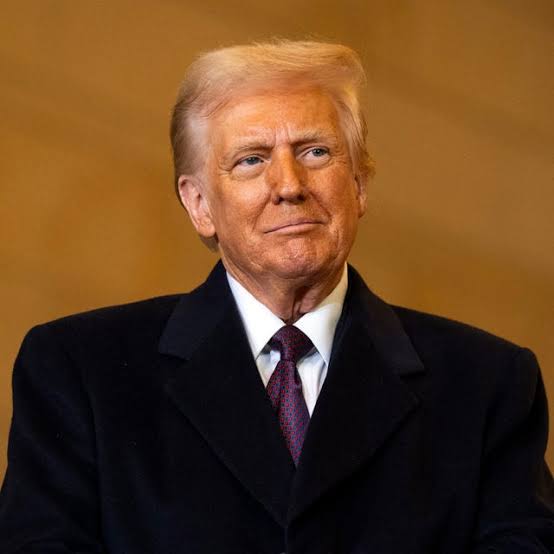
Classified directive reportedly issued by Defence Secretary Pete Hegseth raises questions about defence cooperation, geopolitical risk and the resilience of cross-border security arrangements.
The United States Pentagon has reportedly introduced new restrictions on military engagement with Canada, signalling another escalation in diplomatic tensions between the longstanding allies under President Donald Trump.
US Defence Secretary Pete Hegseth reportedly issued the directive in a classified memorandum circulated the previous week, according to a November 20 report by The Washington Post, citing officials familiar with the decision. The newspaper said it had not independently reviewed the memorandum, leaving the precise scope of the restrictions unclear.
Pentagon spokesman Sean Parnell confirmed that the department was reviewing its engagements with Canada to ensure they advanced American defence priorities.
He maintained, however, that the directive would not affect defence intelligence cooperation, the North American Aerospace Defense Command (NORAD) or military cooperation through NATO.
According to Republican Senator Mike Rounds, the guidance appears primarily directed at informal military engagements, including conferences, academic events and social interactions between American and Canadian military personnel. He suggested that some activities could require additional permission, although the practical implications remain uncertain.
Canadian Defence Minister David McGuinty said he had not seen the memorandum and maintained that military cooperation between both countries remained business as usual. He pointed to continuing collaboration on continental defence, missile systems and counter-narcotics operations.
The development comes amid worsening bilateral relations following Trump’s repeated suggestions that Canada could become America’s 51st state, trade tariffs imposed on Canadian goods and Washington’s criticism of Canada’s defence spending.
For compliance and risk professionals, the development raises important questions about geopolitical risk, defence procurement, cross-border information sharing and third-party exposure.
Companies operating across the US-Canadian defence supply chain may need to reassess contractual obligations, government relationships, export-control requirements and continuity arrangements should military cooperation become more restricted.
It also highlights the importance of geopolitical scenario planning for organisations dependent on cross-border defence contracts, sensitive technology and government-linked supply chains.
The immediate concern is not necessarily a breakdown of the US-Canada security relationship, but the possibility that political tensions could progressively reshape the operational environment in which businesses, contractors and defence institutions operate.
The full implications will depend on the contents and implementation of the reported directive.






No Comment! Be the first one.