





Nigeria’s Phone Crackdown: Protecting Networks Without Pricing Out Everyday Users
As Nigeria tightens enforcement of mobile device verification requirements, the real compliance challenge lies in balancing network integrity with consumer protection, regulatory transparency and...
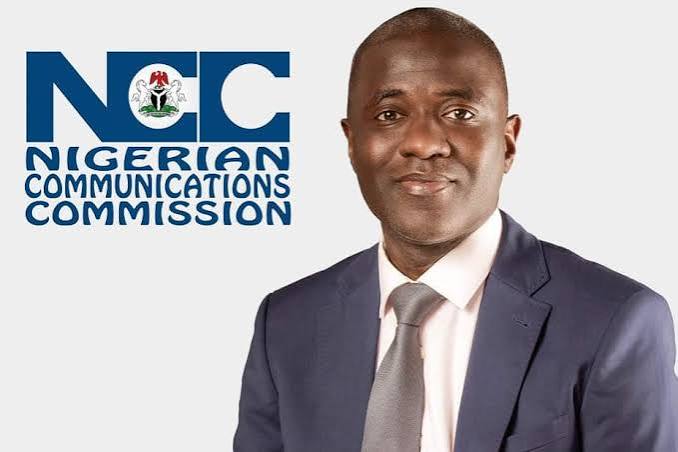
As Nigeria tightens enforcement of mobile device verification requirements, the real compliance challenge lies in balancing network integrity with consumer protection, regulatory transparency and digital inclusion.
Nigeria’s renewed effort to regulate mobile devices connected to its telecommunications networks is raising an important question about the relationship between regulatory enforcement and consumer rights. While the Nigerian Communications Commission (NCC) seeks to curb counterfeit devices, address cloned identifiers and strengthen network integrity, the implementation of its device-verification framework also brings the cost and complexity of compliance into sharper focus for ordinary users.
The issue extends beyond whether the regulator has the authority to enforce existing requirements. It concerns how those requirements are implemented, who bears responsibility when compliance fails, and whether consumers have adequate protection against unnecessary restrictions on devices they have legitimately purchased.
At the centre of the debate is the NCC’s Device Checker initiative and the enforcement of its Type Approval Compliance Framework, which took effect on 7 October 2026. The initiative is intended to improve the identification of devices that do not satisfy applicable regulatory requirements and prevent non-compliant equipment from undermining telecommunications networks. Its implementation, however, will ultimately be judged not only by its ability to identify problematic devices but also by the fairness, transparency and reliability of the processes through which enforcement decisions are made.
From regulatory obligation to practical enforcement
Nigeria’s telecommunications regulatory framework provides a basis for controlling the equipment connected to its networks. The Nigerian Communications Act 2003, the Nigerian Communications (Type Approval) Regulations 2024 and the Type Approval Business Rules 2024 establish the broader context within which the NCC exercises its responsibilities over telecommunications equipment.
Type approval is an important component of telecommunications compliance. It helps ensure that equipment meets relevant technical and regulatory requirements before being introduced into the market or connected to public networks. Effective implementation can help address risks associated with unsuitable equipment, fraudulent device identifiers and products that have not undergone the necessary regulatory assessment.
The compliance challenge emerges when these requirements move from regulatory policy into day-to-day enforcement. A verification system must be capable of distinguishing genuine non-compliance from incomplete records, administrative errors and other circumstances in which a legitimate device cannot immediately be verified.
The NCC has made its Device Checker available through the USSD code *315# and its official online portal, giving users a means of checking their device status. The Commission has also stated that devices already connected to Nigerian mobile networks before the framework took effect were automatically verified.
These measures provide a mechanism for checking compliance, but a failed verification result should not automatically be interpreted as evidence that a device is counterfeit or that its owner has violated the law. The distinction matters because different verification outcomes may require different responses. A cloned IMEI, a device lacking the necessary approval and a genuine device with incomplete verification records are not necessarily the same compliance problem.
A credible enforcement framework must recognise these differences and ensure that its responses reflect the nature and severity of the issue identified.
Who should bear the burden of compliance?
One of the most important questions concerns the allocation of responsibility across the mobile-device supply chain. Manufacturers, importers, distributors and retailers occupy different positions in the process through which devices enter the Nigerian market, and their respective compliance obligations should be clearly understood.
Businesses that import or supply telecommunications equipment are generally better positioned than individual consumers to obtain regulatory documentation, verify product status and establish whether the appropriate approvals have been secured. Retailers, in particular, influence the consumer’s ability to purchase a compliant device by determining which products they stock and how those products are represented at the point of sale.
This makes pre-sale compliance a central part of effective enforcement. Where a device has been purchased from a legitimate retailer, consumers should not automatically be expected to resolve regulatory failures that originated with an importer, distributor or supplier.
The distinction is especially important in a market where consumers may have limited visibility into the formal supply chain. Most buyers do not have access to import documentation or the technical resources required to independently establish the regulatory status of every device they purchase.
The NCC’s published guidance makes clear that consumers purchasing devices from Nigerian retailers are not generally expected to obtain Type Approval themselves. A compliance framework should preserve that distinction in practice, ensuring that obligations are enforced against the appropriate commercial actors while providing consumers with a straightforward means of checking device status and seeking assistance when problems arise.
For the policy to be effective, compliance cannot simply mean transferring the consequences of a supply-chain failure to the person holding the phone.
The challenge of imported devices and the grey market
The treatment of devices purchased outside Nigeria presents a more complicated compliance question. International purchases, independent retailers and informal distribution channels can create uncertainty about whether a device has satisfied the applicable Nigerian requirements, even when the device itself is genuine.
A genuine device may require additional verification before it can be used on a Nigerian network. Conversely, a device that appears authentic may have an altered or duplicated IMEI. These scenarios illustrate why device authenticity, technical conformity and verification status should not be treated as interchangeable concepts.
The NCC’s guidance indicates that devices purchased abroad may be used on Nigerian networks when the relevant Type Approval and verification requirements are satisfied. It also describes a separate procedure for certain devices brought into the country for personal use.
For consumers, however, the practical experience depends on how accessible those procedures are. Unclear documentation requirements, uncertain processing times or unexpected charges can make compliance difficult, particularly for individuals who purchase a phone overseas without understanding the applicable rules.
The article’s references to registration charges circulating in the market should therefore be treated cautiously until the relevant amounts are confirmed by the regulator. Any applicable fees should be supported by an official schedule and accompanied by clear information about what the charges cover and which categories of users are required to pay them.
Regulatory clarity is not merely an administrative convenience. It helps consumers make informed purchasing decisions, gives legitimate businesses a more predictable operating environment and reduces the risk that uncertainty will create opportunities for exploitation.
Why Consumer protection must extend beyond notification
A device-verification framework is only as fair as the procedures available to people whose devices are flagged. Notifications warning users about potential network restrictions may encourage compliance, but notification alone does not resolve the underlying issue when a device has been incorrectly classified or its status cannot be established.
The NCC’s published guidance distinguishes an unsuccessful verification result from a confirmed counterfeit device. That distinction should be reflected in the enforcement process, particularly where a restriction could deprive someone of an essential means of communication.
A consumer who receives a verification warning should be able to understand the reason for it, the action required and the consequences of failing to resolve the issue. Where the device is genuine but the verification system cannot establish its status, the consumer should also have access to an effective procedure for requesting a review.
The reported 30-day cumulative allowance for certain unverified devices brought into Nigeria for personal use requires equally careful explanation. Its application should be communicated in terms that make clear which devices qualify, when the period begins and what happens when verification remains unresolved. Consumers should not be left to infer their obligations from fragmented announcements or inconsistent interpretations.
Procedural fairness is particularly important where the potential consequence is loss of network access. Mobile phones are essential tools for banking, work, education, business transactions and access to public services. A restriction imposed in error can therefore create consequences far beyond the inconvenience of replacing or checking a device.
Effective enforcement should combine clear notification with accessible support, timely review and a proportionate response to the circumstances involved.
Device verification and data protection
The use of device identifiers also raises questions about information governance. The NCC’s Device Checker relies on information such as the International Mobile Equipment Identity, commonly known as the IMEI, to support verification. The Commission has stated that the system does not give it access to users’ personal files, messages, photographs or the contents of their communications. It has also stated that the checker does not track users’ physical locations or movements.
Those assurances address concerns about access to personal content, but a broader compliance assessment must also consider how device-related information is collected, processed, accessed and retained.
Where device identifiers are associated with mobile numbers or other information relating to identifiable individuals, the relevant processing should be assessed against applicable Nigerian data-protection requirements, including the Nigeria Data Protection Act 2023 where relevant.
Transparency about the purpose of processing, authorised access, security safeguards and retention arrangements can help establish public confidence in the system. Users should also understand how inaccurate information can be corrected and where they can raise concerns about the handling of their data
The objective should be to ensure that the information necessary for legitimate regulatory enforcement is processed responsibly, without creating uncertainty about the boundaries of the system or the safeguards available to individuals.
Enforcement must not undermine digital inclusion
The central policy tension is whether the framework can strengthen telecommunications compliance without imposing disproportionate costs on legitimate users. The exclusion of counterfeit or materially non-compliant equipment may support network integrity and consumer safety, but an enforcement mechanism that incorrectly flags genuine devices risks undermining those same objectives
The impact may be particularly significant for consumers who rely on older phones, lower-cost devices or equipment purchased through informal channels. Where verification procedures are difficult to navigate or the cost of resolving a problem is unclear, the burden may fall most heavily on people with the fewest alternatives.
This does not mean regulatory requirements should be relaxed simply because compliance may involve inconvenience. It means that enforcement should be designed around evidence, proportionality and practical accessibility.
The NCC could strengthen confidence in the framework by publishing aggregate information about verification outcomes, confirmed compliance failures, complaints, resolution times and cases in which restrictions were reversed. Such reporting would help distinguish genuine enforcement successes from administrative problems and provide a clearer basis for assessing whether the system is achieving its objectives.
It would also encourage accountability across the supply chain. Importers, distributors and retailers would have stronger incentives to establish compliance before devices reach consumers, while the regulator would be better positioned to identify weaknesses in its verification processes.
A compliance framework that earns public trust
Nigeria’s device-verification initiative reflects a legitimate regulatory objective: ensuring that telecommunications equipment meets applicable requirements and that non-compliant devices do not compromise the integrity of public networks. The success of that objective, however, depends on more than the existence of a legal framework or the availability of a verification tool.
It depends on whether businesses understand and fulfil their obligations, whether consumers can establish the status of devices before purchase, whether errors can be corrected promptly and whether enforcement decisions are transparent and proportionate.
The NCC should therefore prioritise clear public guidance, consistent implementation, accessible dispute resolution and transparent communication about applicable fees and procedures. Industry participants, in turn, should strengthen pre-sale verification and ensure that regulatory compliance is treated as a responsibility of the supply chain rather than an afterthought left to the consumer.
The wider lesson is that effective regulation and consumer protection are not competing objectives. A system that reliably identifies genuine non-compliance while providing fair remedies for legitimate users is more likely to achieve lasting public confidence than one measured primarily by the number of devices flagged or restricted.
Ultimately, Nigeria’s phone crackdown should be judged by whether it can protect telecommunications networks without unnecessarily excluding people from them. The strongest compliance framework will be one that demonstrates not only that the rules are being enforced, but that they are being enforced accurately, fairly and with due regard for the people whose everyday lives depend on mobile connectivity.







No Comment! Be the first one.