





UN Security Council Extends Central African Republic Sanctions Regime Under Resolution 2827
The United Nations Security Council (UNSC) has unanimously adopted Resolution 2827 (2026), extending the sanctions regime targeting non-state armed groups and designated individuals in the Central...
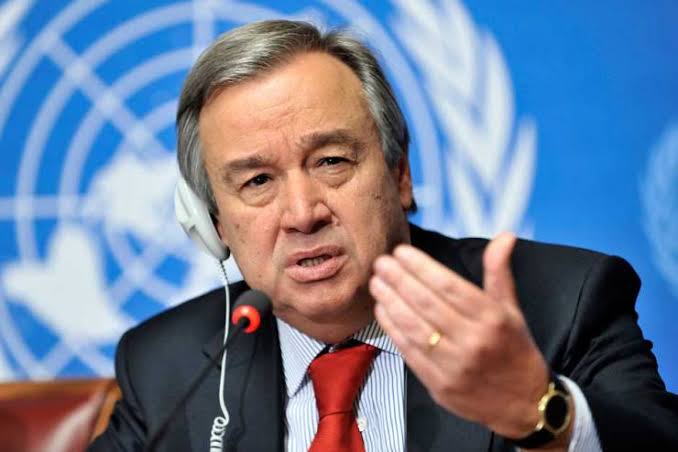
The United Nations Security Council (UNSC) has unanimously adopted Resolution 2827 (2026), extending the sanctions regime targeting non-state armed groups and designated individuals in the Central African Republic (CAR) for a further year. The resolution renews key measures, including the arms embargo, asset freezes and targeted sanctions, reaffirming the Security Council’s commitment to supporting peace, security and stability in the conflict-affected country.
The renewed measures are intended to restrict the ability of armed groups to acquire weapons, finance military activities and undermine the country’s peace and reconciliation process. The sanctions regime continues to target individuals and entities involved in armed conflict, human rights abuses, attacks against civilians and actions that threaten the sovereignty and stability of the Central African Republic.
The unanimous adoption of Resolution 2827 demonstrates continued international consensus on the importance of targeted sanctions as a tool for addressing conflict financing and promoting regional security. The resolution also maintains the mandate of the relevant UN Sanctions Committee and Panel of Experts, which oversee implementation, investigate sanctions violations and provide recommendations to improve enforcement.
For compliance professionals, the extension reinforces the ongoing obligation to screen customers, counterparties and beneficial owners against both United Nations and domestic sanctions lists. While UN sanctions are binding on all UN Member States, implementation varies across jurisdictions, with many countries incorporating UN designations into their national sanctions frameworks. Organisations operating internationally should therefore ensure that sanctions compliance programmes capture both UN and jurisdiction-specific measures.
The continued renewal of the CAR sanctions regime also highlights the growing intersection between sanctions compliance, anti-money laundering (AML) and counter-terrorist financing (CTF). Financial institutions, humanitarian organisations, insurers, logistics providers and companies operating in or near conflict-affected regions face heightened expectations to identify transactions that may involve designated persons or contribute to the financing of armed groups.
Businesses engaged in mining, natural resources, transport and security services should be particularly vigilant, as conflict minerals, illicit trade and informal supply chains remain recognised sources of revenue for armed groups operating within the region. Enhanced due diligence, supply chain transparency and robust beneficial ownership verification are increasingly essential components of compliance frameworks for organisations with exposure to high-risk jurisdictions.
The extension of the sanctions regime also serves as a reminder that UN sanctions remain a cornerstone of the global financial crime framework. Although public attention often focuses on unilateral sanctions imposed by jurisdictions such as the United States, the European Union or the United Kingdom, UN measures continue to establish internationally recognised minimum compliance standards that multinational organisations cannot afford to overlook.
Compliance Takeaway
Organisations should confirm that sanctions screening systems incorporate the latest UN Security Council designations and any corresponding domestic implementation measures. Firms with operations, customers or supply chains linked to conflict-affected regions should strengthen enhanced due diligence, beneficial ownership verification and transaction monitoring to mitigate exposure to sanctioned individuals, armed groups and conflict financing risks. Regular screening updates and documented governance remain essential to demonstrating compliance during regulatory examinations.
Editor’s Insight
The renewal of the Central African Republic sanctions regime highlights the enduring role of multilateral sanctions in combating conflict financing and protecting international peace and security. While unilateral sanctions programmes often dominate compliance discussions, UN sanctions continue to provide the global baseline for financial institutions and multinational businesses. As geopolitical instability persists, organisations should ensure that their sanctions frameworks integrate UN, regional and national sanctions regimes into a single, risk-based compliance programme capable of identifying evolving threats across complex international supply chains.





No Comment! Be the first one.