





EU Tightens Energy Sanctions with New Refinery Transaction Bans and Expanded Oil Trade Restrictions
The European Union has strengthened its energy sanctions regime by introducing new transaction bans targeting refineries processing Russian crude oil, including the Kulevi Oil Refinery in Georgia,...
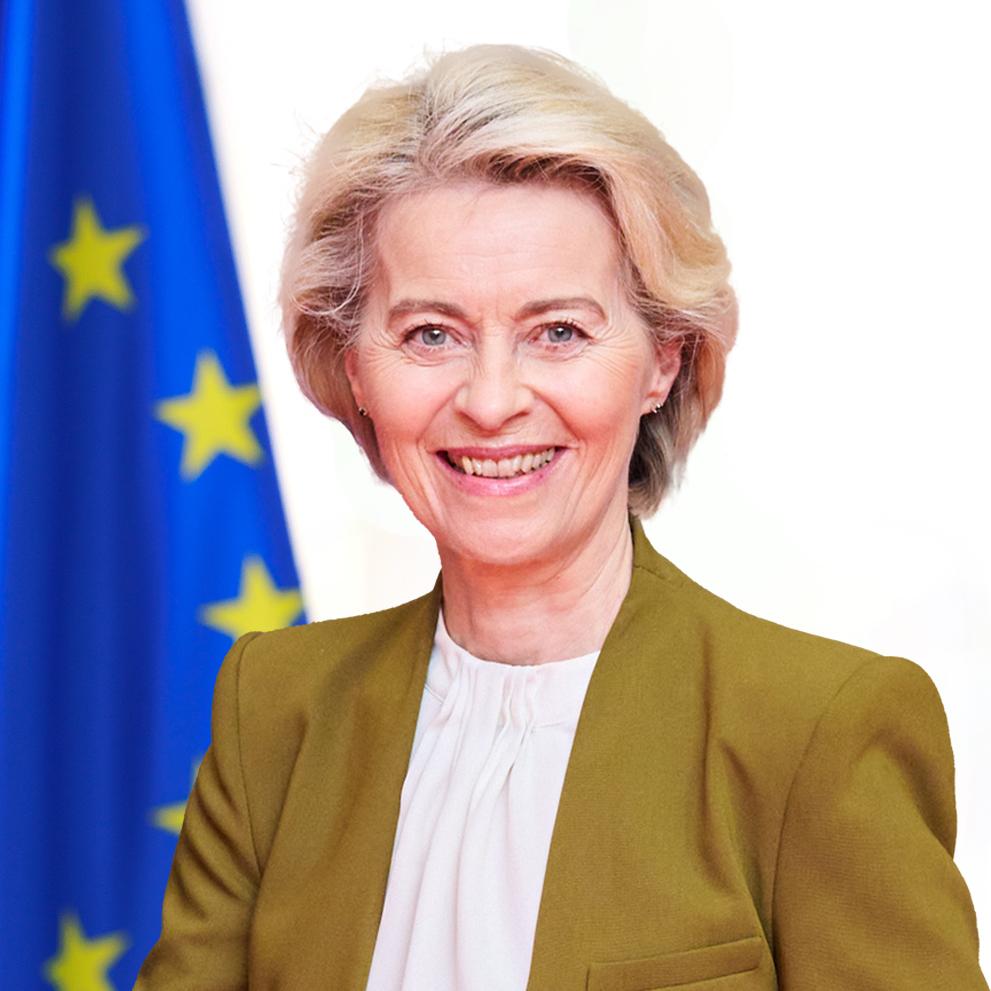
The European Union has strengthened its energy sanctions regime by introducing new transaction bans targeting refineries processing Russian crude oil, including the Kulevi Oil Refinery in Georgia, while extending restrictions to five non-Russian oil traders accused of facilitating sanctions circumvention. The measures form part of the EU’s latest sanctions package designed to further reduce Russia’s energy revenues and close enforcement gaps in global oil trading.
Alongside the expanded transaction restrictions, the EU confirmed that an adjusted Russian crude oil price cap will apply from 15 August 2026, following amendments to the implementation timetable under the existing price cap mechanism. The revised framework is intended to preserve pressure on Russian oil revenues while allowing policymakers additional flexibility to respond to changing market conditions.
The sanctions package represents another step in the EU’s strategy to target entities outside Russia that facilitate the processing, transport or trading of Russian-origin crude. For the first time, the EU has imposed a transaction ban on a refinery located in a third country on the basis that it processes Russian crude oil and may contribute to sanctions circumvention. The restriction affecting the Kulevi refinery will take effect after a six-month transition period, allowing time for the operator to demonstrate a shift away from Russian crude supplies.
In parallel, five oil trading companies operating outside Russia have been added to the transaction ban list for allegedly facilitating the purchase and movement of Russian crude oil in ways that undermine existing sanctions. The measures reinforce the EU’s increasing focus on intermediaries, traders and logistics providers that enable complex cross-border trading structures designed to obscure the origin of sanctioned commodities.
The latest restrictions also align with the EU’s longer-term objective of eliminating the remaining imports of Russian oil into the European market. While direct imports have fallen significantly since 2022, policymakers continue to address indirect supply routes involving third-country processing, blending and re-exporting of petroleum products. Closing these loopholes has become a central element of the EU’s sanctions enforcement strategy.
For compliance professionals, the measures demonstrate the continuing expansion of sanctions beyond traditional jurisdictional boundaries. Increasingly, regulators are targeting third-country entities that facilitate sanctions evasion, irrespective of where they are located. This raises the compliance burden for financial institutions, commodity traders, insurers, shipping companies and multinational businesses involved in cross-border energy transactions.
The evolving framework also highlights the growing importance of supply chain transparency. Organisations dealing in crude oil, refined petroleum products or energy-related commodities will need enhanced due diligence procedures capable of identifying indirect exposure to Russian-origin products, including through complex ownership structures, blending operations and intermediary traders.
Compliance Takeaway
Compliance teams should review sanctions screening and third-party due diligence processes to identify exposure to newly designated refineries, commodity traders and associated counterparties. Businesses operating in the energy, shipping, commodities, banking and insurance sectors should strengthen controls around origin verification, beneficial ownership, trade documentation and transaction monitoring. Particular attention should be given to indirect supply chains where Russian-origin crude may be processed or blended outside Russia before entering international markets.
Editor’s Insight
The EU’s latest measures illustrate a clear evolution in sanctions policy—from targeting Russian entities alone to disrupting the wider commercial ecosystem that enables sanctions circumvention. By extending transaction bans to refineries and oil traders in third countries, regulators are signalling that geographical distance from Russia offers little protection where commercial activities support restricted trade. For compliance leaders, sanctions risk is increasingly becoming a supply chain governance issue rather than simply a screening exercise. Organisations that can demonstrate end-to-end visibility across counterparties, intermediaries and commodity flows will be better positioned to withstand heightened regulatory scrutiny.





No Comment! Be the first one.