




UK, US and EU Tighten Sanctions Pressure on Russia as Regimes Diverge
The UK, United States and European Union have introduced a fresh wave of sanctions and compliance measures targeting Russia, its financial networks and entities supporting the country’s war economy,...
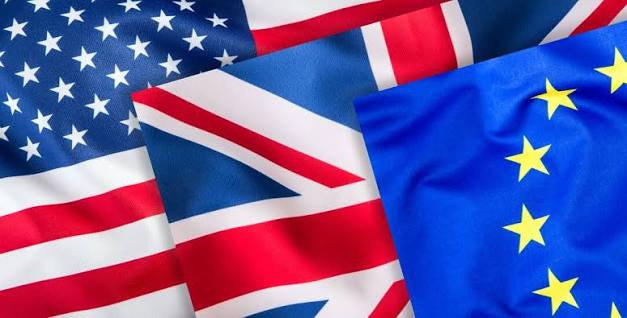
The UK, United States and European Union have introduced a fresh wave of sanctions and compliance measures targeting Russia, its financial networks and entities supporting the country’s war economy, while differences between Western sanctions regimes are becoming increasingly significant for international businesses.
A sanctions update published by BCL on 17 August 2026 highlights the latest developments across the three jurisdictions, including new UK measures targeting Russian banks, shadow fleet tankers and companies supporting Russia’s war economy.
The UK has also issued new guidance concerning sanctions on banknotes, while the Office of Financial Sanctions Implementation continues to amend general licences governing activities that would otherwise be restricted under the UK sanctions regime.
The developing divergence between the UK, EU and US approaches is becoming an increasingly important compliance issue. Although the three jurisdictions maintain broadly aligned pressure on Russia, their sanctions regimes operate through separate legal frameworks, with differences emerging in designations, licensing, enforcement and the scope of prohibited activity.
The United States has meanwhile introduced new sanctions legislation alongside fresh Office of Foreign Assets Control designations and enforcement activity. The EU has also adopted measures targeting individuals accused of supporting Russia’s military industrial complex.
For multinational companies, the developments reinforce the need to avoid treating UK, EU and US sanctions lists as interchangeable. A counterparty that is not designated under one regime may nevertheless be subject to restrictions under another, depending on the transaction, parties involved, jurisdictional connections and applicable legislation.
The expanding sanctions landscape also increases the importance of screening indirect exposure. Businesses need to consider beneficial ownership, intermediaries, shipping relationships, financial institutions, supply chains and potential links to Russia’s shadow fleet and military industrial networks.
The latest measures come as enforcement authorities place greater emphasis on sanctions evasion and circumvention. Companies operating internationally therefore face not only the risk of dealing directly with designated parties, but also scrutiny over transactions structured to bypass restrictions.
For compliance teams, the practical challenge is keeping sanctions controls dynamic. Customer and counterparty screening, transaction monitoring, export controls, ownership analysis and licensing assessments need to reflect changes across each relevant jurisdiction rather than relying on a single consolidated list.
The BCL update underscores a broader shift in sanctions compliance. The question for international businesses is increasingly not simply whether a transaction is sanctioned, but which jurisdiction’s sanctions regime applies, what restrictions it creates and whether another regime imposes additional obligations.
Compliance impact: Companies with Russia exposure should conduct jurisdiction-specific sanctions assessments, reconcile UK, US and EU lists, review indirect ownership and supply-chain risks, and ensure transaction controls reflect the latest licensing and enforcement developments.





No Comment! Be the first one.