




Canada Sanctions Streit Group Over Russia Military Supply Links
Canada has added Streit Group to its Russia sanctions regime, targeting the armoured vehicle manufacturer over allegations that equipment produced by the company has been used by Russia’s National...
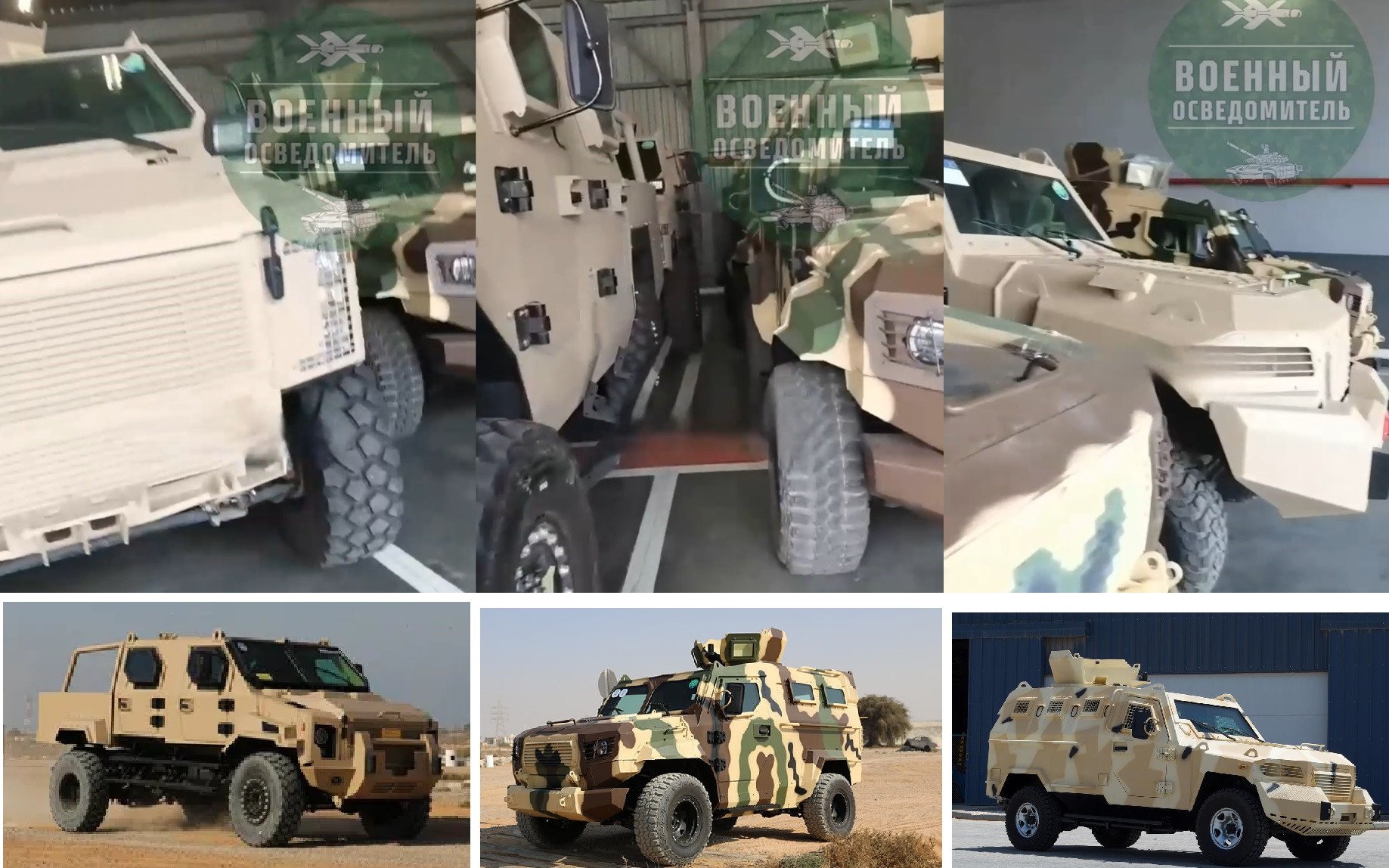
Canada has added Streit Group to its Russia sanctions regime, targeting the armoured vehicle manufacturer over allegations that equipment produced by the company has been used by Russia’s National Guard in the war against Ukraine.
The measure was announced by Foreign Affairs Minister Anita Anand under Canada’s Special Economic Measures (Russia) Regulations. Global Affairs Canada said the decision followed multiple credible reports indicating that Streit Group manufactured armoured vehicles used by Rosgvardia, which is involved in Russia’s military operations in Ukraine.
Streit Group is an armoured vehicle and defence equipment manufacturer based in the United Arab Emirates. Canadian authorities said the company has previously supplied defence products to Russian entities and that the new sanctions are intended to restrict its ability to provide military technology and equipment to Russia.
The designation adds another layer to the international sanctions pressure surrounding companies that supply equipment to Russia’s military-industrial ecosystem. The European Union and Switzerland have previously imposed sanctions on Streit Group, while Ukraine designated the company in 2023.
For financial institutions, exporters, insurers, logistics companies and other businesses exposed to defence-related supply chains, the designation creates an immediate sanctions screening issue. Existing customer and counterparty databases should be reviewed for direct or indirect relationships with Streit Group, including ownership structures, distributors, suppliers and intermediaries.
The development also reinforces the importance of screening beyond a company’s country of incorporation. A UAE-based entity can become a sanctions risk for businesses operating in Canada or dealing with Canadian financial and commercial channels where the entity has been designated under Canadian law.
Compliance teams should also examine historical transactions and trade relationships where appropriate, particularly where armoured vehicles, military technology, components or other controlled goods may have moved through intermediaries to Russia.
The case demonstrates the increasing focus of sanctions authorities on third-country suppliers and procurement networks that can support Russia’s military capabilities. Companies that continue to rely solely on domestic sanctions lists may therefore face material blind spots as jurisdictions increasingly coordinate measures against Russia-linked supply chains.
Compliance impact: Canadian-regulated businesses and companies with exposure to Canadian counterparties should update sanctions screening controls, review existing relationships involving Streit Group and assess indirect exposure through distributors, beneficial owners, intermediaries and Russia-linked supply chains.






No Comment! Be the first one.