




POLITICAL PATRONAGE, CULT VIOLENCE AND THE 2027 ELECTION: Nigeria Faces a Growing Governance and Compliance Risk
The growing threat of cult-related violence across Nigeria is exposing deeper weaknesses in political accountability, institutional controls and security governance, raising concerns about the...
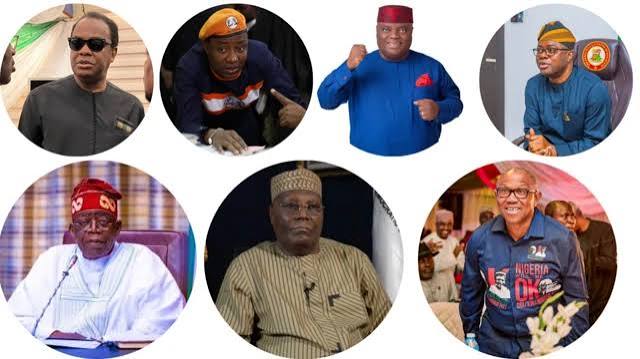
The growing threat of cult-related violence across Nigeria is exposing deeper weaknesses in political accountability, institutional controls and security governance, raising concerns about the potential use of violent networks as instruments of political influence ahead of the 2027 general elections.
The increasing visibility of cult-related violence across Nigeria is drawing attention to a risk that extends beyond public security: the potential relationship between organised violent groups and political patronage networks. As political activities gather momentum ahead of the 2027 general elections, concerns are mounting that groups operating outside the formal political and security architecture could become instruments of intimidation, political mobilisation and the disruption of democratic participation.
Warnings from security experts about the dangers posed by violent networks that have allegedly been tolerated or covertly accommodated by political interests. While the precise nature and extent of individual relationships require investigation, the broader governance implications deserve serious attention.
Political Patronage as a Governance and Compliance Exposure
Political patronage becomes a significant governance concern when informal relationships, financial inducements and political protection undermine institutional accountability. Where violent groups are allegedly tolerated because of their perceived usefulness to political interests, the distinction between legitimate political mobilisation and criminal activity becomes dangerously blurred.
From a compliance perspective, this creates exposure to corruption, abuse of public resources, conflicts of interest and the potential misuse of political influence. Any substantiated relationship involving the financing, protection or deployment of criminal groups for political purposes would raise serious questions about accountability and the effectiveness of existing control mechanisms.
Political parties, public institutions and individuals exercising public authority must therefore be subject to appropriate scrutiny, particularly where allegations suggest that informal power structures are operating beyond established legal safeguards.
Security Risk and Institutional Control Failures
The persistence of cult violence also raises questions about the effectiveness of intelligence gathering, law enforcement coordination and accountability mechanisms at state and local government levels.
Nigeria’s legal framework prohibits political violence and the establishment or maintenance of private militias for political purposes. Section 227 of the 1999 Constitution prohibits political parties from organising, retaining, training or equipping quasi-military organisations or private militias.
The Electoral Act 2022 also establishes restrictions on violence, intimidation and disorderly conduct during political activities.
However, the existence of legal prohibitions does not automatically translate into effective enforcement. Where perpetrators and potential sponsors are not investigated and held accountable, the resulting enforcement gap can create an environment in which violent networks become increasingly difficult to dismantle.






No Comment! Be the first one.