




NVIDIA CEO Exit Raises Corporate Governance, AML/CFT and Sanctions Compliance Questions
NVIDIA’s sudden leadership shake-up has placed corporate governance, executive accountability, sanctions compliance and financial-crime risk management under fresh scrutiny following the...
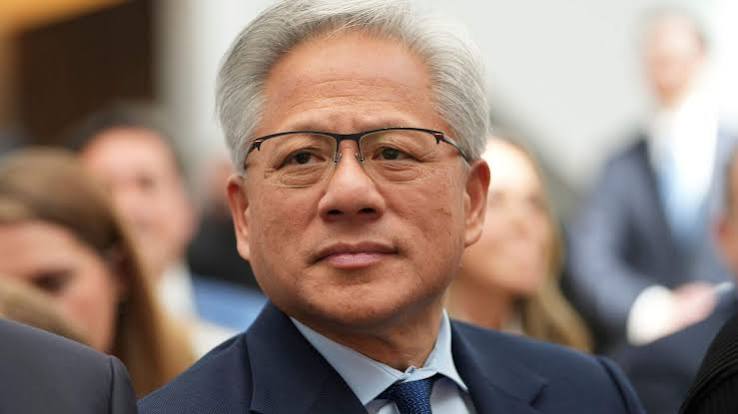
NVIDIA’s sudden leadership shake-up has placed corporate governance, executive accountability, sanctions compliance and financial-crime risk management under fresh scrutiny following the resignation of co-founder and Chief Executive Officer, Jensen Huang.
The company’s board announced that Huang had resigned as president, CEO and board member with immediate effect, appointing Chief Financial Officer Colette Kress as interim CEO while a search for a substantive successor begins.
The development comes amid reports concerning Huang’s alleged personal associations with individuals linked to suspected foreign intelligence activities, raising questions about executive due diligence, national security exposure and the effectiveness of corporate oversight.
NVIDIA’s board had earlier announced an independent investigation into reports that Huang was the target of a foreign intelligence operation. The investigation is being overseen by independent directors with external legal counsel.
From a corporate governance perspective, the transition places renewed emphasis on board independence, conflict-of-interest management, executive conduct policies, whistleblowing mechanisms and the effectiveness of internal control structures.
The appointment of Kress to simultaneously oversee the finance function and serve as interim chief executive also presents governance considerations around segregation of duties, financial reporting oversight and independent challenge.
For compliance and AML/CFT professionals, the unfolding developments highlight the importance of enhanced due diligence, beneficial ownership verification, politically and strategically exposed relationships, sanctions screening and transaction monitoring involving cross-border intermediaries.
NVIDIA’s extensive international operations, advanced semiconductor exports and relationships with technology companies and data-centre investors also make export-control compliance and counterparty risk management critical areas of scrutiny.
The company must demonstrate that its compliance framework can identify and manage risks involving restricted jurisdictions, military-linked entities, opaque intermediaries and potentially suspicious transactions.
However, the reported allegations are not established evidence of money laundering, sanctions breaches or other financial crimes.
The leadership transition presents a significant test of NVIDIA’s governance architecture, particularly its ability to maintain independent oversight, regulatory accountability and stakeholder confidence during a period of heightened scrutiny.






No Comment! Be the first one.