



Nigeria Tightens Sanctions Compliance as SEC Orders Immediate Asset Freezes
Nigeria’s Securities and Exchange Commission has escalated the country’s counter terrorism financing controls, directing capital market operators to immediately identify and freeze funds, assets and...
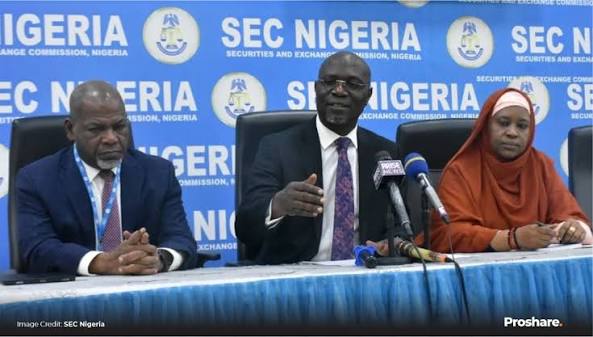
Nigeria’s Securities and Exchange Commission has escalated the country’s counter terrorism financing controls, directing capital market operators to immediately identify and freeze funds, assets and other economic resources belonging to six individuals and three entities designated under the Nigeria Sanctions List. The directive was issued under the Terrorism Prevention and Prohibition Act 2022 and requires regulated operators to act without prior notice to affected parties.
The order goes beyond simply blocking transactions. Capital market operators must report frozen assets, attempted transactions and other compliance actions to the Secretariat of the Nigeria Sanctions Committee. Suspicious or unusual transactions must also be reported to the Nigerian Financial Intelligence Unit, NFIU.
The latest action also points to a broader shift in Nigeria’s sanctions architecture. The SEC has directed regulated entities to connect to Nigeria’s NigSac Alerts system, reinforcing the expectation that sanctions screening should operate as an active, continuously monitored control rather than a periodic compliance exercise.
Why It Matters
For banks, brokerages, fund managers, custodians, exchanges and other financial-market participants, the compliance burden is becoming increasingly operational. A sanctions hit can trigger an immediate obligation to stop dealing, preserve assets, investigate the relationship and report the appropriate information to regulators.
The development is also consistent with a wider international trend in which sanctions, AML/CFT controls and financial intelligence increasingly intersect with digital assets and cross-border commerce. OFAC, for example, uses asset blocking and trade restrictions as core sanctions tools, while African regulators are progressively introducing crypto-specific licensing, AML and consumer protection frameworks.
Compliance Takeaway
Sanctions screening is moving from a static database exercise to a real-time financial control. Nigerian capital market operators should be able to demonstrate that sanctions lists are updated promptly, screening covers customers and beneficial owners, potential matches are escalated, assets can be frozen immediately and attempted transactions are captured and reported.
The regulatory question is no longer simply, “Was the name screened?” It is increasingly, “What happened within the institution when the name appeared?”
Compliance Signal
High: Immediate asset-freeze obligations, mandatory reporting, attempted-transaction monitoring and NigSac alert integration materially raise the operational expectations for sanctions compliance.





No Comment! Be the first one.