





Nigeria presses UN to resolve 216 outstanding audit recommendations
Nigeria’s Permanent Representative to the United Nations, Ambassador Jimoh Ibrahim, has called on UN management to urgently address 216 outstanding audit issues, urging stronger financial...
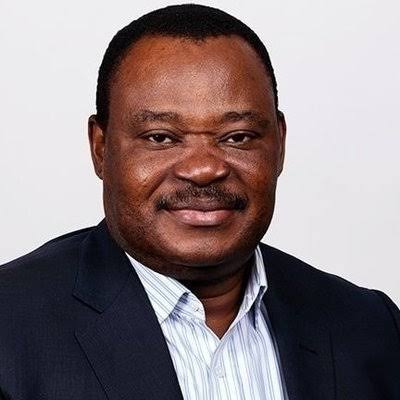
- Ambassador Jimoh Ibrahim calls for faster implementation of audit recommendations, stronger financial controls and greater management accountability as the UN reports a 55 per cent clearance rate in the figures cited during the Fifth Committee deliberations.
Nigeria’s Permanent Representative to the United Nations, Ambassador Jimoh Ibrahim, has called on UN management to urgently address 216 outstanding audit issues, urging stronger financial discipline, institutional accountability and compliance with established financial regulations.
Ibrahim made the call during deliberations of the UN General Assembly’s Fifth Committee on reports of the United Nations Board of Auditors, where member states examined the organisation’s financial management and implementation of previous audit recommendations.
The Nigerian envoy expressed concern over the number of unresolved audit matters, despite progress in clearing previously identified issues. He acknowledged that 100 audit reports had been cleared but maintained that the 216 outstanding matters required urgent management attention.
He urged the organisation to improve its clearance performance, which Channels Television reported at 55 per cent, while recognising that some outstanding matters might have been overtaken by subsequent developments.
Ibrahim stressed that explanations for recurring audit deficiencies must be accompanied by demonstrable corrective action. He warned that continued justifications without corresponding compliance could leave the organisation trapped in a cycle of unresolved audit concerns.
He also highlighted the importance of timely payment of assessed contributions by member states, insisting that financial commitments should be honoured according to schedule and translated into tangible institutional benefits.
On financial reporting, the Nigerian representative emphasised that accurate and reliable data were fundamental to the credibility of reports submitted to member states. He called for collective responsibility in safeguarding the integrity of information used in the UN’s financial reporting processes.
The deliberations also highlighted the importance of cooperation between information-gathering systems and audit teams in improving reporting quality, strengthening oversight and addressing recurring weaknesses in financial administration.
The discussions reflected wider concerns about internal controls, management responsibility and the effective implementation of audit recommendations across the UN system.
The Fifth Committee also considered reports relating to the estimated use of commitment authority for 2026 and the proposed 2027 subvention to the Extraordinary Chambers in the Courts of Cambodia.
The committee concluded its general discussion, with informal consultations expected to consolidate contributions from member-state delegations. It is scheduled to reconvene on November 30, 2026.
Nigeria’s intervention places renewed emphasis on the principle that institutional accountability must be measured not simply by the production of audit reports or management responses, but by the timely implementation of recommendations and demonstrable improvements in financial governance.




No Comment! Be the first one.