




NCC Threatens to Disconnect Unapproved Phones After 30-Day Warning
The Nigerian Communications Commission (NCC) has stepped up enforcement of mobile device approval requirements, warning that unverified phones could be disconnected from Nigerian telecommunications...
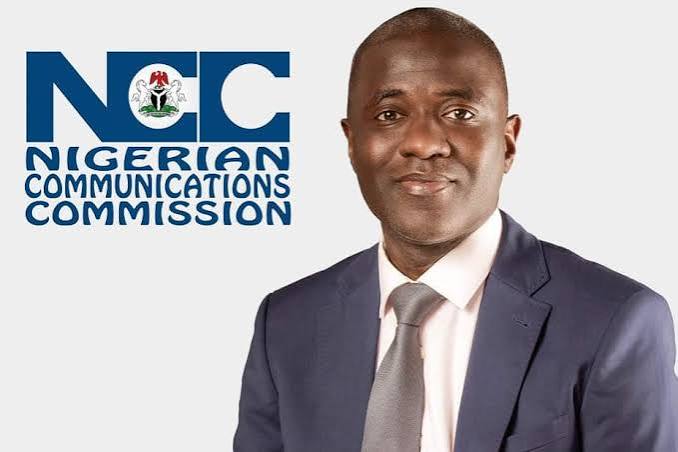
The Nigerian Communications Commission (NCC) has stepped up enforcement of mobile device approval requirements, warning that unverified phones could be disconnected from Nigerian telecommunications networks after 30 cumulative days.
The enforcement initiative, implemented through the Commission’s Device Management System (DMS), is designed to identify devices operating on Nigerian networks and strengthen compliance with type-approval regulations.
Reports indicate that consumers using Apple, Tecno, Infinix, Google Pixel and other smartphone brands have received text messages warning that their devices have not been verified. Some affected users reportedly purchased their phones from local retailers and online marketplaces.
The development has raised concerns about consumer protection, particularly where buyers acquire genuine devices without knowing whether the necessary regulatory requirements have been satisfied.
The NCC’s type-approval framework is intended to ensure that telecommunications equipment meets applicable technical and regulatory standards before being used on Nigerian networks.
The DMS uses International Mobile Equipment Identity (IMEI) numbers, unique identifiers assigned to mobile devices, to support device identification and verification.
However, a phone flagged by the system is not necessarily counterfeit. It may be genuine but unverified, imported through unofficial channels or affected by an error requiring further investigation.
Consumers who receive warnings can reportedly check their device status by dialling \*315# and selecting option 1, labelled “Check this device”. The NCC also maintains an online database of approved devices.
Phone owners are advised to retain purchase receipts and invoices and contact their sellers or the NCC if a device is flagged despite having been purchased through a legitimate channel
The enforcement drive also places pressure on importers, distributors and retailers to ensure that handsets comply with applicable approval requirements before being offered for sale.
Online marketplaces may face additional scrutiny over third-party sellers offering imported devices without clearly disclosing their regulatory status.
Consumers who unknowingly purchase non-compliant phones could face unexpected costs if their devices lose network access. Questions may also arise over refunds, replacement and sellers’ obligations, depending on the circumstances of each transaction.
The initiative could improve device traceability, discourage the sale of non-compliant handsets and support efforts to identify stolen phones. However, its effectiveness will depend on accurate verification, accessible complaint procedures and clear guidance for consumers whose devices are incorrectly flagged.
The NCC is also expected to clarify the procedures available to people who legitimately acquired phones abroad or through private transactions but encounter verification problems.
The Commission’s enforcement campaign places a new compliance responsibility on businesses throughout the handset supply chain.
Its success will depend on ensuring that non-compliant devices are identified without unfairly penalising consumers who purchased their phones in good faith.







No Comment! Be the first one.