




Cocaine Trail Busted: Nigerian Arrested in India as Police Unravel Alleged Drug Network
Indian police have arrested a Nigerian national, identified as Ezeaputa Chijioke, over alleged involvement in a cocaine distribution network supplying club-goers and partygoers in the Chandigarh...
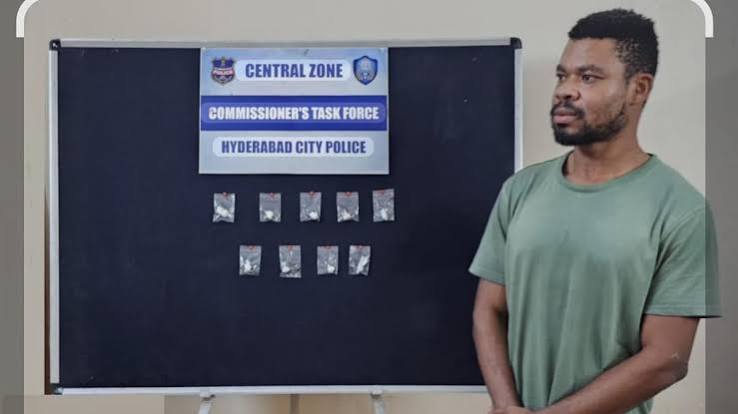
Indian police have arrested a Nigerian national, identified as Ezeaputa Chijioke, over alleged involvement in a cocaine distribution network supplying club-goers and partygoers in the Chandigarh region.
According to a report by The Times of India, Chijioke was arrested on October 6, with approximately 70.5 grammes of cocaine recovered in connection with the investigation into the suspected drug supply network.
The arrest followed a series of operations that led to the apprehension of three suspected dealers and the recovery of a combined 113 grammes of cocaine, as well as an ATM card, in Chandigarh and the surrounding tri-city area.
Police reportedly began the operation on October 4, when officers arrested a suspect identified as Rakesh Kumar, also known as Karan, near Sector 23-C market. He was allegedly found with 22.1 grammes of cocaine.
During questioning, Kumar reportedly identified Jaskaran Gill as his supplier, leading to Gill’s arrest in Dehradun on the same day.
Investigators said Gill subsequently identified Chijioke as the alleged source of the cocaine, prompting police to track down and arrest the Nigerian national two days later.
According to the report, Chijioke had been residing in Kharar and allegedly could not produce his passport when apprehended. Police also suspected that he was staying in India illegally.
Alleged supply chain under investigation
Investigators reportedly believe the suspected operation relied on intermediaries to distribute cocaine to customers.
Kumar, described as a private cab driver, allegedly delivered the substance to club-goers and partygoers on Gill’s instructions, receiving 500 Indian rupees for each delivery.
Gill was also alleged to have coordinated the deliveries and collected payments through QR codes and online payment platforms.
Police reportedly recovered 21.30 grammes of cocaine, a Mercedes-Benz, a Mitsubishi Pajero, a Tata Safari and an ATM card from Gill. The vehicles were suspected of having been acquired with proceeds from alleged drug trafficking.
The recoveries form part of an investigation into the suspected distribution network, with authorities continuing efforts to establish the full extent of the operation and identify any additional individuals involved.
Compliance implications: financial trails under scrutiny
The reported use of digital payment channels and the recovery of an ATM card highlight the importance of examining financial transactions alongside suspected narcotics distribution.
For compliance professionals, the case illustrates how investigations into alleged drug trafficking may extend beyond the seizure of controlled substances to include payment channels, potentially unexplained assets and the identification of beneficiaries linked to suspected illicit proceeds.
However, the reported recoveries and allegations do not, by themselves, establish that the assets were purchased with criminal proceeds or that any particular financial transaction constituted money laundering.
The case also underscores the importance of risk-based due diligence, transaction monitoring and cooperation between law enforcement agencies and financial institutions where legally required.
Renewed scrutiny of suspected drug networks
The arrest comes amid other reported cases involving Nigerian nationals suspected of drug-related offences in India.
In a separate operation reported less than three months earlier, four Nigerian nationals were arrested over alleged links to a drug trafficking network, with narcotics reportedly valued at approximately 150 million Indian rupees recovered during a series of operations.
Those arrests reportedly followed coordinated action by India’s Narcotics Control Bureau, state police and other security agencies targeting suspected drug trafficking and immigration violations.
Investigations into Chijioke’s case remain ongoing. The allegations against him and the other suspects have not been established as proven criminal conduct, and their guilt remains a matter for the judicial process.





No Comment! Be the first one.