





AUSTRAC Exposes Alleged A$123 Million Money Laundering Network Using Cryptocurrency and Shell Companies
Australia’s financial intelligence agency, the Australian Transaction Reports and Analysis Centre (AUSTRAC), has supported an investigation into an alleged transnational money laundering network...
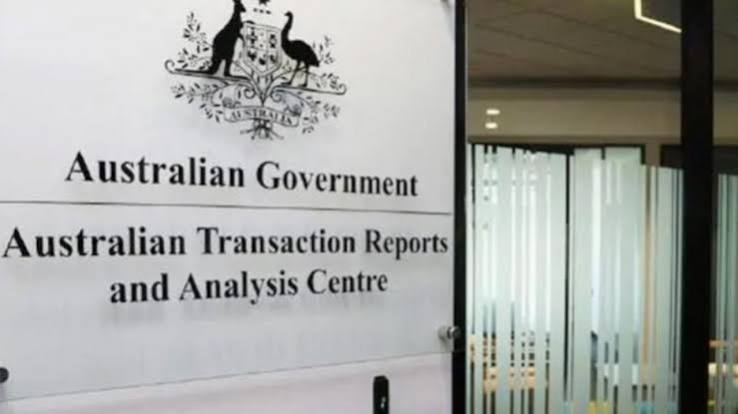
Australia’s financial intelligence agency, the Australian Transaction Reports and Analysis Centre (AUSTRAC), has supported an investigation into an alleged transnational money laundering network suspected of processing more than A$123 million in criminal proceeds on behalf of multiple organised crime syndicates.
Announced on 3 November 2026, the investigation highlights how criminal networks allegedly use shell companies, cryptocurrency and offshore transfers to conceal the origins and movement of illicit funds.
The investigation, led by the Australian Federal Police (AFP) under Taskforce Avarus, identified a suspected operation that converted criminal cash into cryptocurrency and transferred funds overseas through shell companies allegedly operating as corporate money mules.
On 27 October 2026, investigators, assisted by AUSTRAC, executed search warrants at properties in Strathfield and Burwood, Sydney. The searches resulted in the seizure of an estimated A$750,000 in cash, luxury handbags and watches, a cash-counting machine and electronic devices.
The investigation forms part of wider efforts by Australian authorities to disrupt the financial infrastructure supporting organised crime. According to AUSTRAC, specialist money laundering networks can provide financial services to multiple criminal groups, allowing them to move and disguise proceeds generated through separate illicit activities.
For financial institutions and compliance professionals, the case reinforces the importance of identifying suspicious relationships between corporate entities, monitoring unusual cash and cryptocurrency movements, and examining cross-border transactions that lack a clear economic purpose.
It also highlights the value of financial intelligence in connecting seemingly unrelated transactions, accounts, companies and individuals. Effective AML/CFT controls must therefore look beyond individual transactions to identify wider patterns of financial activity and potential third-party involvement.
AUSTRAC’s findings provide a further reminder that shell companies and virtual assets can be misused to facilitate financial crime, although neither is inherently unlawful.
The investigation remains ongoing, and the alleged laundering activity has not been established through a final judicial determination.






No Comment! Be the first one.