




NAFDAC Cracks Down on Regulatory Violations: 474 Cases, 821 Product Seizures in Eight Months
The National Agency for Food and Drug Administration and Control (NAFDAC) recorded 474 new cases, 821 product seizure entries and 213 raids between January and August 2026, highlighting continued...
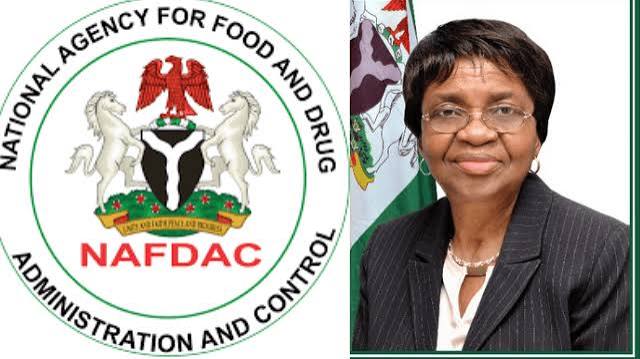
The National Agency for Food and Drug Administration and Control (NAFDAC) recorded 474 new cases, 821 product seizure entries and 213 raids between January and August 2026, highlighting continued enforcement against suspected violations involving regulated products in Nigeria.
From a compliance perspective, the figures underscore the importance of regulatory due diligence, product registration, quality assurance, supply-chain traceability and effective monitoring by manufacturers, importers, distributors and retailers.
The agency also reported 295 concluded cases, 179 establishments closed or sealed, 52 arrests and 218 administrative sanctions during the eight-month period. Its enforcement activities covered food, drugs, cosmetics, medical devices, packaged water, drinks and chemicals.
Cosmetics accounted for 401 of the recorded seizure entries, followed by drinks with 215 and drugs with 112. NAFDAC clarified that these figures represent seizure entries, not necessarily the physical quantities or monetary value of products seized.
For businesses operating in regulated sectors, the enforcement figures reinforce the need to verify product registration where required, maintain accurate documentation, source products through legitimate channels, comply with labelling and storage requirements, and implement controls to prevent the distribution of unsafe, falsified or substandard goods.
The agency’s enforcement activities also included surveillance, sample collection for laboratory analysis, investigations and referrals for legal action where appropriate. These measures demonstrate that regulatory compliance extends beyond possessing the necessary approvals to maintaining continuous conformity with applicable standards.
NAFDAC has urged industry operators to strengthen compliance practices and encouraged consumers to verify product registration through official channels and report suspected violations.
Compliance takeaway: Businesses should treat regulatory compliance as an ongoing operational responsibility, supported by documented controls, supplier verification, product traceability and prompt corrective action when breaches are identified.







No Comment! Be the first one.