





Belize Cabinet Approves Cybercrime Bill Amendments Targeting Deepfakes and Online Abuse
• Proposed amendments seek to criminalise serious technology-facilitated abuse while introducing safeguards for journalism, political debate, satire and freedom of expression. Meat of the Story… The...
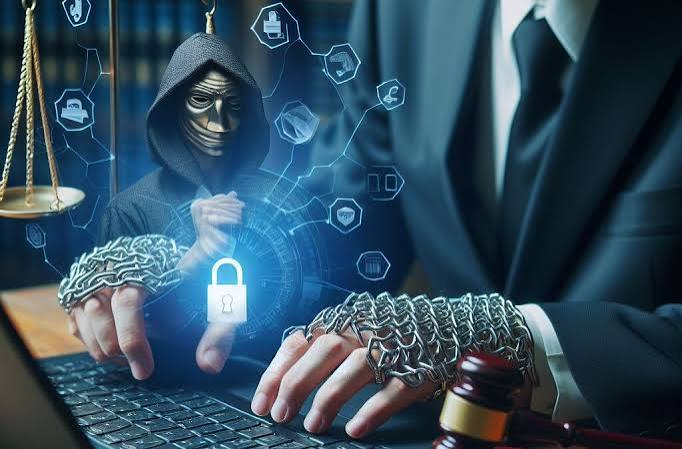
• Proposed amendments seek to criminalise serious technology-facilitated abuse while introducing safeguards for journalism, political debate, satire and freedom of expression.
Meat of the Story…
The Belizean Cabinet has approved amendments to the country’s Cybercrime Bill aimed at strengthening the legal response to technology-facilitated abuse, including malicious deepfakes, online impersonation, extortion, threats and targeted harassment.
The amendments are also designed to address concerns that cybercrime legislation could be used too broadly against legitimate speech. The Belize government says the revised framework will protect political debate, journalism, satire and public accountability while preserving the ability to prosecute serious online abuse.
A significant procedural safeguard would require the written consent of the Director of Public Prosecutions before a prosecution can be initiated for an offence under the relevant provisions.
Analysis
The proposed changes come after concerns were raised over the scope of Belize’s cybercrime legislation and the potential for certain provisions to overlap with legitimate criticism, journalism and public-interest commentary.
The Cabinet’s approach seeks to draw a clearer line between harmful digital conduct and protected expression. Malicious deepfakes, impersonation, extortion, threats and targeted harassment would remain within the reach of criminal enforcement, while legitimate political debate, satire and journalism would receive greater protection.
The inclusion of deepfakes is particularly significant as generative artificial intelligence makes it increasingly easy to create convincing synthetic images, audio and video depicting individuals saying or doing things that never occurred.
Online impersonation presents a related risk. Criminals can use fabricated identities or manipulated digital content to deceive victims, obtain financial benefits, damage reputations or facilitate other offences.
The amendments therefore reflect a broader legislative trend in which governments are attempting to update traditional cybercrime frameworks to address forms of abuse that were not contemplated when many existing computer crime laws were drafted.
At the same time, Belize’s decision to expressly preserve journalism, satire and public accountability recognises the risk that broadly drafted online offences can have unintended consequences for freedom of expression.
Compliance Implications
For businesses and digital platforms operating in Belize, the proposed framework could create additional compliance responsibilities around content, identity verification and online abuse.
Platforms may need stronger procedures for identifying and escalating suspected impersonation, malicious synthetic media and targeted harassment. Where content involves potentially criminal conduct, organisations should also maintain appropriate processes for preserving relevant digital evidence and responding to lawful requests from authorities.
The proposed requirement for written DPP consent before prosecution is an important procedural safeguard. It could provide an additional layer of review before cybercrime provisions are used in contentious cases involving online speech.
Businesses should nevertheless avoid treating the proposed amendments as an immediate legal obligation. Cabinet approval is an important legislative step, but the amendments remain part of the lawmaking process and should be monitored for subsequent parliamentary consideration and any changes before enactment.
The development also highlights the growing importance of AI governance. Organisations using generative AI for marketing, communications, customer engagement or identity verification should establish controls designed to prevent synthetic content from being used deceptively or without appropriate authorisation.
Why the Update Matters
Belize’s proposed amendments reflect a wider international shift towards treating AI-enabled deception and technology-facilitated abuse as distinct regulatory risks.
Deepfakes can be used to manipulate markets, impersonate executives, fabricate political statements, facilitate fraud or cause reputational harm. Impersonation can similarly support identity theft, financial fraud and social engineering.
The legislative response is therefore moving beyond traditional concepts of unauthorised computer access and data interference towards the misuse of digital identity and synthetic content.
The Belize approach is notable because it combines stronger enforcement with an explicit attempt to protect democratic expression. The Cabinet says the amendments are intended to combat serious online abuse without criminalising legitimate political debate, journalism, satire or public accountability.
For compliance professionals, that balance matters. Effective cyber regulation must provide authorities with tools to address genuine digital harm while maintaining clear legal thresholds that prevent ordinary criticism or reporting from being treated as criminal conduct.
Compliance Takeaway
Businesses operating in Belize should monitor the Cybercrime Bill amendments as they progress and assess how potential new offences could affect digital communications, customer verification, content moderation and incident response.
Organisations should also strengthen controls around the creation and distribution of AI-generated content, particularly where the likeness, voice, identity or reputation of another person is involved.
The wider compliance lesson is clear. As deepfakes and digital impersonation become more sophisticated, organisations need governance controls that address not only cyber intrusion, but also the malicious manipulation of identity, information and trust.







No Comment! Be the first one.