




399 Africans, 39 Nationalities: Inside The U.S. Sanctions Net Reaching Across The Continent
An analysis of U.S. Treasury sanctions data has identified 399 people with recorded African nationalities across 39 nationalities, offering a snapshot of the individuals affected by Washington’s...
- Treasury data analysis identifies hundreds of people with African nationalities on U.S. sanctions records, highlighting the reach of Washington’s financial restrictions and the compliance risks for banks, businesses and international partners.
An analysis of U.S. Treasury sanctions data has identified 399 people with recorded African nationalities across 39 nationalities, offering a snapshot of the individuals affected by Washington’s sanctions measures.
The publication cautions that the figure is not an exhaustive count of every African affected by U.S. sanctions. The analysis examines how sanctions reach political figures; individuals associated with armed conflicts and people designated under terrorism-related programmes. It also distinguishes sanctions against named individuals from broader claims that entire African countries are under sanctions.
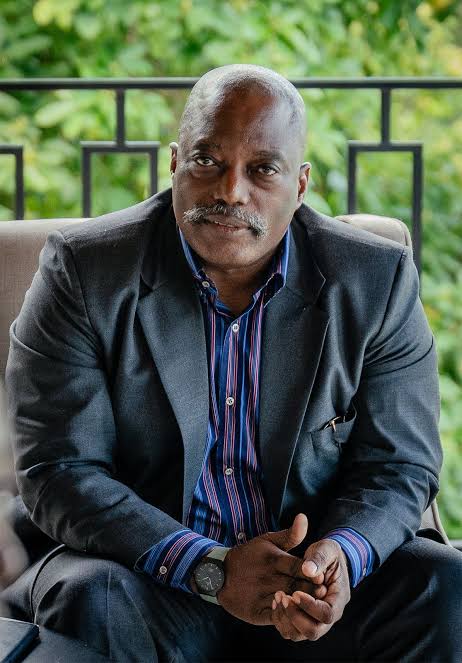
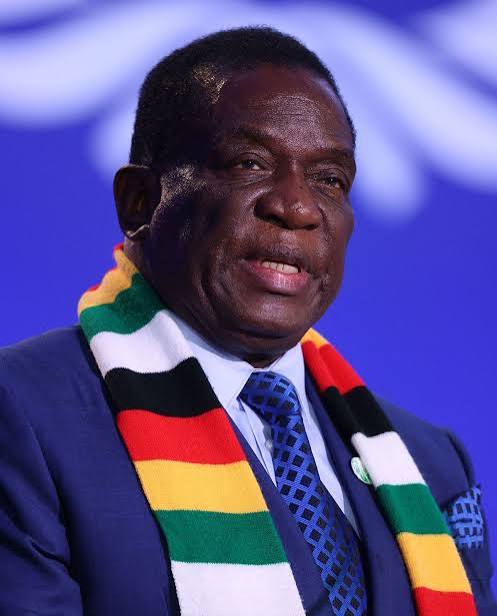
Among the prominent figures discussed in the report is former Democratic Republic of Congo president Joseph Kabila, whom the United States designated in April 2026. Zimbabwean President Emmerson Mnangagwa and figures associated with conflicts in Sudan and Somalia also feature in the broader sanctions landscape covered by the publication.
What Sanctions Mean for Businesses
U.S. sanctions can restrict dealings with designated individuals and entities, depending on the applicable sanctions programme. Certain assets within U.S. jurisdiction may be blocked, while U.S. persons can face prohibitions on transactions with listed parties unless an exemption or authorisation applies.
The implications can extend beyond the designated individual. Banks, exporters, investors, shipping companies and international service providers may need to assess ownership structures, business relationships and transactions to determine whether sanctions restrictions apply.
However, appearing in a sanctions database does not automatically mean every transaction involving a person is prohibited worldwide. The applicable programme, jurisdiction, ownership rules and any relevant licence must be examined.
The U.S. Treasury’s Office of Foreign Assets Control maintains an official sanctions search tool that allows users to check names against its sanctions lists. OFAC also cautions that name searches are not a substitute for appropriate due diligence.
The 399-person figure should therefore be understood as a data-based snapshot rather than a complete measure of sanctions exposure across Africa. For compliance teams, the practical priority is to verify identities, assess ownership and control, and determine which legal




No Comment! Be the first one.