





Workplace Surveillance Creates Compliance Risks Beyond Privacy
Workplace surveillance is becoming an increasingly complex compliance issue as organisations adopt technologies capable of tracking employee activity, analysing behaviour and using artificial...
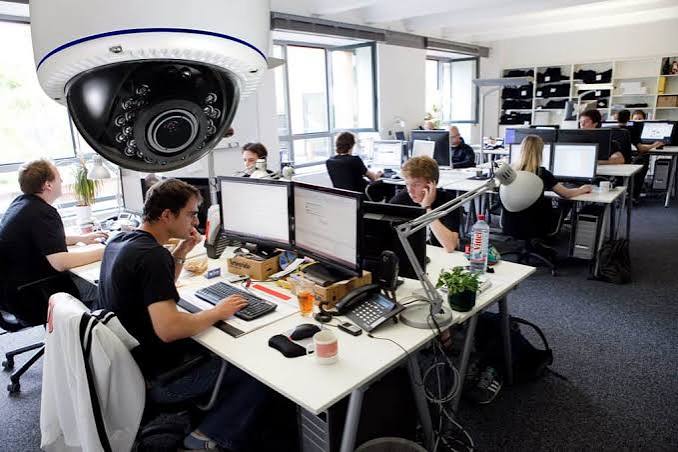
Workplace surveillance is becoming an increasingly complex compliance issue as organisations adopt technologies capable of tracking employee activity, analysing behaviour and using artificial intelligence to assess productivity.
While privacy has traditionally been the central concern surrounding employee monitoring, the growing sophistication of surveillance tools is creating broader questions around governance, transparency, accountability, workplace culture and the reliability of automated decision-making.
Modern workplace surveillance can extend well beyond security cameras and access cards. Organisations may now use software to monitor application usage, internet browsing, location data, badge access, emails and screenshots, while some systems use artificial intelligence to generate productivity scores and identify perceived performance concerns.
These technologies can provide legitimate business benefits, including protecting confidential information and identifying operational inefficiencies. But without appropriate governance, they can also introduce legal, regulatory and reputational risks.
Surveillance Is No Longer Just an IT or HR Issue
Employee monitoring was traditionally treated as a matter for information technology and human resources, with legal teams becoming involved primarily when privacy or employment-law questions arose.
That approach is becoming increasingly inadequate.
Decisions about what employee information is collected, how it is analysed, who can access it and how it may influence employment decisions have implications across the entire compliance framework. Without cross-functional oversight, organisations can create governance gaps even where the underlying surveillance technology is lawful.
Compliance teams therefore have an important role to play before monitoring systems are introduced, rather than becoming involved only after concerns emerge.
The legitimate business purpose for surveillance should be established at the outset, together with clear controls governing access, use, retention and escalation.
Surveillance Can Undermine Employee Trust
Effective compliance programmes depend heavily on employee trust. Organisations rely on employees to raise concerns, report misconduct and participate honestly in investigations.
Excessive or poorly governed surveillance can weaken that trust.
Employees who believe that every digital interaction is being monitored may become reluctant to ask sensitive questions, report misconduct or participate openly in internal investigations. Even where monitoring is lawful and disclosed, intrusive practices can create the impression that surveillance is primarily designed to police employees rather than protect the organisation.
For compliance teams, that creates a significant problem. An organisation cannot effectively identify and address misconduct if employees no longer feel confident using internal reporting channels.
Silence can therefore become a compliance risk in its own right.
Artificial Intelligence Raises the Stakes
The arrival of artificial intelligence has transformed workplace monitoring from passive data collection into active decision support.
Modern systems can identify behavioural patterns, generate productivity measurements, flag perceived performance problems and recommend management action. While these capabilities may improve operational oversight, they also raise questions about the reliability and fairness of automated assessments.
Compliance leaders must consider how productivity scores are calculated, what data is used to generate them and whether the underlying models produce reliable and unbiased results.
An AI-generated assessment may appear objective because it is based on data, but automated outputs are only as reliable as the assumptions built into the system and the quality of the information being analysed.
Human judgement therefore remains essential, particularly when surveillance data could influence significant employment decisions.
AI-generated recommendations should be treated as information to be assessed rather than unquestionable conclusions.
Documentation Is a Critical Control
Organisations can devote considerable attention to selecting surveillance technology while giving insufficient attention to documenting how that technology will be governed.
That can create a significant compliance weakness.
Monitoring programmes should clearly establish the legitimate business purpose for collecting employee information, who can access the information, how long it will be retained and how it may be used in workplace investigations or employment decisions.
Consistency is equally important. If surveillance is applied differently across departments or groups of employees without a legitimate reason, organisations could face allegations of unfair treatment, discrimination or retaliation.
Strong documentation can help demonstrate that monitoring decisions were considered carefully, applied proportionately and aligned with legitimate organisational objectives.
Governance Must Continue After Implementation
Implementing a workplace monitoring system should not mark the end of the compliance process.
Technology changes rapidly, particularly when artificial intelligence capabilities are added to existing platforms. Regulatory requirements, workplace expectations and organisational practices can also change.
Compliance teams should therefore periodically reassess whether surveillance continues to serve a legitimate business purpose, whether the organisation is collecting more information than necessary and whether new AI capabilities have altered how employee data is analysed.
They should also examine whether managers are using monitoring information consistently and whether surveillance practices could discourage employees from raising concerns.
This turns workplace surveillance from a one-time technology decision into an ongoing governance responsibility.
Looking Beyond Privacy
Privacy remains an essential foundation of workplace surveillance compliance, but it should not be the end of the analysis.
Employee monitoring can affect organisational culture, ethical behaviour, employee trust and the effectiveness of internal reporting mechanisms. As AI-powered surveillance becomes more common, compliance professionals have an opportunity to influence how these technologies are introduced and governed.
The strongest monitoring programmes will not necessarily be those that collect the greatest amount of employee information. They will be those that demonstrate the clearest purpose, strongest controls, meaningful transparency and effective accountability.
For organisations, the central compliance challenge is therefore not simply whether employees can be monitored. It is whether the organisation has built the governance framework necessary to monitor them responsibly.
Compliance Takeaway
Workplace surveillance should be treated as an enterprise-wide compliance and governance issue rather than simply an IT, HR or privacy matter.
Organisations should establish a legitimate purpose for monitoring, limit data collection to what is necessary, clearly define access and retention requirements and ensure that employees understand how surveillance information may be used.
Where artificial intelligence is involved, additional scrutiny is essential. Organisations should assess the reliability and potential bias of automated assessments and ensure that significant employment decisions are not based solely on AI-generated conclusions.
Above all, compliance leaders should recognise that excessive surveillance can undermine the very trust on which effective compliance programmes depend. Responsible monitoring is therefore not about collecting the most data; it is about demonstrating that every element of surveillance has a legitimate purpose, appropriate oversight and accountable governance.







No Comment! Be the first one.