





US Weighs Reimposing Magnitsky Sanctions on Brazil’s Supreme Court Justice Alexandre de Moraes
Brazil Judicial Targets: The Trump administration is considering reimposing Global Magnitsky sanctions on Brazilian Supreme Court Justice Alexandre de Moraes, reviving a sanctions dispute that could...
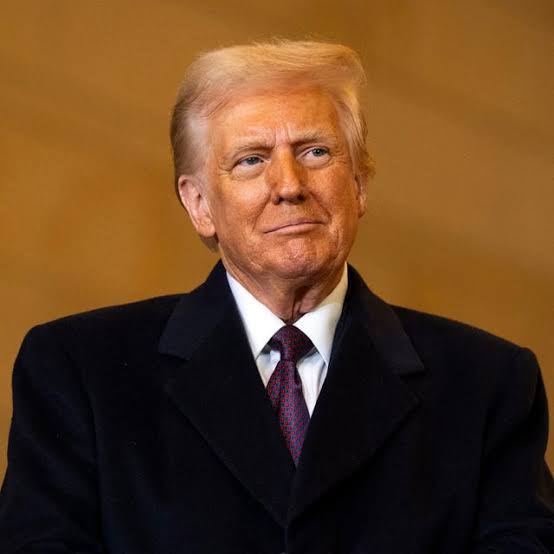
Brazil Judicial Targets: The Trump administration is considering reimposing Global Magnitsky sanctions on Brazilian Supreme Court Justice Alexandre de Moraes, reviving a sanctions dispute that could further strain US-Brazil relations. The proposed action follows renewed US concerns over press freedom and judicial overreach, including court-authorised searches involving a journalist and sources. (Reuters)
Moraes was previously designated by the US Treasury under the Global Magnitsky programme in July 2025 over allegations including arbitrary detention and suppression of free expression. The sanctions were removed from the US Specially Designated Nationals list in December 2025 following diplomatic engagement. (OFAC)
The potential re-designation would have immediate compliance implications for financial institutions and businesses with US exposure. A Global Magnitsky designation can block property and interests in property subject to US jurisdiction and restrict US persons from conducting transactions with the designated individual. Brazilian banks previously had to assess how broadly the US restrictions could affect domestic transactions involving Moraes. (Reuters)
From a compliance perspective, a renewed designation would also raise questions around sanctions screening, correspondent banking, payment processing, beneficial ownership and indirect exposure. Banks and multinational companies would need to review customer and counterparty relationships, transaction flows and any US nexus involving the designated individual.
The case also illustrates the growing intersection between sanctions compliance and geopolitical risk. A judicial official with no obvious conventional commercial profile can nevertheless become a sanctions exposure when a foreign government determines that alleged human rights abuses or other conduct fall within a sanctions programme.
The potential move therefore represents more than another diplomatic dispute between Washington and Brasília. For compliance teams, it is a reminder that sanctions exposure can emerge from political and judicial developments as quickly as from conventional financial crime or national security events.







No Comment! Be the first one.