





US Senators Demand Answers Over 17-Month Pause in Russia Sanctions
Senators Elizabeth Warren and Christopher Coons have challenged the Trump administration over what they describe as a prolonged halt in targeted sanctions against companies, banks and other entities...
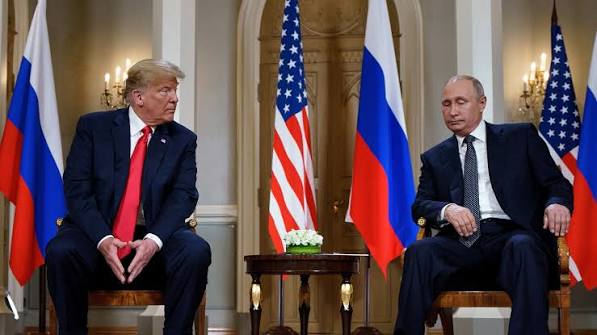
Senators Elizabeth Warren and Christopher Coons have challenged the Trump administration over what they describe as a prolonged halt in targeted sanctions against companies, banks and other entities helping Russia evade existing restrictions.
Two senior Democratic senators are demanding answers from the Trump administration over its decision to pause regular counter-evasion sanctions targeting Russia, arguing that the approach is weakening US leverage as efforts to negotiate an end to the war in Ukraine have stalled.
Warren, the top Democrat on the Senate Banking Committee, and Coons sent a letter on 12 August to Secretary of State Marco Rubio and Treasury Secretary Scott Bessent questioning why the administration has not resumed what they describe as routine and targeted sanctions against Russian sanctions-evasion networks.
The senators said the administration has effectively paused such measures for 17 months. They pointed to October 2025 as the last major US sanctions action against Russia, when the Treasury Department designated Russian oil companies Rosneft and Lukoil. In their view, that action was an isolated intervention rather than a return to sustained counter-evasion enforcement.
The criticism centres on the administration’s earlier explanation that sanctions policy was being held back to avoid undermining peace negotiations.
The senators cited comments from Bessent in February indicating that the administration wanted to “see where the peace talks go” before resuming some counter-evasion measures. They contrasted that position with Rubio’s subsequent assessment in May that Russia-Ukraine peace talks had not produced meaningful progress and that there were no active negotiations at that point.
Warren and Coons are therefore questioning why sanctions pressure has not been restored now that the diplomatic rationale for the pause appears, in their view, to have weakened.
The senators noted that the United States imposed 111 sets of sanctions on Russia between Moscow’s full-scale invasion of Ukraine in February 2022 and January 2025. They argue that continued Russian access to sanctions-evasion channels demonstrates the need for sustained enforcement rather than occasional large-scale designations.
For compliance professionals, the dispute is significant because counter-evasion sanctions are designed to target the networks that allow sanctioned Russian entities and individuals to continue accessing international finance and trade.
Such measures can target companies, banks, intermediaries and other facilitators that help sanctioned parties circumvent restrictions. A prolonged absence of new designations can therefore affect the sanctions-risk environment for businesses that operate in sectors or jurisdictions exposed to Russian trade.
The administration has defended its broader approach. A Treasury spokesperson pointed to the sanctions imposed on Russian oil companies and said the administration would continue to act in the interests of US national security and a peaceful resolution to the war. The State Department said it does not preview potential sanctions actions.
The congressional pressure comes as the Senate has also moved towards additional legislation targeting Russia. Senators passed new Russia sanctions legislation this month, although its prospects remain uncertain amid concerns from some Democrats and Republicans over provisions that could give the president authority to impose tariffs on goods from US allies, including Japan and European countries.
Warren and Coons have asked Rubio and Bessent to respond by 28 August. Their central question is why, if sanctions were paused because of peace talks, the administration has not resumed regular counter-evasion measures now that those talks have stalled.
For sanctions compliance teams, the episode reinforces an important point: a lack of new designations does not mean Russia-related sanctions risk has diminished. Existing restrictions remain in force, while companies must continue assessing counterparties, beneficial ownership, payment routes, shipping arrangements and potential links to sanctions-evasion networks.
The congressional challenge could also signal greater scrutiny of the administration’s future Russia sanctions policy. Any renewed US enforcement campaign could expand the number of secondary entities and intermediaries designated for supporting Russian sanctions evasion, increasing the screening and due-diligence burden for financial institutions and multinational businesses.




No Comment! Be the first one.