




US Regulators Redefine ‘Unsafe’ Banking, Raising the Stakes for Compliance Failures
US Regulators Redefine ‘Unsafe’ Banking, Raising the Stakes for Compliance Failures US banking regulators have finalised new rules defining what constitutes an “unsafe and unsound” banking practice,...
US Regulators Redefine ‘Unsafe’ Banking, Raising the Stakes for Compliance Failures
US banking regulators have finalised new rules defining what constitutes an “unsafe and unsound” banking practice, giving examiners a clearer framework for determining when weaknesses at financial institutions warrant regulatory action.
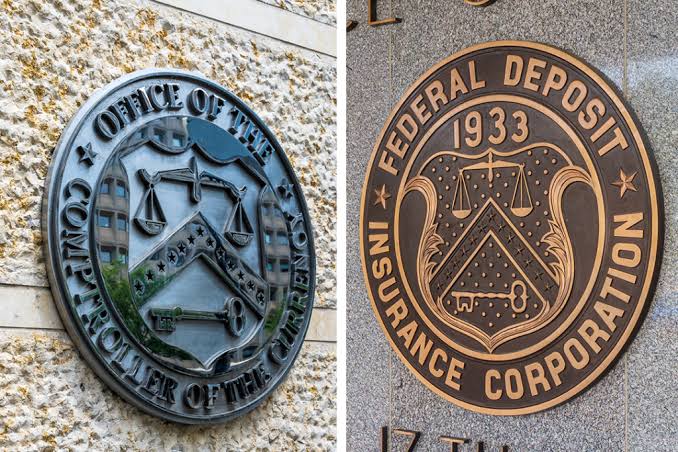
The Office of the Comptroller of the Currency (OCC) and the Federal Deposit Insurance Corporation (FDIC) approved the rules on August 27, marking the first time federal banking regulators have formally established definitions for practices that could trigger supervisory intervention.
The move forms part of a broader overhaul of US bank supervision under the Trump administration, with regulators seeking to shift examinations towards material financial risks rather than what officials describe as minor or technical compliance shortcomings.
Under the new approach, examiners are expected to focus on weaknesses capable of materially affecting a bank’s financial condition, including risks involving capital, liquidity, governance and risk management. Regulators are also raising the threshold for formal supervisory findings, distinguishing substantive problems from technical violations.
The Federal Reserve, which supervises many of the country’s largest banks, has not yet issued a corresponding proposal, leaving some divergence possible across the federal banking supervisory framework.
For compliance officers, the change does not eliminate regulatory exposure. Instead, it could alter where supervisory attention is concentrated, placing greater emphasis on whether compliance and risk controls identify and mitigate threats that could materially damage an institution.
The rules also come amid renewed scrutiny of bank supervision following the 2023 collapse of Silicon Valley Bank and criticism that regulators had identified weaknesses without acting quickly enough on core risks.
Compliance takeaway: The US supervisory reset could mean fewer findings over technical deficiencies, but greater consequences when weaknesses expose a bank to material financial, governance or risk-management failures.






No Comment! Be the first one.