




US-Iran Framework Deal Eases Tensions but Leaves Compliance Risks Unresolved
A newly announced framework agreement between the United States and Iran has reduced immediate geopolitical tensions and reopened the Strait of Hormuz, offering temporary relief to global energy...
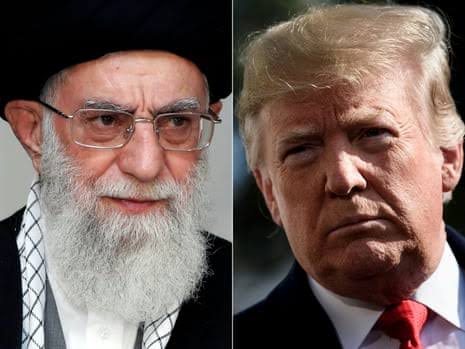
A newly announced framework agreement between the United States and Iran has reduced immediate geopolitical tensions and reopened the Strait of Hormuz, offering temporary relief to global energy markets. However, sanctions experts caution that the agreement leaves significant regulatory and compliance uncertainties that financial institutions and multinational businesses will need to navigate carefully.
While the deal has paused hostilities and revived diplomatic engagement between Washington and Tehran, it stops short of providing clarity on several critical issues, including the future of US sanctions, access to frozen Iranian assets, banking restrictions and the next phase of nuclear negotiations. As a result, compliance professionals are being urged to maintain existing sanctions controls until formal regulatory guidance is issued.
Industry analysts note that the absence of immediate sanctions relief means organisations should avoid assuming that commercial restrictions on Iran have been lifted. Existing sanctions regimes remain largely in force, requiring financial institutions, exporters and multinational corporations to continue conducting enhanced due diligence, sanctions screening and customer risk assessments before engaging in any Iran-related transactions.
The framework agreement has nevertheless helped restore confidence in maritime trade by facilitating the reopening of the Strait of Hormuz, one of the world’s most strategically important shipping routes. The resumption of commercial traffic is expected to ease pressure on global supply chains and energy markets following weeks of heightened regional instability.
Despite the diplomatic breakthrough, experts warn that sanctions compliance remains highly dynamic. Future negotiations could lead to amendments, suspensions or the reimposition of restrictions, making continuous monitoring of regulatory developments essential for compliance teams. Businesses with cross-border operations are therefore expected to closely track guidance issued by the US Treasury’s Office of Foreign Assets Control (OFAC) and other international regulators.
The evolving situation also reinforces the importance of robust anti-money laundering (AML) and sanctions compliance programmes. Financial institutions are encouraged to strengthen transaction monitoring, beneficial ownership verification, customer due diligence and screening systems to identify potential sanctions evasion risks as geopolitical developments continue to unfold.
Although the framework agreement represents a significant diplomatic step towards de-escalation, compliance specialists emphasise that businesses should treat it as the beginning rather than the conclusion of a complex regulatory process. Until comprehensive sanctions guidance and implementation measures are formally announced, organisations are expected to maintain rigorous compliance controls while preparing for potential changes to the international sanctions landscape.






No Comment! Be the first one.