




US-Iran Framework Deal Creates New Sanctions Uncertainty for Global Compliance Teams
A new US-Iran framework agreement has eased immediate geopolitical tensions but is creating fresh compliance challenges for banks, multinational companies and trade operators navigating the uncertain...
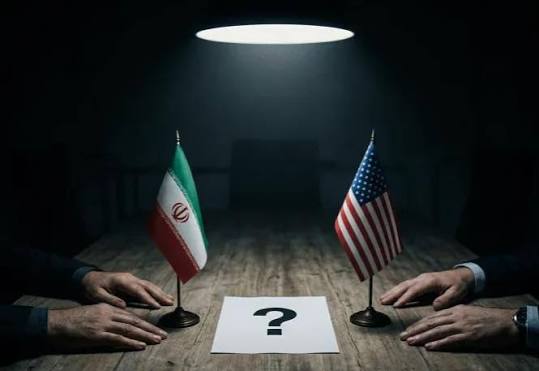
A new US-Iran framework agreement has eased immediate geopolitical tensions but is creating fresh compliance challenges for banks, multinational companies and trade operators navigating the uncertain future of sanctions restrictions.
The agreement has raised expectations of possible sanctions relief, including discussions around Iranian oil exports, frozen assets and access to international financial markets. However, compliance experts warn that diplomatic progress does not automatically translate into the removal of existing sanctions obligations.
While the framework may support renewed negotiations and increased regional trade activity, no broad sanctions relief package has been formally implemented. Businesses remain required to comply with existing restrictions until regulators issue clear guidance, licenses or formal amendments to sanctions programmes.
For financial institutions, the uncertainty creates a challenging operating environment. Banks and payment providers must continue screening customers, counterparties and transactions linked to Iran while avoiding assumptions that sanctions risks have disappeared. Shipping companies, energy traders and commodity businesses may face additional exposure as activity around the Gulf and the Strait of Hormuz increases.
The situation also highlights a long-standing compliance challenge: sanctions regimes are complex to unwind. Years of restrictions involving financial institutions, shipping networks, energy companies and trade intermediaries cannot be reversed overnight, leaving businesses vulnerable to regulatory breaches if they move too quickly.
Compliance Analysis
The US-Iran framework demonstrates that geopolitical developments can rapidly change risk profiles without immediately changing legal obligations. Compliance teams must distinguish between political announcements, negotiation frameworks and enforceable regulatory changes.
A key risk is “sanctions complacency” — where businesses interpret diplomatic developments as permission to resume higher-risk activities before official relief measures are confirmed. This can expose institutions to enforcement action, reputational damage and secondary sanctions risks.
The expected increase in regional trade activity also requires stronger controls around beneficial ownership checks, vessel screening, trade finance reviews and transaction monitoring. Iran-related sanctions evasion networks have historically relied on complex corporate structures, intermediaries and opaque shipping arrangements, making traditional name-only screening insufficient.
Compliance takeaway
Organisations should continue applying existing Iran-related sanctions controls until formal regulatory changes are announced. Compliance teams should:
- Maintain enhanced sanctions screening and transaction monitoring;
- Review exposure to Iranian-linked counterparties, vessels and trading networks;
- Strengthen beneficial ownership verification;
- Monitor OFAC and other regulatory updates closely;
- Train business teams to avoid assuming sanctions relief before official confirmation.
The framework may represent a shift in geopolitical relations, but for compliance professionals, the immediate priority remains managing uncertainty through disciplined risk assessment and robust sanctions controls.






No Comment! Be the first one.