




US Expands Sanctions on Shamkhani Shipping Network, Targeting Global Oil Trade
The United States has expanded sanctions against the shipping and logistics network linked to Iranian businessman Mohammad Hossein Shamkhani, designating more than 50 individuals, companies and...
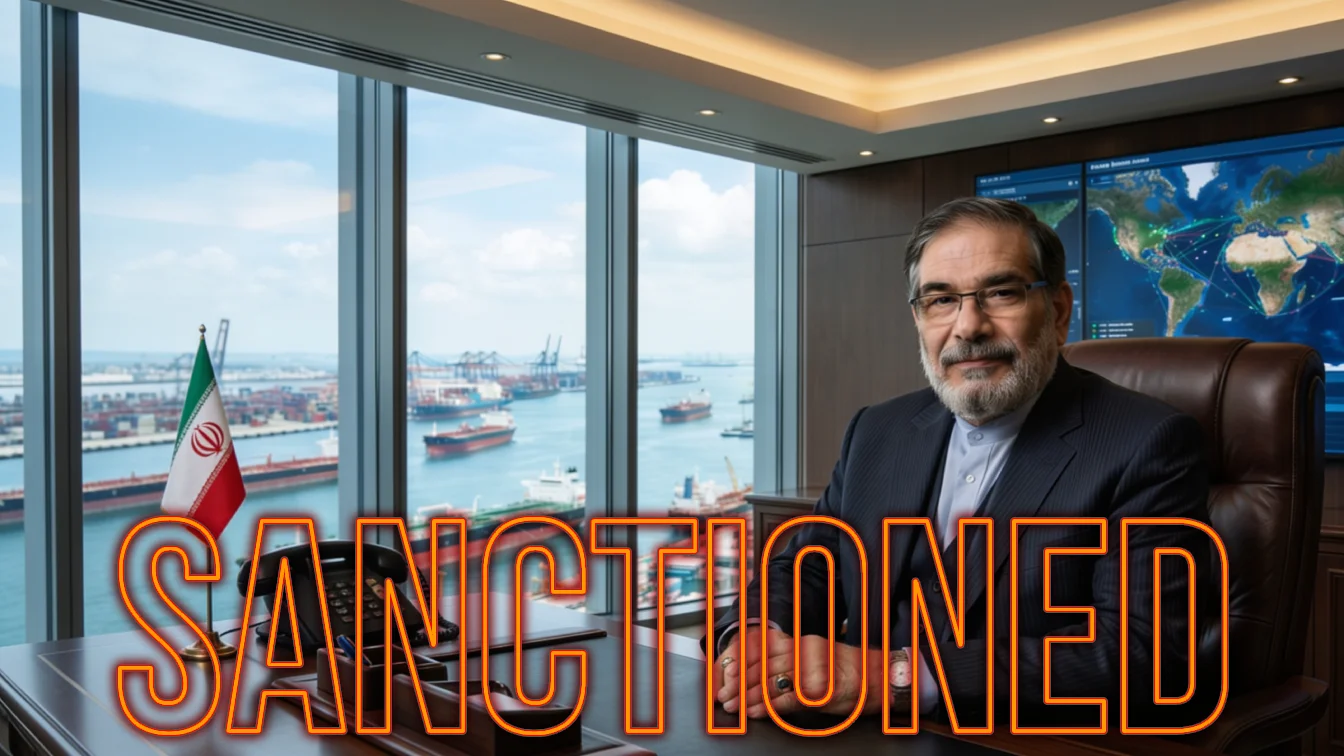
The United States has expanded sanctions against the shipping and logistics network linked to Iranian businessman Mohammad Hossein Shamkhani, designating more than 50 individuals, companies and vessels accused of facilitating Iran’s oil exports and sanctions evasion.
The latest measures, announced by the U.S. Treasury’s Office of Foreign Assets Control (OFAC), target entities involved in shipping, commodities trading and related financial activities that Washington says generate significant revenue for the Iranian regime. Treasury said the latest action brings the total number of sanctioned individuals, entities and vessels linked to the Shamkhani network to more than 200.
According to OFAC, the network allegedly uses a complex web of front companies, shipping operators and intermediaries to disguise the origin of Iranian crude oil and petroleum products, enabling sales to international buyers despite existing sanctions. Authorities say the network has expanded beyond oil transportation into container shipping and broader commodities trading, increasing its global footprint.
The sanctions freeze any U.S.-based assets of designated persons and prohibit U.S. individuals and businesses from engaging in transactions with them. Treasury also issued limited authorizations covering wind-down activities, certain safety and environmental transactions, and cargo offloading involving designated vessels.
Brief analysis
The latest action demonstrates the increasing sophistication of sanctions enforcement, with regulators focusing on entire commercial ecosystems rather than individual companies or vessels. By targeting ownership structures, shipping managers, logistics providers and affiliated trading companies simultaneously, authorities aim to disrupt sanctions evasion networks that rely on layered corporate structures and cross-border intermediaries.
The case also highlights the growing convergence between maritime risk, trade finance and financial crime compliance. Banks, insurers, commodity traders and shipping firms are under greater pressure to identify indirect exposure to sanctioned networks, particularly where beneficial ownership or vessel control may be obscured through shell companies and frequent changes in vessel registration or management.
Compliance takeaway
Financial institutions and trade finance providers should strengthen sanctions screening beyond customer names by incorporating vessel tracking, beneficial ownership verification, shipping route analysis, trade documentation reviews and ongoing monitoring of counterparties. Enhanced due diligence for maritime clients, commodities traders and logistics companies is increasingly essential to detect indirect links to sanctioned networks and mitigate sanctions evasion risks.






No Comment! Be the first one.