




Unused N22bn VP Residence Raises Public-Asset and Expenditure Control Questions
Nearly two years after the completion and commissioning of the official residence built for Vice President Kashim Shettima, the facility remains unused for its intended residential purpose,...
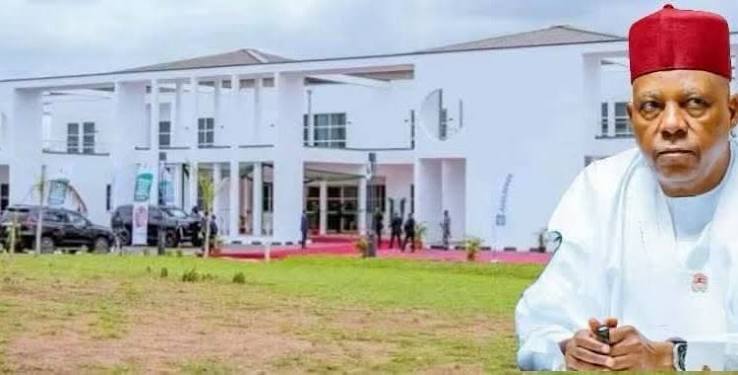
Nearly two years after the completion and commissioning of the official residence built for Vice President Kashim Shettima, the facility remains unused for its intended residential purpose, raising questions about public expenditure controls, asset utilisation, project governance and value-for-money oversight.
The residence, located in Abuja’s Three Arms Zone, was originally awarded in 2010 at a reported cost of N7 billion. After years of abandonment, the project was revived and completed under the Federal Capital Territory Administration. Its final cost has been reported at about N21 billion, while the contract was previously reported to have been reviewed to approximately N22 billion.
The facility was commissioned in June 2024, but Shettima has continued to use Akinola Aguda House within the Presidential Complex as his official residence. The Presidency has not provided a comprehensive public explanation for the continued non-occupation, although security considerations have been cited in reports.
From a compliance perspective, the issue goes beyond whether the building is occupied. It raises questions about project due diligence, expenditure justification, asset-management controls, certification, security assessments and post-completion utilisation planning.
For a major public project, effective governance should establish whether the asset meets its intended specifications, has received all necessary certifications and is operationally fit for purpose before substantial public expenditure is considered complete.
The continued non-use also creates potential recurring costs associated with security, maintenance and preservation of the facility. These costs should be captured within an accountable asset-management framework and subjected to appropriate budgetary oversight.
There are also questions around whether the original project scope remained appropriate after years of delays, whether cost revisions were adequately supported and whether lessons from the prolonged abandonment have been incorporated into government project-management controls.
The case illustrates a broader compliance principle: financial accountability does not end when a government project is completed and handed over. Value for money also requires evidence that the asset is properly certified, operationally fit, appropriately maintained and being used for the purpose for which public funds were committed.






No Comment! Be the first one.