





UN Updates Four Entries on ISIL and Al-Qaeda Sanctions List
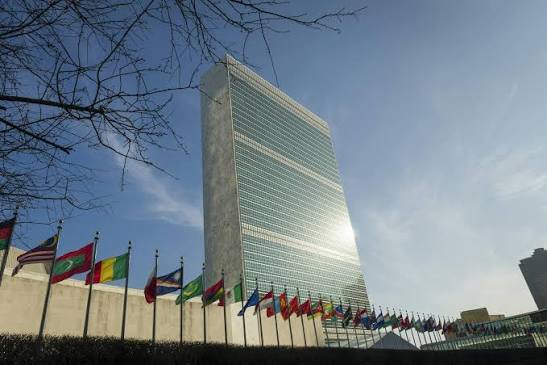
Meat of the Story The United Nations has updated four entries on its sanctions list for individuals linked to ISIL and Al-Qaeda, adding information that can make them easier to identify. The changes...
Meat of the Story
The United Nations has updated four entries on its sanctions list for individuals linked to ISIL and Al-Qaeda, adding information that can make them easier to identify. The changes are important for banks, businesses and other organisations that check customers and transactions against international sanctions lists. A person may use different names or other identifying details, making accurate screening essential. For compliance teams, the update is a reminder that sanctions checks must be kept current, rather than treated as a one-time exercise.
Analysis
The United Nations Security Council Committee responsible for the sanctions regime covering ISIL and Al-Qaeda has updated four entries on its sanctions list.
The changes include additional identifying information such as aliases, addresses and other details relating to the designated individuals. Such updates may appear administrative, but they have practical consequences for organisations responsible for preventing sanctioned individuals from accessing financial services or moving funds through the legitimate economy.
Sanctions lists are not static records. They are regularly amended as new information becomes available. Changes to names, aliases, addresses or other identifying details can help banks, financial institutions and other regulated businesses determine whether a customer or transaction is connected to a listed individual.
For businesses operating across borders, the significance is even greater. A customer may be known by one name in official documents while using another name elsewhere. Without updated information, screening systems may fail to identify a potential match.
The latest UN update therefore goes beyond four individual records. It highlights the continuing need for organisations to maintain accurate customer information and keep their screening systems aligned with international sanctions developments.
Compliance implications
The immediate responsibility for financial institutions is to ensure that the latest changes are incorporated into their sanctions screening processes.
Banks, fintech companies, money service businesses and other regulated firms should review their customer databases against the updated information. This should include checking aliases and other identifying details, rather than relying only on an exact match of a customer’s primary name.
Where a possible match is identified, the institution should establish whether the customer is actually the person named on the sanctions list. A similar name does not automatically mean that an individual is sanctioned. Other information, including date of birth, nationality, address and known aliases, can help determine whether the match is genuine.
The update also highlights the importance of keeping customer records accurate. If a financial institution has incomplete or outdated information about its customers, it becomes harder to distinguish legitimate customers from individuals who may be attempting to conceal their identity.
The review should not be limited to new customers. Existing relationships may also need to be checked when sanctions authorities amend their lists. Transactions involving higher-risk customers and jurisdictions may warrant closer attention where the available information raises concerns.
For compliance officers, the practical lesson is straightforward. A sanctions programme is only as effective as the information feeding it. An outdated list or incomplete customer profile can create a gap that a sanctioned individual may exploit.
Why the update matters
The UN sanctions regime is designed to restrict the ability of individuals and organisations linked to terrorism to access money, assets and other forms of support.
Keeping the sanctions list accurate is therefore an important part of the wider effort to disrupt terrorist financing. Adding aliases and other identifying information makes it more difficult for a listed individual to hide behind a different name.
For the private sector, the update is also a reminder that sanctions compliance is an ongoing responsibility. Screening a customer when an account is opened is not necessarily enough. International sanctions can change after the relationship has already begun.
That matters because financial crime does not always involve an obvious transaction. Money can move through several accounts, companies or jurisdictions before its ultimate destination becomes clear. Effective screening and good customer records can help institutions identify warning signs earlier.
There is also a reputational dimension. A financial institution that inadvertently provides services to a sanctioned individual can face regulatory consequences and damage to its reputation. More importantly, it may become an unwitting channel through which funds reach networks that international authorities are trying to disrupt.
The latest UN update reinforces a simple principle: knowing who is using the financial system requires keeping that information up to date.
For banks and other businesses, the task is not simply to download the latest sanctions list. They need to make sure the changes actually reach the systems, customer reviews and decisions that depend on that information.





No Comment! Be the first one.