





South Africa’s Immigration Crackdown Raises a Bigger Question: Is This About Compliance or Something More?
South Africa insists its new nationwide compliance crackdown is about enforcing the law. The message from Pretoria is straightforward: businesses must obey labour regulations, immigration rules must...
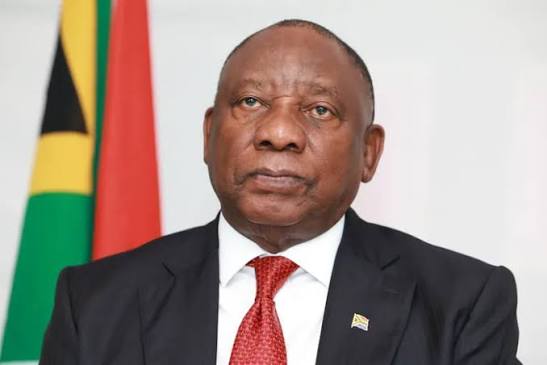
South Africa insists its new nationwide compliance crackdown is about enforcing the law. The message from Pretoria is straightforward: businesses must obey labour regulations, immigration rules must be respected, and those who break the law will face consequences.
That principle is difficult to dispute. No country can allow employers to ignore labour laws, exploit vulnerable workers, or create an underground economy built on cheap and unprotected labour.
But South Africa is not operating in a vacuum. The country is carrying the weight of a difficult history, repeated outbreaks of xenophobic violence, and growing frustration among African communities who say they have increasingly become targets of public anger.
That is why this latest enforcement drive deserves more than a government press statement. It deserves scrutiny.
The question is not whether South Africa has the right to enforce its laws. It does. The question is whether the law is being enforced evenly, transparently, and without allowing foreign Africans to become the easiest people to blame for problems created by deeper failures in the economy and governance.
If this is genuinely about compliance, then the government must prove it.
Where are the employers who have benefited from illegal hiring practices? Where are the companies that have underpaid workers, avoided contributions, and ignored workplace protections? An undocumented worker does not create an illegal labour market alone. There is always someone willing to employ that person, someone willing to profit from their vulnerability.
A serious compliance campaign cannot stop at the factory floor or the construction site. It must reach the boardrooms and businesses where these decisions are made.
South African authorities should publish the full results of this operation. The public deserves to know how many employers were investigated, how many were prosecuted, how many workers were found to have valid documentation, and how many cases ended in actual convictions.
Without that transparency, suspicion will grow.
Across the continent, many Africans are watching South Africa closely. The country presents itself as a leader in Africa, a champion of regional cooperation, and an advocate for deeper economic integration. Yet that leadership becomes harder to defend when citizens from neighbouring and fellow African countries repeatedly describe feeling unwelcome or targeted.
Pretoria cannot dismiss those concerns as mere misunderstanding. Diplomacy is not built only through government meetings and official statements. It is also shaped by the daily experiences of ordinary people who live, work, and invest across borders.
The recent strain in South Africa’s relations with other African governments should serve as a warning. Images, public reactions, and political signals matter. Leaders across Africa are paying attention to how their citizens are treated abroad.
South Africa now has an opportunity to demonstrate that its enforcement actions are about protecting the rule of law, not creating political theatre around migration.
That requires a tougher standard. It means prosecuting exploitative employers with the same determination shown towards undocumented migrants. It means protecting lawful migrants from harassment. It means ensuring officials themselves are held accountable when enforcement goes too far.
The measure of this operation will not be the number of arrests announced. It will be whether South Africa can convince the continent that compliance means compliance for everyone.
A country that wants to lead Africa cannot afford to send the message that some Africans are more expendable than others.







No Comment! Be the first one.