





Sanctions as a Compliance Weapon: How the New US Russia Bill Could Reshape Global Trade, Energy and Financial Risk
The latest United States sanctions push against Russia represents more than another round of economic restrictions; it signals an expansion of sanctions compliance into a broader geopolitical...
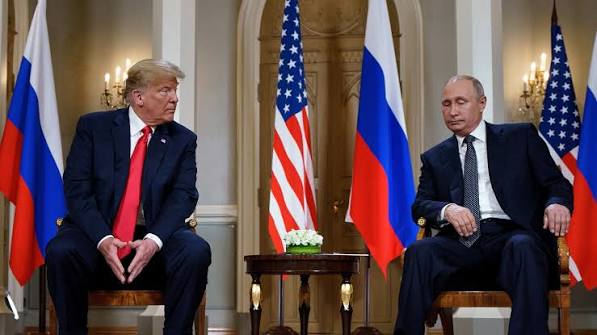
The latest United States sanctions push against Russia represents more than another round of economic restrictions; it signals an expansion of sanctions compliance into a broader geopolitical enforcement tool that could reshape global trade relationships, energy markets, and corporate risk exposure. The proposed legislation, which targets Russian energy revenues and introduces potential consequences for major buyers of Russian oil and gas, demonstrates how sanctions are increasingly being used to influence not only governments but also companies, financial institutions, and entire supply chains.
From a compliance perspective, the development reinforces a critical reality for multinational organisations: geopolitical events are now directly becoming regulatory risks. Companies operating across borders can no longer view sanctions compliance as a narrow legal obligation handled only by compliance departments. It has become a strategic business requirement involving supply chain management, third-party due diligence, financial controls, procurement oversight, and executive decision-making.
The proposed sanctions framework is designed primarily to increase pressure on Russia by restricting revenue streams linked to energy exports. The legislation would strengthen sanctions against Russian entities and officials while creating mechanisms that could impose significant economic consequences on countries purchasing Russian energy. The potential impact extends beyond Russia because major energy buyers, including China and India, maintain significant trade relationships with Moscow.
The Rise of Secondary Sanctions Risk
The most significant compliance implication is the growing use of secondary sanctions. Traditional sanctions regimes focused mainly on preventing direct transactions with targeted individuals, companies, or jurisdictions. Secondary sanctions expand this approach by creating risks for third parties that continue doing business with sanctioned entities or sectors.
For global companies, this changes the compliance equation. A company may not have direct dealings with Russia but could still face exposure through suppliers, logistics providers, financial intermediaries, insurers, commodity traders, or customers connected to restricted transactions.
This creates a need for enhanced sanctions screening and deeper supply chain visibility. Organisations must understand not only who they directly transact with but also the ownership structures, geographic links, payment routes, and ultimate beneficiaries connected to their business activities.
Energy Trade Becomes a Compliance Battlefield
Energy markets remain at the centre of the sanctions debate because Russian oil and gas revenues have historically represented a significant source of government income. The proposed measures seek to reduce Moscow’s ability to generate revenue from energy exports by targeting both Russian entities and countries that continue purchasing Russian energy.
For energy companies, traders, banks, and insurers, this creates heightened compliance obligations. Organisations must strengthen controls around cargo tracking, vessel ownership checks, beneficial ownership identification, sanctions screening, and transaction monitoring.
The issue is particularly relevant because sanctions evasion networks have become increasingly sophisticated. The use of intermediary companies, complex ownership structures, alternative shipping arrangements, and financial networks can make it difficult for organisations to determine whether they are indirectly supporting restricted activities.
China and India: The Compliance Challenge for Global Business
The potential impact on China and India illustrates the complexity of modern sanctions enforcement. Both countries have maintained significant energy relationships with Russia, creating potential exposure if Washington applies stronger restrictions against major purchasers of Russian oil.
For businesses operating in these markets, compliance teams will need to assess whether their activities could become indirectly affected by sanctions escalation. Financial institutions may face increased obligations when processing transactions linked to energy trade, while multinational corporations may need to review suppliers, joint ventures, and customers connected to affected sectors.
The challenge is balancing compliance obligations with legitimate commercial activity. Companies must avoid sanctions violations while also managing business continuity, contractual obligations, and geopolitical uncertainty.
Iran and the Expansion of Sanctions Enforcement
The inclusion of Iran within the broader sanction’s discussion reflects Washington’s continued effort to restrict revenue flows linked to strategic and security concerns. However, because Iran has already faced extensive sanctions for decades, the practical impact may depend largely on enforcement effectiveness rather than the creation of additional restrictions.
For compliance professionals, Iran remains a significant sanctions risk area because of complex ownership structures, indirect trade routes, and challenges in identifying prohibited transactions. Companies must maintain robust controls when dealing with jurisdictions where sanctions exposure is high.
Compliance Lessons for Organisations
The evolving sanctions environment requires organisations to move from basic screening approaches toward integrated sanctions risk management. A mature compliance programme should include continuous monitoring of regulatory developments, automated screening tools, third-party risk assessments, beneficial ownership verification, employee training, and documented escalation procedures.
Boards and senior executives must also recognise sanctions compliance as an enterprise risk issue. A sanctions breach can result not only in financial penalties but also reputational damage, loss of market access, regulatory investigations, and disruption of critical business relationships.
The responsibility for sanctions compliance should therefore extend beyond compliance officers. Procurement teams, finance departments, legal advisers, logistics managers, and business executives all play a role in identifying and managing sanctions exposure.
The Future of Sanctions Compliance
The latest US sanctions initiative highlights a broader transformation in global regulatory risk. Sanctions are no longer simply diplomatic instruments; they are becoming mechanisms that influence corporate behaviour, reshape supply chains, and redefine acceptable business relationships.
For companies operating internationally, the key question is no longer whether they are directly targeted by sanctions. The more important question is whether their networks, suppliers, customers, or financial partners create hidden exposure.
Compliance Takeaway: In an era of geopolitical sanctions, visibility is the strongest defence. Organisations that understand their counterparties, monitor supply chains, and embed sanctions controls into business strategy will be better positioned to navigate an increasingly complex global regulatory environment.






No Comment! Be the first one.