





OCC Rejects Bunq’s U.S. Bank Charter Over Capital, Management and Compliance Concerns
The U.S. Office of the Comptroller of the Currency (OCC) has rejected Dutch digital bank Bunq’s application for a national bank charter, citing significant supervisory and compliance concerns over...
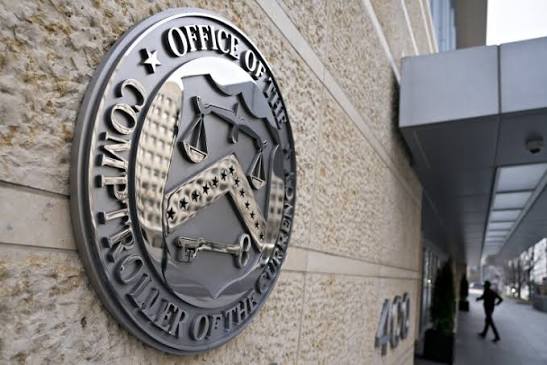
The U.S. Office of the Comptroller of the Currency (OCC) has rejected Dutch digital bank Bunq’s application for a national bank charter, citing significant supervisory and compliance concerns over its proposed U.S. operations.
The decision, contained in an OCC letter dated August 4, represents another setback for Bunq’s plans to establish a full banking presence in the United States. The fintech had reapplied for a U.S. banking charter in January after withdrawing an earlier application in 2024.
At the centre of the OCC’s concerns was whether Bunq had demonstrated that its proposed U.S. bank could be adequately capitalised, safely managed and operated profitably in the highly competitive American banking market.
According to the regulator, Bunq’s application did not clearly explain how its U.S. banking operations would be capitalised. The OCC also questioned whether the company’s management had sufficient experience with unsecured credit cards, a key component of its proposed lending activities.
The regulator further raised concerns about Bunq’s ability to operate safely and achieve profitability in the U.S. market.
Bunq acknowledged the concerns, saying it believed the OCC wanted a plan more specifically designed for the U.S. market, with greater demonstrated experience in the products the company intends to offer and more detail concerning its financial structure. The company said it intends to address the regulator’s concerns and continue pursuing a U.S. banking presence.
The rejection is particularly significant because a national bank charter carries substantially greater regulatory expectations than simply entering the U.S. financial-services market through partnerships or limited licences.
Bunq already secured approval from the Financial Industry Regulatory Authority (FINRA) in 2025 to operate as a broker-dealer, allowing it to offer investment products in the United States. Its banking application was intended to take its U.S. presence considerably further.
OCC Tightens Focus on Charter Applications
The Bunq decision also comes against the backdrop of a more explicit OCC approach to reviewing charter applications.
In June, the regulator clarified that applications can be denied where significant supervisory or compliance concerns exist. The OCC also stressed that applicants must provide sufficient information for regulators to assess their ability to operate safely and soundly.
For new banks, the OCC said applicants must clearly define their products and services and demonstrate how those offerings will be operationalised, supported by appropriate governance, risk-management and compliance-management infrastructure.
The agency’s fintech charter guidance similarly expects technology companies seeking national bank charters to demonstrate robust risk management, contingency planning and the ability to operate within the regulatory framework applicable to banks.
The Bunq case therefore highlights an important message for fintechs seeking to transition from technology or financial-services companies into regulated banking institutions: regulatory approval depends not simply on technological capability or customer growth, but on demonstrable financial resilience, experienced management, governance and compliance readiness.
Bunq’s rejection does not permanently close the door. The OCC has stated that a denied application does not prevent an applicant from submitting a subsequent application.
For Bunq, the next step will likely involve strengthening its U.S.-specific capital structure, management expertise, product strategy, risk controls and profitability model before seeking another regulatory approval.
Compliance Takeaway
The Bunq case reinforces a fundamental principle of financial regulation: innovation does not lower the threshold for safety and soundness.
Fintechs seeking banking licences should ensure that regulatory applications are supported by a clearly defined U.S.-specific business model, credible capitalisation plans, demonstrable management competence, product-level risk assessments and mature governance and compliance frameworks.
For compliance officers and boards, the lesson is equally clear: regulatory readiness must be demonstrated before expansion, not built after approval.






No Comment! Be the first one.