





Leading Compliance Into the Future: Wenceslaus Nwoga Unveils Vision for a Stronger, Smarter CIN
In this exclusive interview, Dr. Wenceslaus Nwoga, President and Chairman of the Governing Council of the Compliance Institute, Nigeria (CIN), shares his vision for a new era of compliance...
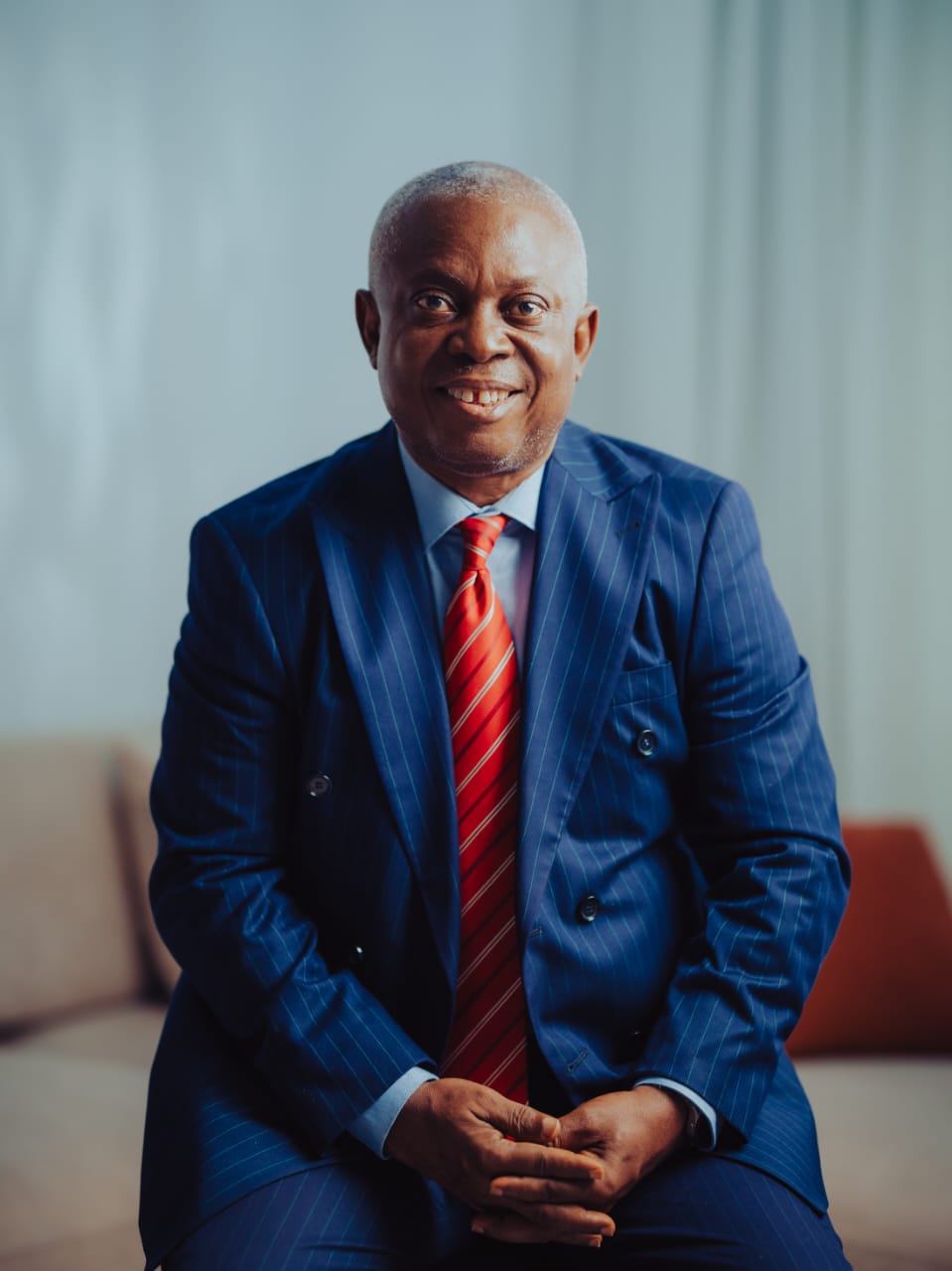
In this exclusive interview, Dr. Wenceslaus Nwoga, President and Chairman of the Governing Council of the Compliance Institute, Nigeria (CIN), shares his vision for a new era of compliance leadership. He outlines his priorities for strengthening professional standards, securing chartered status for the Institute, embracing technology-driven compliance, and positioning CIN as a leading voice in governance, ethics, and regulatory excellence in Nigeria and beyond. Paul Uviase, Tamuno Gobiri and Adedayo Adejobi bring the excerpts…
Congratulations on your election as President of the Compliance Institute, Nigeria. What does this moment mean to you personally and professionally, and what vision do you hope will define your presidency?
Indeed, I am deeply honoured and humbled by the trust my distinguished professional colleagues have placed in me by giving me the opportunity to lead our great Institute, the Compliance Institute, Nigeria (CIN). This moment is the result of many years spent building capacity and advocating for ethical conduct, good governance, and regulatory compliance in both the public and private sectors. I don’t see this as just a personal milestone; rather, it’s a call to serve our profession with purpose, humility, and a steadfast commitment.
From a professional standpoint, this moment signifies the increasing acknowledgment of compliance as a vital function that underpins sustainable institutions, economic resilience, and national development. As regulatory demands shift and organisations encounter more complex risks, the role of compliance professionals has never been more essential. I believe the Institute has a remarkable chance to influence the future of our field and enhance its role in Nigeria’s governance and business environment.
My vision is to cultivate an Institute that is respected worldwide, influential nationally, and deeply attuned to the needs of its members and stakeholders. We will prioritise advancing professional standards, broadening education and certification opportunities, fostering thought leadership, embracing innovation, and strengthening strategic partnerships with regulators, academia, industry, and international compliance organisations. Equally important is our dedication to mentoring the next generation of compliance professionals and creating more opportunities for young practitioners to flourish.
I look forward with positive mind and hope that my presidency will be characterised by the impact my Team will make rather than the title I hold – by ensuring the Institute emerges stronger, more inclusive, and better equipped for the future than when we began.
You assume office after the Institute’s pioneering decade under its founding leadership. How do you balance preserving that legacy while bringing your own ideas and leadership style to the role?
The first ten years of the Compliance Institute in Nigeria have been nothing short of extraordinary, marked by vision, commitment, and the building of a strong institution. Our founding leaders deserve a huge round of applause for turning a bold idea into a respected professional organisation that’s gaining recognition both nationally and internationally. They laid down the essential structures, values, and credibility that have established the Institute as a key player in advocating for ethical behaviour, regulatory compliance, and good governance.
To me, leadership isn’t about erasing the past; it’s about building on it. Every lasting institution grows because its leaders honour the foundation they inherit while adapting to new challenges. My approach will blend continuity with innovation. We’ll hold on to the Institute’s core values, maintain our commitment to professional excellence, and nurture the strategic relationships that have fuelled our success. At the same time, we need to stay flexible and forward-thinking in a world that’s changing rapidly in terms of regulations, technology, and the economy.
I believe in a leadership style that is collaborative, inclusive, and results-driven. The best ideas come to life when seasoned professionals, emerging practitioners, regulators, academics, and industry leaders unite around a common vision. I plan to enhance member engagement, bolster institutional governance, push forward with digital transformation initiatives, elevate research and thought leadership, and create more avenues for professional growth and international partnerships.
True leadership isn’t about breaking away from the past; it’s about empowering an institution to become even stronger while staying true to its mission. I see myself as a steward, not just a successor—someone who is dedicated to safeguarding what has been achieved while gearing up the Institute for its next chapter of growth and significance.
My aspiration is that, at the end of my tenure, the Compliance Institute, Nigeria will be recognised not only for the strength of its foundations but also for the boldness of its progress, the quality of its impact, and its continued contribution to shaping a culture of integrity and compliance in Nigeria and beyond.
In your inaugural remarks, you described leadership as “a relay, not a sprint.” What practical priorities will members begin to see within your first twelve months in office?

When I say that leadership is “a relay, not a sprint,” I’m really highlighting the idea that strong institutions thrive on continuity, shared goals, and the careful passing of the baton from one generation of leaders to the next. My aim isn’t just to chase short-term wins; it’s about laying a solid foundation for lasting, meaningful impact.
In the first year, members can expect a strong focus on deepening engagement and providing real value. One of my top priorities is to enhance the Institute’s connection with its members by creating more chances for professional learning, networking, mentoring, and sharing knowledge. We plan to roll out high-quality continuing professional development programs that prepare compliance professionals to tackle the latest challenges in regulation, technology, cybersecurity, ESG, anti-money laundering, and financial crime.
Another key area of focus is boosting the Institute’s thought leadership and policy influence. We aim to strengthen our partnerships with regulators, government bodies, academia, and industry players to ensure the Institute plays a significant role in national discussions around governance, ethics, risk management, and regulatory compliance. We’ll also promote more research, publications, and practical guidance to support both practitioners and organizations.
Digital transformation is also on our agenda. We want to enhance members’ access to learning resources, certification support, and Institute services through more efficient digital platforms, making it easier to engage no matter where you are.
Equally crucial is our commitment to the future of the profession. We’ll bolster initiatives that attract, mentor, and develop young compliance professionals while encouraging greater participation from women and other underrepresented groups in leadership and professional roles. Building a vibrant pipeline of future leaders is vital for the Institute’s long-term success.
I want our first year to be remembered not simply for launching new initiatives, but for building momentum, strengthening institutional capacity, and reinforcing a culture of excellence, integrity, and service.
You have built a career across compliance, governance, cybersecurity, data protection and financial services. How will this multidisciplinary experience influence the Institute’s strategic direction?
One of the key features of today’s risk landscape is that no single discipline stands alone. Compliance has evolved beyond just meeting regulatory requirements; it now overlaps with governance, cybersecurity, data protection, risk management, financial integrity, emerging technologies, and the overall culture of an organization. Having worked across these interconnected areas, I’ve witnessed firsthand how effective compliance relies on a comprehensive and integrated approach.
This diverse experience will shape the Institute’s strategic direction by promoting a wider perspective on the compliance profession. We will continue to uphold our core mission while equipping our members with the knowledge and skills necessary to navigate the increasingly complex and rapidly changing regulatory environment. The compliance professionals of the future must grasp not only the laws and regulations but also digital risks, privacy needs, cyber resilience, environmental, social, and governance (ESG) factors, artificial intelligence, and enterprise-wide risk management.
With this in mind, one of my top priorities is to foster interdisciplinary learning and collaboration. We will enhance our professional development programs, thought leadership initiatives, and strategic partnerships to expose our members to global best practices and emerging trends.
Another crucial focus will be to elevate the Institute’s role as a trusted authority on issues that sit at the crossroads of compliance, governance, and technology. As digital transformation speeds up across various sectors, organizations need practical guidance on how to manage regulatory expectations while responsibly embracing innovation.
My experience has reinforced a fundamental truth: strong governance, effective compliance, robust cybersecurity, and responsible data management are all interconnected pillars that support resilient organizations. My vision is to position the Compliance Institute, Nigeria as a forward-thinking institution that prepares its members not just for the challenges of today but for those of tomorrow as well.

One of your stated priorities is securing the passage of the Institute’s Charter Bill. Why is chartered status so important, and what difference would it make for the compliance profession in Nigeria?
One of my top priorities as president is to ensure the passage of the Institute’s Charter Bill. This is a significant step forward for the compliance profession in Nigeria. Over the last decade, we’ve made incredible strides in promoting professionalism, ethical standards, and building capacity. Achieving chartered status would give us the official recognition we need to solidify these accomplishments and elevate our profession’s impact on a national scale.
Having a charter would not only boost the Institute’s reputation but also strengthen our framework for achieving professional excellence. It would lay down a solid legal foundation for us to regulate standards, promote skills, set ethical guidelines, and support ongoing professional development in line with global best practices. This move would enhance public trust in our profession and highlight the essential role compliance plays in ensuring transparency, accountability, and good governance in both public and private sectors.
For compliance professionals, gaining chartered status would raise the profile of our work, increase the value of our qualifications, and create clearer pathways for career advancement. It would also promote consistency in our practices and enhance our ability to work alongside government bodies, regulators, financial institutions, and international organizations on matters that are crucial to our nation.
I plan to take a collaborative and inclusive approach. We will actively engage with the National Assembly, relevant government agencies, regulators, and key stakeholders to garner widespread support for the Charter Bill. I truly believe that by working together, we can establish a legislative framework that not only strengthens the Institute but also advances our profession and serves the long-term interests of Nigeria.
Technology is transforming financial crime and regulatory oversight at an unprecedented pace. How should compliance professionals prepare for the age of artificial intelligence, digital assets, cyber risk and increasingly technology-driven regulation?
Technology is truly transforming the compliance landscape in profound ways. With the rise of artificial intelligence, digital assets, blockchain, cloud computing, cybersecurity, and data-driven regulations, we’re seeing incredible opportunities for innovation. However, these advancements also bring about new and increasingly complex risks. Financial crime is becoming more tech-savvy, regulatory expectations are shifting at a rapid pace, and compliance professionals need to be ready to navigate this evolving environment with confidence.
The compliance professionals of the future will need to be both tech-savvy and strategic thinkers. While they don’t have to become software engineers or cybersecurity gurus, they do need to grasp how emerging technologies impact regulatory requirements, operational risks, governance, and decision-making within organizations. This calls for a commitment to continuous learning and an openness to change rather than a resistance to it.
As the President of the Compliance Institute Nigeria, I see it as our duty to equip our members for this changing reality. We aim to enhance professional education by integrating emerging topics like AI governance, digital asset regulation, cyber resilience, data protection, financial technology, digital forensics, and technology-driven financial crime into our training programs. Just as crucial, we will foster practical collaboration among compliance professionals, tech experts, regulators, and law enforcement to craft effective strategies against emerging risks.
Artificial intelligence, in particular, offers both exciting possibilities and significant responsibilities. It can greatly enhance regulatory monitoring, transaction oversight, fraud detection, and risk assessment. Yet, it also brings up critical issues regarding transparency, accountability, bias, privacy, and ethical governance. Compliance professionals must take a leading role in ensuring that AI is used responsibly and aligns with relevant laws and ethical standards.

Membership of the Institute continues to grow beyond traditional banking into fintech, manufacturing, energy, telecommunications and the public sector. How do you intend to ensure the Institute remains relevant to such a diverse professional community?
The growing membership of the Compliance Institute Nigeria highlights a crucial truth: compliance isn’t just for the financial services sector anymore. Nowadays, every organization—whether it’s in fintech, manufacturing, energy, telecommunications, healthcare, the public sector, or new industries—navigates a complex web of regulations and risks. This expanding membership is a real asset, bringing a wealth of diverse perspectives, experiences, and expertise to the Institute.
It’s our duty to make sure the Institute stays relevant, inclusive, and responsive to the unique needs of this varied professional community. My goal is to establish the Institute as the go-to place for all compliance practitioners, no matter their industry, by providing value that is both universally applicable and tailored to specific sectors.
To make this happen, we plan to broaden our professional development programs to tackle the ever-changing regulatory, governance, technology, and risk challenges that different industries face. While there are fundamental principles that connect all compliance professionals—like ethics, integrity, accountability, and good governance—each sector has its own regulatory requirements and operational realities. Therefore, we will promote more specialized learning, industry-focused forums, technical working groups, and knowledge-sharing platforms that allow members to share practical experiences and best practices.
We will also enhance our collaboration with regulators, professional bodies, academic institutions, and industry associations across various sectors to keep our programs up-to-date and relevant. By building these partnerships, we can better anticipate emerging risks, influence policy discussions, and equip our members with the skills they need to navigate changes with confidence. Just as important is our commitment to creating an inclusive Institute where every member feels represented and has the chance to contribute.
Across many organisations, compliance is still viewed as a control function rather than a strategic business partner. What must change for compliance to earn a stronger voice in boardrooms and executive decision-making?
The way we think about compliance is shifting away from just seeing it as a control or policing function, but there’s still a lot of progress to be made. In our fast-paced world filled with complex regulations, technology, and geopolitical challenges, organizations can’t hope to thrive without a solid and effective compliance framework. The most successful companies today understand that compliance isn’t a roadblock to growth; instead, it’s a catalyst for responsible innovation, smart decision-making, and safeguarding both profits and long-term value.
For compliance to have a more prominent role in boardrooms and executive discussions, both organizations and compliance professionals need to adapt. Boards and top executives should start viewing compliance as a strategic ally that offers valuable insights into emerging risks, governance, regulatory changes, ethical issues, and overall business resilience. Compliance should be part of the conversation from the very start of strategic planning—not just brought in after major decisions have been made. When compliance is woven into the fabric of business planning and operations from the get-go, it empowers organizations to spot opportunities, tackle risks head-on, protect their reputation, and boost stakeholder trust.
You have spoken about strengthening research and thought leadership. What role should the Institute play in influencing public policy, regulatory reform and governance standards across Nigeria and Africa?
As the Compliance Institute Nigeria continues to evolve, I truly believe it has a vital role to play as a reliable source of research and thought leadership, both locally and globally. This institute’s responsibilities go beyond just serving its members; it aims to enhance its capacity to contribute significantly to national development. By generating knowledge, shaping policy, and promoting standards, it can help strengthen institutions across the board. The Compliance Institute Nigeria is poised to be a trusted authority on compliance, governance, ethics, and regulatory excellence, providing evidence-based policy recommendations that matter.
Our goal isn’t to take over the roles of government or regulators, but rather to act as a credible partner. We aim to unite practitioners, academics, policymakers, and industry leaders to tackle emerging challenges and share practical solutions. The compliance profession is in a unique position to offer valuable insights into regulatory effectiveness, corporate governance, anti-money laundering, financial crime prevention, cybersecurity, data protection, environmental, social, and governance (ESG) issues, as well as the responsible use of new technologies like artificial intelligence.

Professional bodies are increasingly expected to deliver more value than certification alone. How do you intend to enhance learning, member engagement, digital services and career development throughout your tenure?
Today’s professional bodies need to do more than just hand out certifications; they should be all about creating ongoing value, fostering professional growth, and offering platforms that help members thrive throughout their careers. At the Compliance Institute Nigeria, we’re dedicated to building an institution that stays in tune with the ever-changing needs of compliance professionals, delivering real benefits at every step of their career journey.
One of my main goals during my time here will be to enhance learning and professional development. The compliance landscape is shifting quickly, influenced by complex regulations, technological advancements, cybersecurity threats, financial crime risks, and changing global standards. Engaging our members will also be a key part of our strategy. The true strength of any professional institute comes from the active involvement and connections among its members. We plan to create more chances for collaboration through professional forums, networking opportunities, mentorship programs, regional events, and communities of practice where members can share experiences and tackle common challenges. Digital transformation will be another crucial focus area. We aim to leverage technology to improve the member experience by offering more accessible digital learning resources, streamlined engagement platforms, and efficient access to the Institute’s services.
Leadership often comes with significant personal responsibility. As you begin this new chapter, what principles will guide your decisions when difficult choices inevitably arise?
I understand that every decision I make will not only impact the present but also influence the future direction and reputation of the Institute. Leading a professional organisation built on trust and integrity comes with a significant responsibility. As I step into this new role as President of the Compliance Institute Nigeria, I’m acutely aware that my choices will resonate beyond today. When faced with tough decisions, I will lean on principles that embody the core values of the compliance profession: integrity, transparency, fairness, accountability, and service.
I see leadership as a stewardship role. Being President is a privilege granted by our members, and it carries the duty to serve with humility and commitment. While difficult choices are part of any leadership path, true leadership is defined by how we navigate those choices—with courage, fairness, and a steadfast dedication to doing what’s right. My goal is to lead in a way that builds trust, inspires confidence, and positions the Compliance Institute Nigeria for success for future generations of professionals.

Away from compliance, regulation and boardrooms, who is Dr. Wenceslaus Nwoga? What interests, passions or routines help you maintain balance?
I know that leading a prestigious organisation like the Compliance Institute Nigeria (CIN) goes beyond just having technical skills and professional know-how. It’s about so much more. I’m driven by strong personal values like humility, fairness, empathy, resilience, integrity, professionalism, candour, emotional intelligence, and a true commitment to serving others. For me, leadership is fundamentally about people, which is why trust, transparency, accountability, inclusivity, responsibility, and teamwork are at the heart of how I approach service delivery and build relationships, both professionally and personally.
I also think that curiosity and a love for learning are crucial traits for any leader. With the world changing so quickly, it’s vital to stay informed, grasp new developments, and be open to fresh ideas. On a personal note, I believe in maintaining a healthy Work-Life-Balance to recharge my energy and keep my perspective sharp. I make it a point to engage in sports, connect with my hometown community, and nurture my relationships. Taking care of my physical and mental health is key, too. Carving out time for rest, reflection, and personal renewal helps me make better decisions and serve others more effectively.
On a personal level, I cherish the moments I spend with family, diving into books, reflecting on life, and engaging in activities that promote my growth. I love learning from different viewpoints, keeping up with advancements in technology, governance, and global issues, and having conversations that expand my understanding of the world. These interests keep me grounded and connected beyond my professional life. I believe that true leadership is not just about what you accomplish, but also about the positive impact you have on others and the organizations you serve.
Every successful leader relies on a strong support system. How has your family influenced your professional journey, and what role do they play as you take on this national responsibility?
It’s clear that our leadership journeys are shaped not just by our professional experiences but also by the unwavering support, encouragement, and sacrifices of those we hold dear. I’ve been incredibly lucky to have a family that has built a solid foundation of support, understanding, and motivation throughout my career. Their influence has been priceless in helping me juggle the demands of my professional life while staying true to the values that mean the most to me.
I’ve often drawn on the important lessons I’ve learned from my family that resonate deeply with leadership: patience, empathy, resilience, humility, and the commitment to serve others. These values have guided my approach to my professional duties and how I interact with colleagues, the broader compliance community, and stakeholders both within and outside Nigeria. The ability to listen, appreciate different viewpoints, and make thoughtful decisions is something that flourishes through meaningful relationships and shared experiences.
As I take on the role of President and Chairman of the Governing Council for our esteemed Institute, Compliance Institute Nigeria (CIN), my family will remain a vital source of encouragement, perspective, balance, and strength. Leading at this level comes with its fair share of commitments, including time, travel, and tough choices. Having a supportive family gives me the stability and confidence I need to excel in this role while keeping a healthy perspective on life.

Young compliance professionals increasingly see the profession as a meaningful career path. What advice would you offer those seeking to build careers founded on integrity, competence and ethical leadership?
It’s really encouraging to see young professionals taking an interest in compliance—this bodes well for the future of the field. Compliance has come a long way; it’s no longer just about ticking boxes for regulations. Instead, it’s now a vital part of strategic planning that fosters ethical decision-making, good governance, effective risk management, and long-term success for organizations. For the new wave of compliance practitioners stepping into this arena, there’s a fantastic opportunity to carve out careers that are not just successful but also meaningful.
To all the young professionals out there, I’d suggest grounding your careers in three key principles: integrity, competence, and a commitment to lifelong learning. Speaking of competence, it’s crucial to go beyond just knowing the rules. Today’s compliance professionals need to broaden their expertise to include areas like technology, cybersecurity, data protection, financial crime prevention, governance, risk management, artificial intelligence, and business strategy. Being able to grasp the bigger picture and offer practical solutions will set apart the compliance leaders of tomorrow.
At the Compliance Institute Nigeria, we understand that nurturing the next generation of professionals requires a thoughtful approach to mentorship. We’re committed to institutionalizing and enhancing mentorship programs by establishing structured platforms that link seasoned compliance leaders with up-and-coming professionals.
Looking ahead four years from now, what would success look like for your presidency? When members reflect on your tenure, what lasting impact would you hope they associate with Dr. Wenceslaus Nwoga and the Compliance Institute, Nigeria?
In three years, my team and I will measure our success not just by the initiatives we’ve launched, but by the robust institution we’ve built together and the positive impact we’ve made for our members, stakeholders, and the broader Nigerian economy. True leadership is reflected in the legacy it leaves behind—the systems we’ve strengthened, the people we’ve empowered, and the confidence we’ve inspired.
I hope that when my tenure comes to a close, members will look back and see a Compliance Institute Nigeria (CIN) that is not only stronger and more inclusive but also more innovative and influential both nationally and internationally. I envision the Institute as a trusted professional body that upholds high standards, nurtures exceptional compliance professionals, engages meaningfully in public policy discussions, and fosters a culture of integrity and ethical leadership across all sectors.
The Governing Council and I view ourselves as caretakers of this esteemed Institute. We share the responsibility of building on the solid foundation laid by our predecessors while also creating new avenues for growth, relevance, and sustainability. Our goal is to leave behind enhanced governance structures, increased member value, expanded professional development opportunities, deeper partnerships with stakeholders, and a vibrant pipeline of future compliance leaders.
Our ‘ACTIONS’ mantra at the CIN Governing Council will guide us on this journey to elevate CIN to new heights by embracing principles like Accountability, Consolidation, Transparency, Integrity, Optimization, Networking, and Sustainability.
In the end, we are hopeful that our time in leadership will be filled with success stories that demonstrate how we’ve uplifted the compliance profession, bolstered the Institute’s reputation, inspired the next generation of professionals, and forged stronger, lasting relationships with stakeholders to continue promoting the values of integrity, accountability, and excellence. I’m really enthusiastic to turn this vision into reality with some concrete outcomes. I want to support the hard-work and enormous contributions of our founding leaders at CIN and collaborate with our members and other stakeholders to further uplift our revered Institute. Together, we can strengthen the Institute and ensure it’s ready to harness the opportunities and surmount the challenges that lie ahead.






This interview covers a lot of ground on Dr. Nwoga’s priorities, from securing chartered status for CIN to embedding AI governance into professional training, giving a clear sense of direction for his leadership. The answers stay fairly high-level and aspirational throughout though, with few concrete numbers or timelines attached, making it hard to gauge what success would actually look like a year in.