



Kalshi Bans George Santos for Life and Hits Him With $71,356 Penalty Over Insider Trading
Prediction market platform Kalshi has permanently banned former US Congressman George Santos and imposed a $71,356 penalty after its compliance department found reasonable cause to believe he engaged...
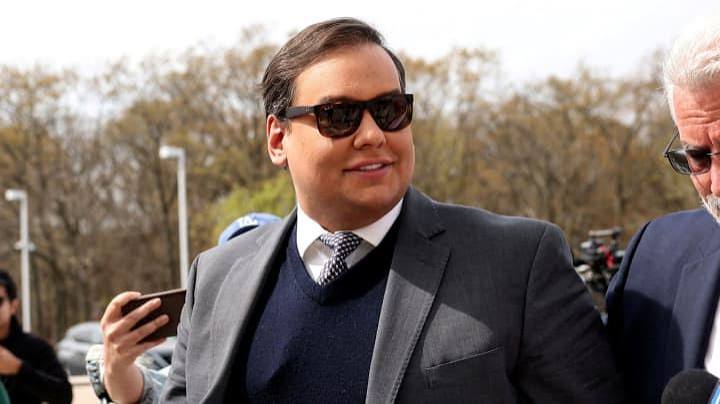
Prediction market platform Kalshi has permanently banned former US Congressman George Santos and imposed a $71,356 penalty after its compliance department found reasonable cause to believe he engaged in insider trading and market manipulation.
The lifetime ban, effective last Friday, is the first permanent trading ban issued by Kalshi. It prevents Santos from accessing the platform either directly or indirectly.
The case centres on contracts linked to whether Santos would attend President Donald Trump’s 2026 State of the Union address. Kalshi said Santos was prohibited from trading the market because he was capable of influencing the outcome.
According to the company, Santos nevertheless placed a series of large trades between February 2 and February 25 and subsequently made public statements about his attendance that were intended to influence market prices. Some of those statements were described by Kalshi as false or misleading.
Santos reportedly made $17,839 from the trading activity.
The case had already attracted federal regulatory attention. In July, the Commodity Futures Trading Commission imposed a three-year trading ban and required Santos to pay $35,000 in connection with the same conduct.
Kalshi said Santos’s lack of cooperation with its internal investigation contributed to the permanent ban. Other political figures investigated over prohibited prediction market activity received temporary bans after cooperating with the company’s compliance process.
Santos has rejected Kalshi’s action, calling the company “an unserious company” and describing the ban as “frivolous nonsense”.
For compliance teams, the case highlights a growing challenge for prediction markets. When traders can potentially influence the real-world events on which they are betting, access to non-public information, public statements and trading activity can become intertwined, creating a market integrity risk that requires surveillance beyond conventional customer checks.




No Comment! Be the first one.