





How Alleged ₦133.9 Billion Nigeria’s Warri Refinery Fraud Case Raises Questions About Governance and Project Oversight
The arraignment of a former Managing Director of the Warri Refining and Petrochemical Company (WRPC) over an alleged ₦133.9 billion fraud case has brought renewed attention to the importance of...
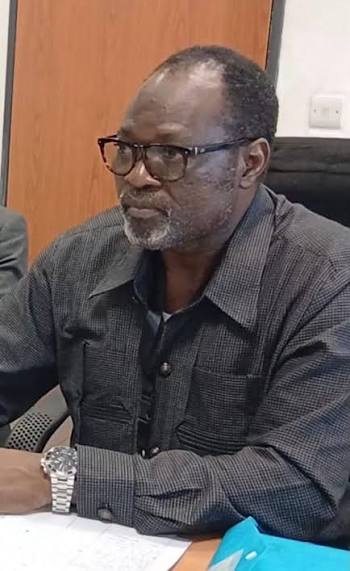
The arraignment of a former Managing Director of the Warri Refining and Petrochemical Company (WRPC) over an alleged ₦133.9 billion fraud case has brought renewed attention to the importance of financial controls, project governance and accountability in state-owned enterprises. According to the Economic and Financial Crimes Commission (EFCC), the former executive, along with other defendants, was charged over allegations linked to the handling of funds associated with the rehabilitation and operations of the Warri refinery.
The EFCC alleges that the defendants were involved in financial transactions that resulted in the diversion or mismanagement of significant public funds. The charges relate to activities connected with refinery rehabilitation projects and financial decisions taken during the period under investigation. The defendants are expected to face trial, and the allegations remain unproven until determined by the court.
The case highlights a familiar risk area in large-scale infrastructure and public sector projects: the challenge of ensuring that substantial financial allocations are properly managed, transparently accounted for and aligned with approved objectives. Major industrial projects often involve complex contracts, multiple vendors, technical consultants and significant capital expenditure. Without strong oversight mechanisms, these environments can create opportunities for financial irregularities, weak controls and misuse of resources.
For compliance and internal audit teams, the Warri refinery case reinforces the importance of governance structures around capital projects. Large rehabilitation programmes require more than budget approvals and procurement processes. Organisations need effective contract monitoring, independent verification of project milestones, proper segregation of duties and clear accountability for financial decisions.
The allegations also point to the importance of transparency in state-owned enterprises and organisations managing public resources. Where large sums are committed to strategic assets, stakeholders increasingly expect clear documentation showing how funds were approved, disbursed and applied. Strong financial controls are not only designed to prevent fraud; they also help organisations demonstrate that resources are being used effectively and responsibly.
The case further illustrates the risks associated with weak oversight of third-party relationships. Large engineering and infrastructure projects frequently depend on contractors, consultants and suppliers. Compliance programmes must therefore extend beyond internal operations to include vendor due diligence, contract reviews, payment verification and ongoing monitoring of service delivery.
For organisations operating in high-value sectors such as energy, oil and gas, and public infrastructure, fraud prevention requires a combination of financial discipline, operational transparency and independent challenge. Controls that exist only on paper may not be enough when projects involve billions of naira and complex technical arrangements.
Compliance Takeaway
The Warri refinery case serves as a reminder that major projects require continuous compliance oversight from planning through completion. Organisations should ensure that financial approvals are supported by proper documentation, project payments are linked to verified deliverables and responsibilities are clearly assigned.
Compliance teams should pay particular attention to high-risk areas such as procurement processes, contractor relationships, project variations, payment approvals and asset rehabilitation programmes. Independent reviews, audit trails and effective whistleblowing channels remain critical tools for identifying potential misconduct before financial losses become significant.
For public institutions and state-owned enterprises, accountability must be built into project governance from the beginning. Transparency, proper controls and independent oversight are essential to maintaining public confidence and protecting strategic assets.
Conclusion
The allegations surrounding the Warri Refinery case will ultimately be determined through the judicial process, and the defendants remain entitled to the presumption of innocence. However, the matter provides broader lessons for organisations managing large financial resources and complex infrastructure projects.
For compliance professionals, the key issue is not only the amount involved but the control environment that surrounds such transactions. Large-scale projects require strong governance, reliable monitoring and clear accountability. Where these elements are missing, even critical national assets can become exposed to significant financial and reputational risks.







No Comment! Be the first one.