




FG Tightens Free-Zone Rules as Nigeria Moves to Protect Tax Revenue
The Federal Government is moving to tighten the fiscal and customs regime governing Nigeria’s free zones, seeking to curb abuse of incentives while preserving the zones’ role in attracting...
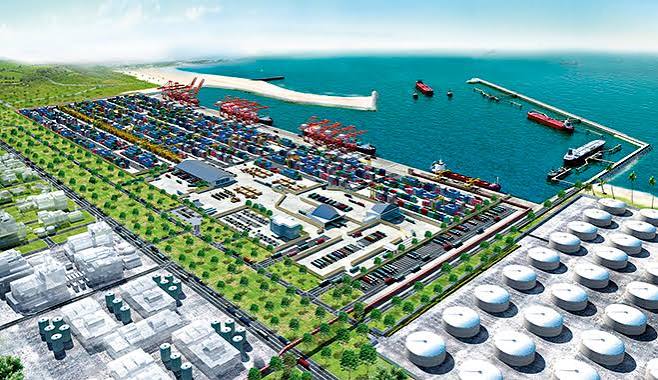
The Federal Government is moving to tighten the fiscal and customs regime governing Nigeria’s free zones, seeking to curb abuse of incentives while preserving the zones’ role in attracting investment and boosting exports.
The proposed Nigeria Export Processing Zones (Domestic Sales, Fiscal Alignment and Customs Treatment) Regulations, 2026 introduce new conditions around domestic sales by free-zone enterprises. Under the draft framework, companies would qualify for tax exemption on profits where at least 75 per cent of annual turnover comes from exports and no more than 25 per cent from sales into the Nigerian Customs Territory.
From January 1, 2028, however, profits arising from sales into the Nigerian Customs Territory would become fully taxable, irrespective of the proportion of a company’s domestic sales, according to the draft regulations.
The reform follows concerns from government and domestic manufacturers that some free-zone operators have been using incentives intended to promote exports while supplying the local market, creating what authorities consider an uneven competitive environment.
Industry, Trade and Investment Minister Jumoke Oduwole said the government’s objective was not to dismantle the free-zone regime but to restore its export orientation and strengthen fiscal accountability. She warned that government would no longer defend operators involved in practices such as diversion of goods, mispricing of related-party transactions or understatement of domestic sales.
Compliance Implications
The proposed framework would also strengthen enforcement against unauthorised movement of duty-free goods into the domestic market, with potential exposure to customs duties, import VAT, administrative penalties, seizure and prosecution.
The government is simultaneously working to clarify the responsibilities of the agencies regulating the zones. Under the proposed arrangement, NEPZA would retain responsibility for licensing and operational oversight, while the Nigeria Revenue Service would administer taxes and the Nigeria Customs Service would retain customs-control and enforcement functions.
The reform process has moved into drafting, with the Federal Ministry of Justice, Ministry of Industry, Trade and Investment, NEPZA, OGFZA, Customs, the Nigeria Revenue Service and industry stakeholders involved.
Government says legitimate investors will continue to enjoy lawful incentives, including qualifying tax exemptions and duty-related concessions, while the emerging framework will also accommodate Digital Free Zones and Digital Free Zone Enterprises.
Nigeria currently has 42 free zones and more than 500 licensed enterprises, according to NEPZA.
The central compliance challenge is becoming clearer: free-zone incentives will remain available, but continued access is increasingly tied to demonstrable compliance with export, tax and customs obligations.
Categories: Free Zones, Tax Compliance, Customs Compliance, Trade Regulation, Fiscal Policy, Corporate Compliance, Export Promotion, Investment, Regulatory Enforcement, Manufacturing
Keywords:






No Comment! Be the first one.