




FATF Opens the Door Wider, Bringing Namibia, Barbados and Thailand Into Its Inner Discussions
Story The Financial Action Task Force, FATF, has invited Barbados, Namibia and Thailand to participate in its Guest Initiative, giving the three countries a direct seat at FATF Plenary and Working...
- The global fight against dirty money is getting a broader voice. Barbados, Namibia and Thailand will now sit in FATF meetings for a year, giving regions that have relatively few FATF members a more direct say in how global financial crime standards are shaped.
Story
The Financial Action Task Force, FATF, has invited Barbados, Namibia and Thailand to participate in its Guest Initiative, giving the three countries a direct seat at FATF Plenary and Working Group discussions for one year.
The three jurisdictions will begin participating at the FATF’s October 2026 Plenary and will take part under their own national flags. The initiative is designed to bring more perspectives from FATF Style Regional Bodies, or FSRBs, into the organisation’s work.
The FATF said the initiative is intended to strengthen cohesion across its Global Network, which covers more than 200 jurisdictions, and to give countries that have relatively few FATF members participating in their regional bodies a stronger voice in global AML, counter terrorism financing and counter proliferation financing discussions.
The three countries follow Nigeria, Kenya, Jamaica, Senegal and the Cayman Islands, which have previously participated in the initiative. Nigeria and Jamaica joined under the Mexican FATF presidency in 2025.
The Guest Initiative was launched in 2024. FATF has now gone a step further by creating a Global Strategy Group, launched in June 2026, bringing together the chairs of the regional bodies to improve coordination and advise on cross regional risks and opportunities for cooperation.
Analysis
At first glance, this looks like an administrative change. It is not.
The FATF makes the standards that shape how countries approach money laundering, terrorist financing and proliferation financing. Those standards eventually show up in national laws, financial institution policies, regulatory examinations and the work of compliance teams.
So who gets to influence those discussions matters.
The problem the Guest Initiative is trying to address is fairly obvious. The FATF has 40 members, while its wider Global Network covers more than 200 jurisdictions through the FATF and its regional bodies.
A rule designed in Paris or discussed among the major FATF members can look very different when applied by a bank in Namibia, a financial institution in Barbados or a regulator in Thailand.
The people applying the rules need to be heard. That is the thinking behind the initiative.
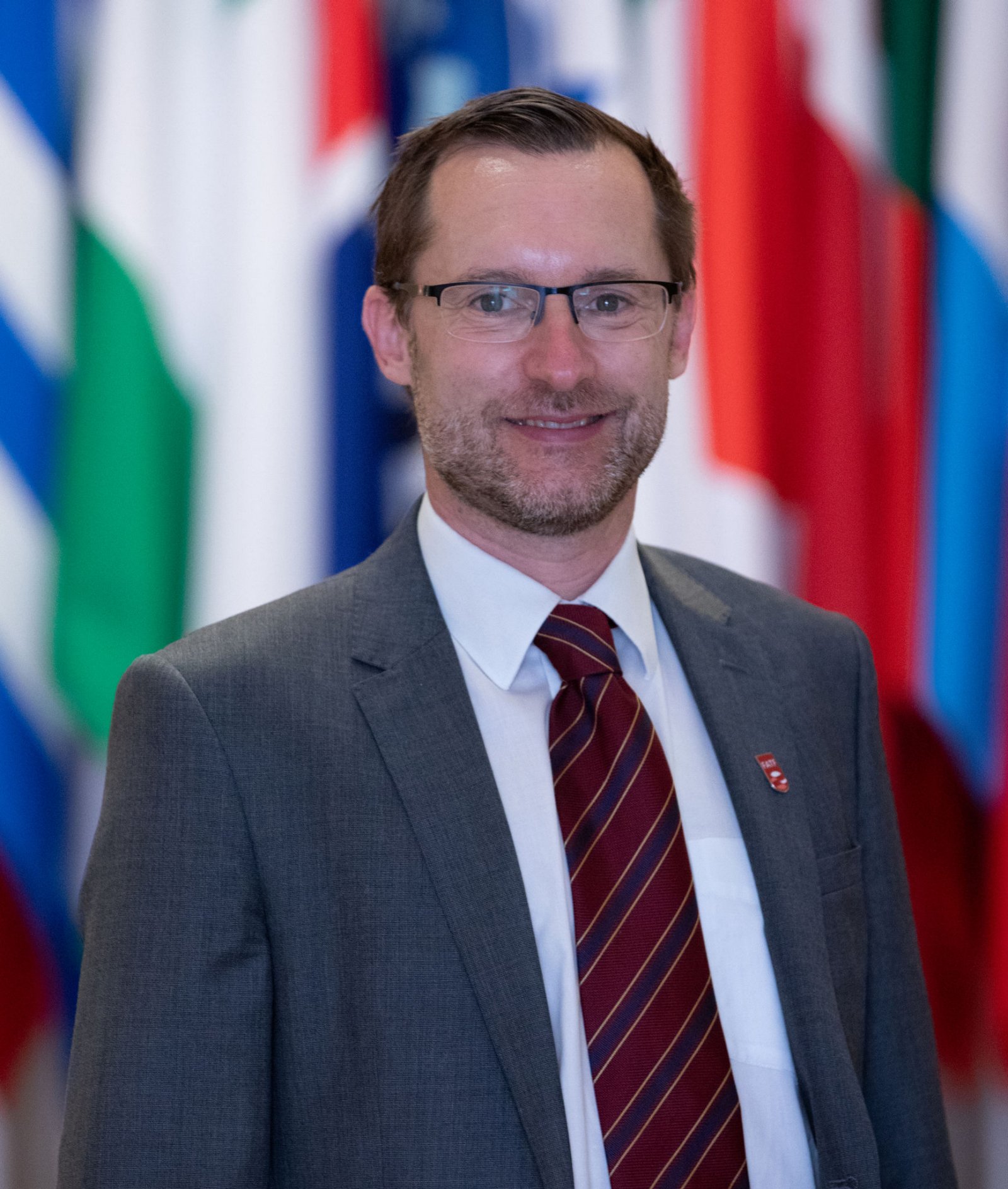
FATF President Giles Thomson said the participating jurisdictions bring practical experience from a wider range of environments and help the organisation understand the different risks and realities facing countries across the network.
Namibia’s seat is particularly relevant to Africa
For Africa, Namibia’s participation deserves attention.
Namibia will bring its domestic and Southern African perspective into FATF discussions, while also working through the Eastern and Southern Africa Anti Money Laundering Group, ESAAMLG.
Bryan Eiseb, Director of Namibia’s Financial Intelligence Centre, said the country expects the initiative to strengthen its AML, counter terrorism financing and counter proliferation financing framework and deepen regional cooperation.
That matters because African countries often face financial crime risks that do not fit neatly into models developed elsewhere.
Informal financial channels, cash intensive businesses, cross border trade, remittance flows, illicit commodity markets and weak institutional capacity can all affect how AML controls work in practice.
A requirement that looks straightforward on paper can become difficult when applied to those realities.
Having regulators and financial intelligence officials from the region directly involved in FATF discussions gives the organisation access to that practical experience.
Nigeria has already had a seat at the table
Nigeria’s participation is also worth remembering. The FATF says Nigeria and Jamaica participated in the Guest Initiative under the previous Mexican presidency.
That is important because Nigeria is one of Africa’s most significant financial markets and plays a central role in West African financial flows.
Nigeria also operates within the GIABA regional framework, which brings together West African countries on AML and counter terrorism financing issues.
The value of initiatives like this is therefore not simply diplomatic.
It can influence how regional risks are understood before they become global compliance expectations.
The private sector will eventually feel the effect
This is where the development becomes relevant to banks, fintech companies, payment providers and other regulated businesses.
FATF standards do not remain inside FATF meetings. They travel.
A change in international expectations can eventually mean changes to customer due diligence, beneficial ownership checks, suspicious transaction reporting, sanctions controls, risk assessments and regulatory examinations.
The more regional voices involved in developing those standards, the greater the chance that the resulting framework reflects how financial crime actually works across different markets.
That does not mean lower standards. It could mean better standards. There is a difference.
A global rule that nobody can realistically implement is not necessarily a strong rule. A rule that understands local risks while maintaining international expectations has a better chance of working.
FATF is trying to make its network less centralised
The Guest Initiative is part of a wider attempt to make the FATF Global Network more connected.
The organisation says the participating jurisdictions are encouraged not only to contribute directly to FATF work but also to strengthen engagement within their own regions.
The new Global Strategy Group points in the same direction.
Its members are the chairs of the FSRBs, giving regional bodies a formal mechanism for discussing cross regional risks and opportunities for partnership.
That is increasingly important because financial crime itself does not respect regional boundaries.
A laundering network can move money through West Africa, the Gulf, Europe and Asia without caring which regional AML body covers which country.
Regulators cannot afford to think in the same compartments.
Compliance Takeaway
The FATF Guest Initiative is a reminder that global AML policy is becoming more networked.
For African compliance teams, the immediate lesson is to pay attention not only to FATF statements but also to what is happening inside GIABA and ESAAMLG.
Those regional discussions can eventually shape the requirements imposed on banks, fintechs, financial institutions and other regulated businesses.
For Nigeria, the country’s earlier participation gives it a useful opening to continue influencing the international conversation rather than simply receiving standards after they have been made.
The real test is whether that voice translates into rules that understand the way money actually moves.
The criminals already operate across borders. The regulators are slowly organising themselves to do the same.





No Comment! Be the first one.