





Ethiopia’s Mining Deals Under the Microscope, and The Compliance Risks Behind Allied Gold’s China Link
The proposed acquisition of Allied Gold by China’s Zijin Gold has placed a spotlight on a growing compliance challenge in the global mining sector: how governments, investors, and companies...
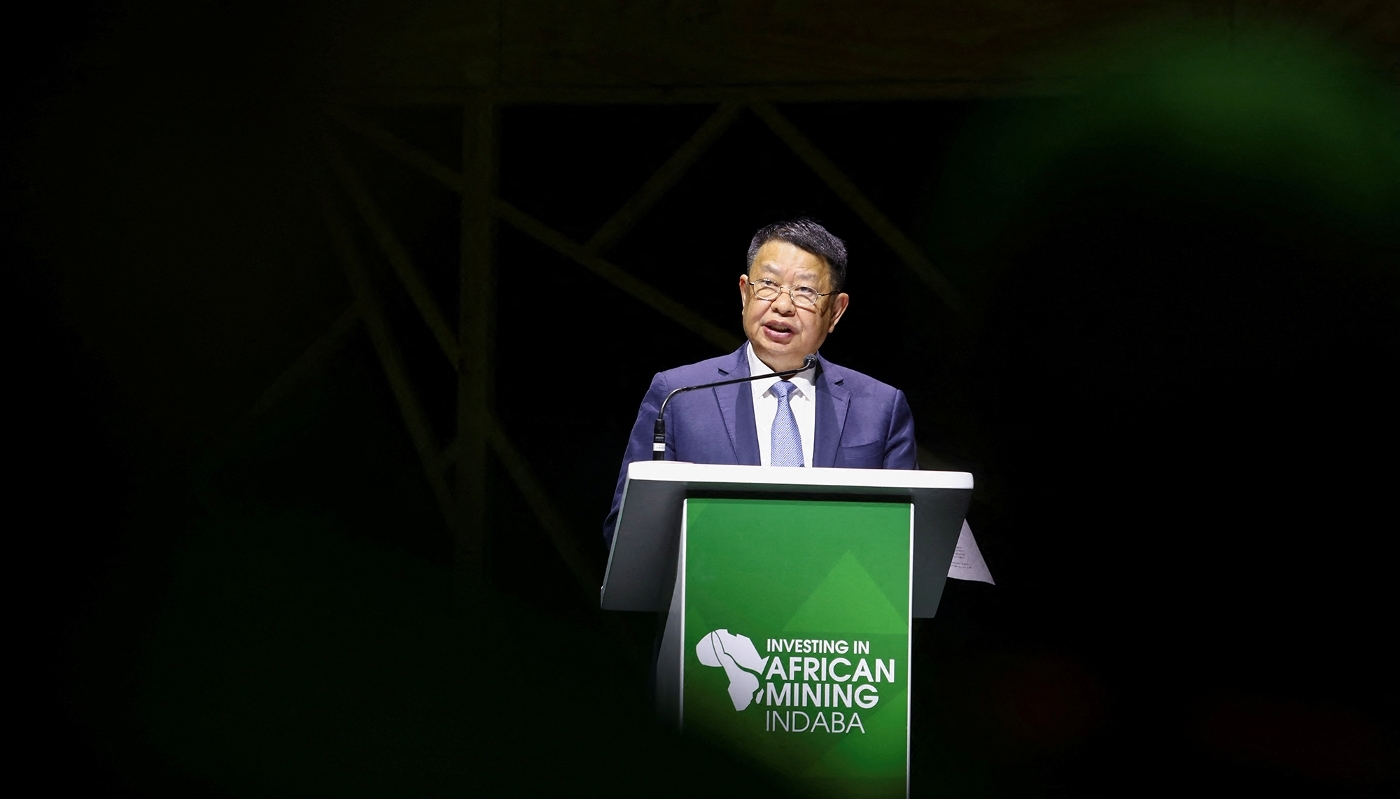
The proposed acquisition of Allied Gold by China’s Zijin Gold has placed a spotlight on a growing compliance challenge in the global mining sector: how governments, investors, and companies manage strategic resource deals involving geopolitical sensitivities, cross-border ownership, and high-risk operating environments.
Table Of Content
For compliance professionals, the transaction represents more than a corporate takeover. It highlights the complex intersection between investment, national interests, regulatory approval, community expectations, and political risk. As global demand for strategic minerals continues to rise, mining transactions are increasingly being assessed not only on financial value but also on governance, transparency, and long-term impact.
Allied Gold’s operations and development assets in Africa, including the Kurmuk gold project in Ethiopia, attracted significant attention as the proposed transaction moved through multiple regulatory processes. The deal required scrutiny across different jurisdictions, reflecting the increasingly complex compliance landscape facing multinational resource companies.
Beyond the Transaction: A Due Diligence Challenge
Large-scale mining acquisitions require extensive due diligence that goes far beyond financial assessments. Companies must evaluate ownership structures, political exposure, regulatory obligations, environmental commitments, community relationships, sanctions risks, and operational stability.
The Allied Gold transaction illustrates why third-party and cross-border due diligence has become central to modern compliance programmes. A company acquiring mining assets is not simply purchasing physical resources; it is also inheriting relationships with governments, contractors, local communities, employees, and regulatory authorities.
In jurisdictions where political conditions are evolving, compliance teams must assess whether existing governance structures can withstand changing regulatory expectations and potential disruptions.
Geopolitical Risk Enters the Boardroom
The transaction also demonstrates how geopolitical considerations now influence commercial decisions. Resource assets, particularly gold and critical minerals, have become strategic interests for governments and investors worldwide. This has increased scrutiny of foreign investment, ownership concentration, and the broader implications of major mining acquisitions.
For boards and executives, this means geopolitical risk can no longer be treated as an external affairs issue. It has become a core compliance and enterprise risk management concern. Companies must understand how international relations, government policies, and security considerations may affect their operations.
Governance and Transparency Expectations
Mining companies face growing pressure to demonstrate responsible ownership and operational practices. Investors, regulators, and communities increasingly expect transparency around beneficial ownership, environmental responsibilities, labour standards, and revenue contributions to host countries.
A successful acquisition requires more than regulatory approval. It requires trust from stakeholders who want assurance that resources will be managed responsibly and that local economies will benefit from investment.
This is where compliance functions play a critical role. Strong compliance frameworks help organisations identify risks early, maintain accurate reporting, prevent misconduct, and establish accountability throughout the supply chain.
The New Standard for Mining Compliance
The Allied Gold-Zijin case reflects a broader trend across Africa’s extractive industries. As international investors compete for access to mineral resources, compliance standards are becoming a determining factor in whether transactions succeed or fail.
Mining companies must increasingly combine commercial ambition with responsible governance. This requires stronger anti-corruption controls, enhanced third-party screening, environmental and social governance monitoring, and continuous assessment of political and regulatory developments.
The future of mining investment will not be defined solely by the value of the resource underground. It will also depend on the strength of governance systems above ground.
For compliance leaders, the lesson is clear: in today’s resource economy, every major transaction carries financial, regulatory, and geopolitical risks that must be managed together.







No Comment! Be the first one.