





Beyond the Penalty: What Learn Africa’s NGX Sanction Reveals About Market Governance
NGX Sanctions Learn Africa: A Compliance Warning on Closed-Period Trading Rules The sanction imposed on Learn Africa Plc by the Nigerian Exchange (NGX) for trading during a closed period highlights...
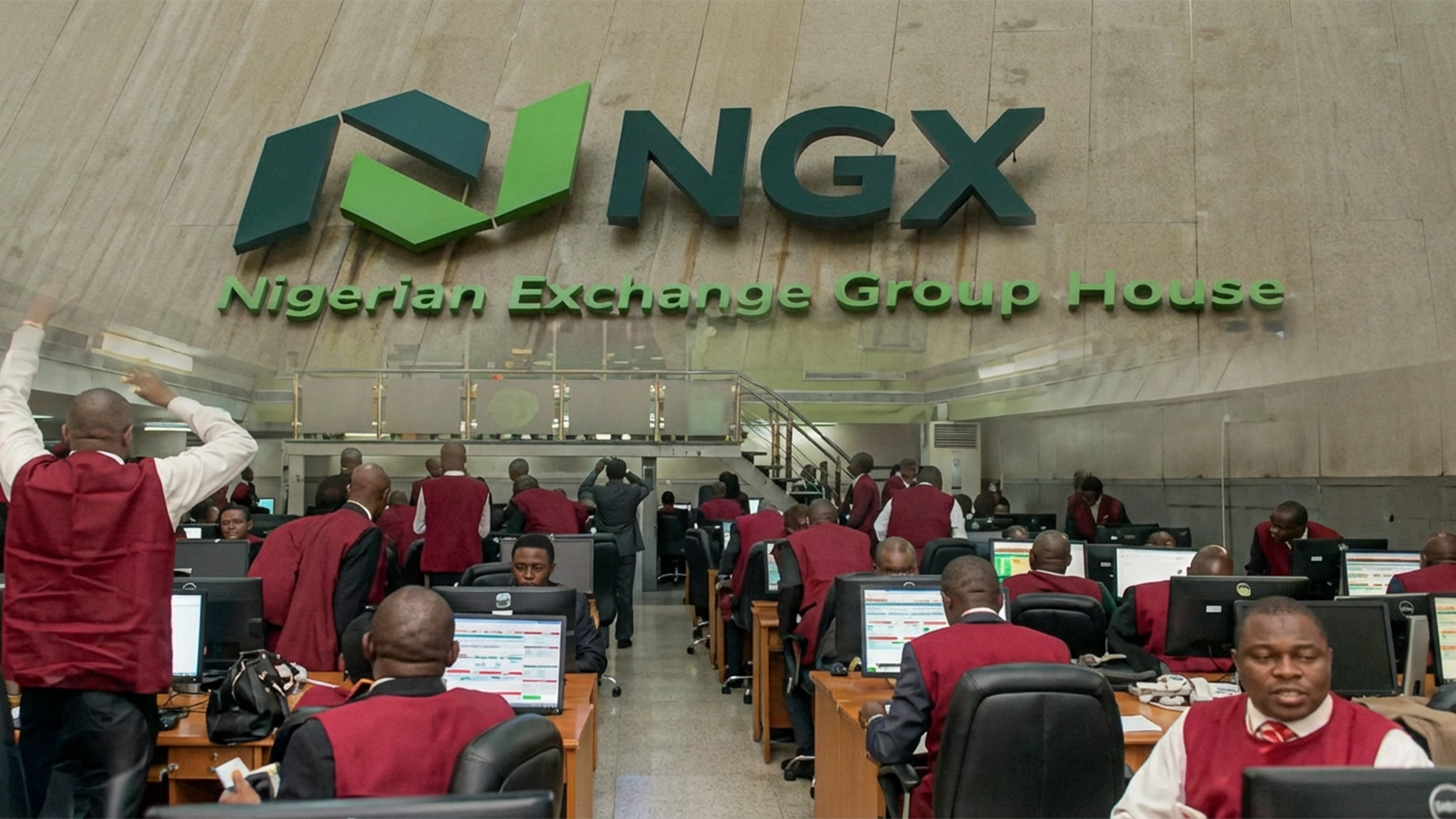
NGX Sanctions Learn Africa: A Compliance Warning on Closed-Period Trading Rules
The sanction imposed on Learn Africa Plc by the Nigerian Exchange (NGX) for trading during a closed period highlights the increasing emphasis regulators are placing on market integrity, insider trading controls, and corporate governance compliance within Nigeria’s capital market. The action serves as a reminder that listed companies and their insiders must maintain strict adherence to disclosure obligations and trading restrictions designed to protect investors and ensure fairness.
Closed periods are a critical component of securities market regulation. They are designed to prevent directors, executives, employees, and other connected persons from trading in a company’s securities when they may have access to unpublished price-sensitive information, particularly ahead of financial results or major corporate announcements.
From a compliance perspective, the Learn Africa case reinforces the principle that regulatory obligations in capital markets are not merely procedural requirements but essential safeguards against information asymmetry and market abuse. Companies listed on the NGX are expected to maintain robust internal controls that prevent restricted trading activities and ensure that insiders understand their responsibilities during sensitive reporting periods.
The sanction also highlights a broader governance challenge: compliance failures often occur not because rules are unavailable, but because internal monitoring systems fail to identify, prevent, or escalate breaches in time. A company’s compliance framework must therefore go beyond having policies on insider trading and include active controls, employee awareness, approval workflows, and surveillance mechanisms.
Closed Period Rules as Market Integrity Controls
The purpose of a closed period is to create a level playing field for all investors. Without such restrictions, insiders with access to confidential information could potentially trade ahead of the wider market, creating unfair advantages and undermining investor confidence.
For listed companies, managing closed periods requires coordination between company secretaries, legal teams, compliance officers, finance departments, and senior management. These functions must ensure that restricted persons are identified, notified, and prevented from engaging in prohibited transactions.
The Learn Africa sanction demonstrates that regulators are increasingly willing to enforce these obligations rather than treat violations as minor administrative issues. The Nigerian capital market depends heavily on investor trust, and enforcement actions help reinforce the expectation that all market participants operate under the same rules.
The Compliance Gap: Policy Versus Practice
Many organisations have insider trading policies, but the effectiveness of those policies depends on implementation. A compliance programme is only as strong as its ability to prevent actual violations.
Companies should maintain insider lists, monitor trading activities of connected persons, conduct regular compliance training, and establish clear escalation procedures when potential breaches occur. Automated alerts and transaction monitoring systems can also help identify unusual activity during restricted periods.
The Learn Africa case reflects a wider regulatory trend in financial markets where regulators are moving from passive supervision to more active enforcement. Capital market authorities globally are placing greater emphasis on transparency, accountability, and proactive risk management.
Corporate Governance Lessons for Listed Companies
The incident provides important governance lessons for companies operating within regulated markets. Board members and executives must recognise that compliance responsibility extends beyond regulatory departments. Senior leadership plays a key role in creating a culture where market rules are respected and compliance failures are treated as serious risks.
A strong governance structure should ensure that compliance teams have sufficient independence, access to relevant information, and authority to intervene when potential breaches occur. Companies must also ensure that external advisers, directors, and connected parties understand their obligations under securities regulations.
Failure to comply with closed-period restrictions can result in financial penalties, reputational damage, increased regulatory scrutiny, and reduced investor confidence. For publicly listed companies, reputational consequences can be as significant as financial sanctions because trust is a fundamental asset in capital markets.
Implications for Investors and the Market
Regulatory enforcement actions such as this are designed to protect investors by demonstrating that market rules apply equally to all participants. A transparent market environment encourages investment by assuring shareholders that trading activities are conducted fairly.
The Nigerian Exchange has continued strengthening regulatory oversight through measures aimed at improving disclosure standards, settlement processes, and market transparency. Recent regulatory developments, including increased attention to listing obligations and compliance with reporting requirements, demonstrate the growing importance of operational discipline among listed companies.
Compliance Takeaway
The Learn Africa sanction is a reminder that insider trading controls are not optional governance measures; they are fundamental market integrity requirements. Companies must ensure that closed-period restrictions are embedded into their compliance culture through effective monitoring, employee education, accountability structures, and preventive controls.
Compliance Verdict: In capital markets, information is power — and compliance controls exist to ensure that power is not misused. Strong insider trading frameworks protect investors, strengthen corporate credibility, and reinforce confidence in the financial system.







No Comment! Be the first one.