





Australia’s Record Cocaine Bust Expands as Two More Men Face Drug and Firearms Charges
Abstract Australian authorities have charged two more men in an investigation into the country’s biggest cocaine seizure. A Brisbane man faces drug and firearms charges after police searched a...
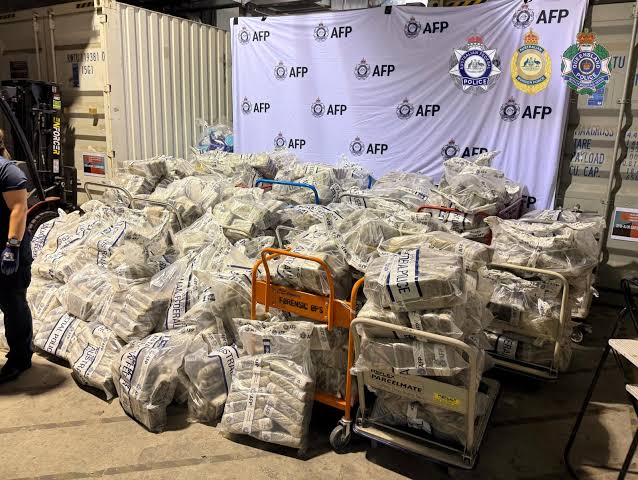
- Australia’s largest cocaine seizure investigation has widened, with two more men charged as authorities continue to dismantle an organised crime network allegedly responsible for moving huge quantities of illicit drugs. The investigation, known as Operation Minjiang, has so far resulted in the seizure of almost three tonnes of cocaine and 142kg of methamphetamine, highlighting the scale and sophistication of the trafficking operation.
Abstract
Australian authorities have charged two more men in an investigation into the country’s biggest cocaine seizure. A Brisbane man faces drug and firearms charges after police searched a home and allegedly found cash and electronic devices, while a Sydney man has also been charged in connection with the investigation. The wider operation has uncovered almost three tonnes of cocaine and 142kg of methamphetamine. Beyond the drugs themselves, the case offers a window into the financial infrastructure supporting large-scale organised crime, including cash movement, communications, logistics and potentially money laundering.
Analysis
The scale of Operation Minjiang points to a criminal enterprise operating well beyond individual drug deals.
Authorities have now seized almost three tonnes of cocaine and 142kg of methamphetamine during the investigation, making it one of Australia’s most significant organised crime investigations. The latest charges add another layer to an operation that has involved extensive policing activity across jurisdictions.
A search of a property in Kangaroo Point, Brisbane, resulted in the seizure of $80,000 in cash and electronic devices. A Brisbane man has been charged with drug and firearms offences, while a Sydney man has also been charged as part of the investigation.
Large-scale drug trafficking requires a financial infrastructure capable of collecting proceeds, paying suppliers and facilitators, financing logistics and concealing profits. Cash seizures can therefore provide investigators with an entry point into a much broader financial investigation.
Electronic devices can be equally valuable. Communications, transaction records, contact networks and digital evidence may help investigators establish relationships between individuals and identify the wider network behind the trafficking operation.
The case also demonstrates why drug trafficking and money laundering increasingly need to be investigated together.
A successful trafficking operation can generate substantial proceeds that criminals cannot simply leave in cash. The money must eventually be moved, stored, spent or converted into apparently legitimate assets.
That creates opportunities for financial intelligence.
Banks, payment providers, money service businesses, property firms, luxury-goods dealers and other sectors can potentially encounter the proceeds of organised drug trafficking without directly knowing the underlying source of funds.
For compliance teams, the lesson is that large-scale narcotics trafficking should trigger questions extending beyond the shipment itself.
Who finances the operation? Who owns the assets? Who controls the companies or businesses involved? Where do the proceeds go? Which transactions connect apparently unrelated individuals? How quickly does money move after a suspected trafficking event?
These questions can expose the financial architecture supporting organised crime.
Operation Minjiang therefore represents more than a major drug seizure. It illustrates the growing importance of combining traditional law enforcement with financial investigation.
The seizure of drugs removes illicit commodities from circulation. Following the money can potentially dismantle the organisation that financed, coordinated and profited from their movement.
Compliance Takeaway
The investigation reinforces a fundamental AML principle: following the drugs is only part of the job; following the money can expose the network behind them. Large-scale trafficking cases should prompt financial institutions and investigators to examine cash movements, beneficial ownership, unexplained wealth, digital payments, commercial relationships and asset purchases that may reveal how criminal proceeds are being integrated into the legitimate economy.





No Comment! Be the first one.