





EFCC Flags Nigerian Car Dealerships as Money Laundering Risks, Calls for Stronger AML Supervision
Nigeria’s Economic and Financial Crimes Commission (EFCC) has warned that automobile dealerships could be exploited to launder proceeds of crime, calling for stronger regulatory oversight and...
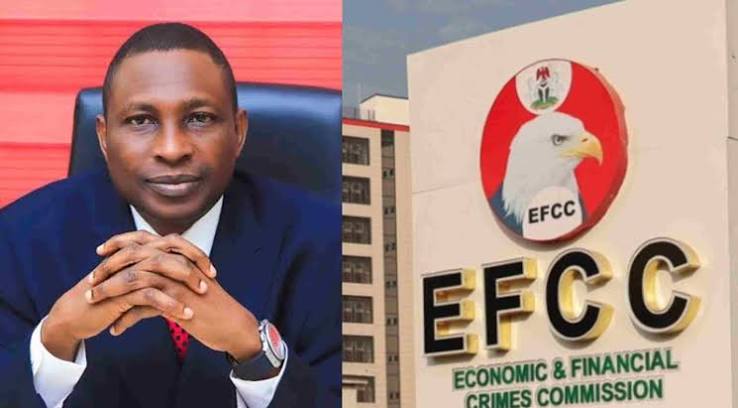
Nigeria’s Economic and Financial Crimes Commission (EFCC) has warned that automobile dealerships could be exploited to launder proceeds of crime, calling for stronger regulatory oversight and improved anti-money laundering (AML) controls across the sector.
The warning was issued during a stakeholders’ consultation organised by the National Automotive Design and Development Council (NADDC) in Abuja on the proposed National Automotive Industry Bill 2026.
Representing the EFCC, Francis Usani highlighted the proliferation of car dealerships across Nigeria and the potential for businesses to facilitate suspicious financial transactions where regulatory supervision is inadequate.
He noted that car dealers fall within the category of Designated Non-Financial Businesses and Professions (DNFBPs), which are subject to AML and counter-terrorist financing (CFT) requirements. Weaknesses in the supervision of DNFBPs have previously featured among the deficiencies identified in Nigeria’s financial crime prevention framework.
The EFCC stressed that the proposed legislation presents an opportunity to address regulatory gaps, strengthen monitoring arrangements and establish clearer compliance responsibilities for automobile dealers.
The concerns are particularly relevant given Nigeria’s removal from the Financial Action Task Force (FATF) grey list, reinforcing the importance of sustaining improvements in the supervision of non-financial businesses and maintaining compliance with international AML/CFT standards.
The Special Control Unit Against Money Laundering (SCUML), which operates under the EFCC, has responsibility for monitoring and supervising DNFBPs, including car dealers, through registration, inspections, compliance sensitisation and enforcement activities.
For compliance professionals and automobile businesses, the development highlights the importance of effective customer due diligence, identity verification, beneficial ownership checks, transaction monitoring and appropriate reporting of suspicious activities.
It also reinforces the need for dealers to understand their regulatory obligations and ensure that high-value vehicle transactions are supported by transparent and verifiable payment arrangements.
The proposed National Automotive Industry Bill 2026 is expected to strengthen the institutional framework governing the industry, with enhanced regulatory oversight and enforcement powers






No Comment! Be the first one.