





Nigeria Proposes Expanded Automotive Regulatory Powers, Raising Compliance and AML Oversight Implications
Nigeria’s National Automotive Design and Development Council (NADDC) is seeking elevation to commission status, alongside expanded regulatory and enforcement powers, under the proposed National...
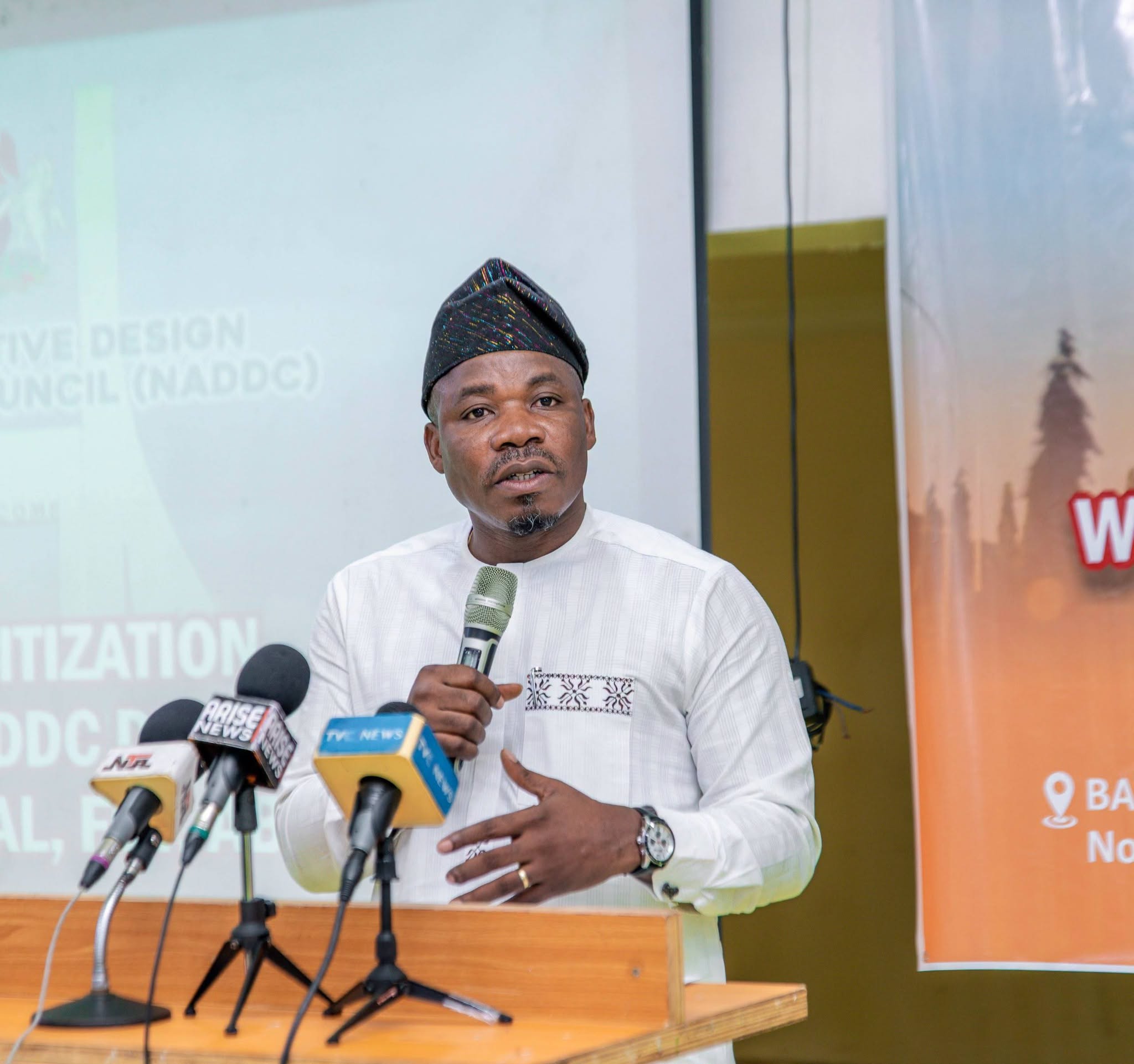
Nigeria’s National Automotive Design and Development Council (NADDC) is seeking elevation to commission status, alongside expanded regulatory and enforcement powers, under the proposed National Automotive Industry Bill 2026.
The proposed legislation aims to replace the existing NADDC Act 2014 with a broader institutional framework designed to strengthen governance, supervision and development of Nigeria’s automotive industry.
The proposed transition would establish a National Automotive Development Commission with enhanced responsibilities for regulating industry participants, coordinating sector policies and enforcing applicable standards.
The move comes amid growing concerns about regulatory gaps within the automobile market, including vehicle smuggling, fraudulent transactions, inadequate industry supervision and the potential misuse of automotive businesses for money laundering.
From a financial crime compliance perspective, the proposed reforms are particularly significant because automobile dealerships fall within the Designated Non-Financial Businesses and Professions (DNFBPs) framework. Their activities can expose the sector to risks involving high-value cash transactions, concealed beneficial ownership and the movement of proceeds of crime through vehicle purchases and sales.
However, automotive industry regulation and AML supervision remain distinct responsibilities. While an expanded automotive commission could strengthen sector-wide oversight, AML/CFT supervision of relevant DNFBPs remains an important function of the Economic and Financial Crimes Commission (EFCC), through its Special Control Unit Against Money Laundering (SCUML).
The proposed institutional changes therefore raise important questions about coordination between sector regulators and financial crime enforcement authorities, particularly in relation to information sharing, compliance inspections and enforcement referrals.
For compliance professionals, automobile dealers and industry operators, the development highlights the importance of maintaining effective customer due diligence, beneficial ownership identification, transaction monitoring and record-keeping arrangements.
The proposed legislation represents a potential restructuring of Nigeria’s automotive regulatory landscape, with implications for corporate accountability, sector transparency and financial crime prevention.







No Comment! Be the first one.