




Nigeria Moves to Strengthen AML Oversight in Automobile Sector Through EFCC-Led Inter-Agency Collaboration
Nigeria is taking steps to strengthen anti-money laundering (AML) controls and regulatory oversight in its automobile industry, following renewed collaboration between the Economic and Financial...
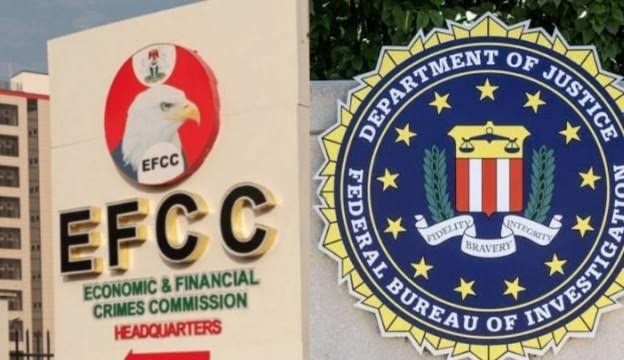
Nigeria is taking steps to strengthen anti-money laundering (AML) controls and regulatory oversight in its automobile industry, following renewed collaboration between the Economic and Financial Crimes Commission (EFCC), the National Automotive Design and Development Council (NADDC) and other government agencies.
The initiative forms part of broader efforts to address money laundering, fraudulent transactions, vehicle smuggling and regulatory violations within the automotive sector. It is also expected to improve transparency, strengthen enforcement and address institutional gaps that could be exploited for financial crime.
The proposed reforms are contained in the National Automotive Industry Bill 2026, which seeks to repeal the existing NADDC Act 2014 and establish a National Automotive Development Commission with expanded regulatory, supervisory and enforcement responsibilities.
Speaking at a public-sector stakeholder consultation on the proposed legislation, NADDC Director-General Oluwemimo Joseph Osanipin highlighted the need for stronger institutional coordination and clearer regulatory responsibilities across the industry.
The EFCC, represented by its Director of Regulatory Compliance, Francis Useni, expressed support for measures aimed at strengthening supervision and tackling organised fraudulent activities in the automobile market.
The proposed framework also envisages closer cooperation among government institutions on vehicle standards, anti-smuggling operations, environmental compliance and enforcement. The Nigeria Customs Service and Federal Road Safety Corps were among the agencies involved in the consultations.
For compliance professionals, the development highlights the financial crime risks associated with high-value goods and sectors where complex transactions, vehicle imports and ownership arrangements may create opportunities for illicit financial flows.
Automobile dealers, assemblers and other industry participants may face increased scrutiny as regulatory coordination and enforcement mechanisms develop. Businesses should therefore pay attention to customer verification, transaction transparency, beneficial ownership identification, record-keeping and applicable reporting obligations.
The proposed legislation represents an opportunity to strengthen the institutional framework governing Nigeria’s automotive industry while reinforcing the importance of effective AML controls and inter-agency cooperation.






No Comment! Be the first one.