





US Introduces Restrictions on Foreign Testing Laboratories for Electronic Devices Entering the American Market
The US Federal Communications Commission (FCC) has adopted new rules restricting the use of foreign testing laboratories for electronic devices intended for import and sale in the United States. The...
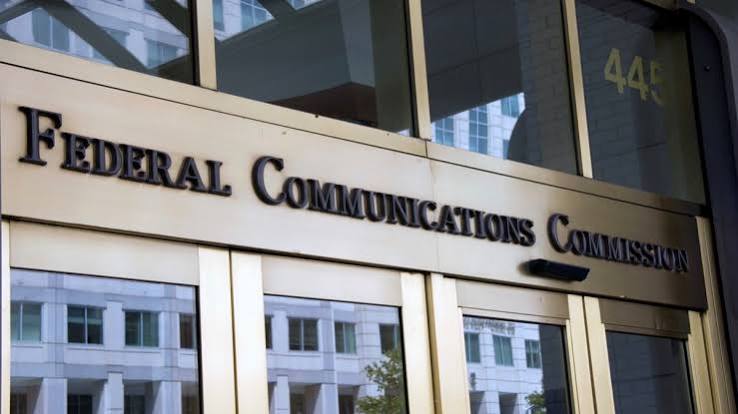
The US Federal Communications Commission (FCC) has adopted new rules restricting the use of foreign testing laboratories for electronic devices intended for import and sale in the United States. The measures, adopted on 29 October 2026, form part of Washington’s wider efforts to strengthen national security, protect communications infrastructure and increase oversight of technology supply chains.
Under the new framework, from 1 December 2028, the FCC will recognise testing conducted only by laboratories located in the United States or in designated ‘reciprocal economies’ that provide equivalent recognition to US testing facilities.
As a result, testing reports issued by laboratories in countries including China, India and Switzerland will no longer be sufficient to obtain FCC authorisation under the revised requirements. Existing device certifications will remain unaffected.
The FCC’s decision reflects concerns about the integrity and security of overseas testing arrangements, including potential access to confidential product information, intellectual property risks and the reliability of testing procedures.
China has criticised the decision, with its Ministry of Foreign Affairs indicating that it may take measures to protect its interests if the restrictions proceed.
The new requirements could have significant implications for electronics manufacturers, importers, testing laboratories and international supply-chain operators that rely on overseas certification services.
For compliance professionals, the development highlights the importance of monitoring changes in technical regulations, import controls and country-specific regulatory restrictions. Businesses should review their testing and certification arrangements, identify exposure to affected jurisdictions and assess whether alternative accredited laboratories will be required.
Companies operating internationally should also consider the potential contractual, operational and financial consequences of the transition before the December 2028 implementation deadline.







No Comment! Be the first one.