




$1M Bribery Scandal Rocks Ghana Power Deal as Ex Goldman Banker Convicted in US
A decade old corruption scheme tied to a multimillion dollar power project in Ghana has ended with a US federal jury convicting former Goldman Sachs executive Asante Kwaku Berko of foreign bribery...
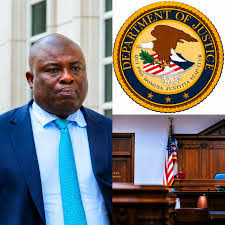
A decade old corruption scheme tied to a multimillion dollar power project in Ghana has ended with a US federal jury convicting former Goldman Sachs executive Asante Kwaku Berko of foreign bribery and money laundering offences.
Berko, a dual US Ghanaian citizen and former Executive Director in Goldman Sachs’ investment banking division, was found guilty in Brooklyn on 6 August 2026 after a nine day trial. He was convicted of conspiracy to violate the Foreign Corrupt Practices Act, violating the FCPA and conspiracy to commit money laundering. He faces a maximum sentence of 30 years, with sentencing scheduled for November.
The case centred on a power plant project involving Ghana and Turkish energy company Aksa Enerji, a Goldman Sachs client. US prosecutors alleged that Berko and associates paid more than $1 million in bribes to Ghanaian officials between 2014 and 2015 to secure government approvals for the project.
The compliance failure was not simply the alleged bribery. Prosecutors said Berko actively concealed the scheme from Goldman Sachs’ compliance function, used a personal email account to discuss the payments and directed associates to do the same. The alleged bribe proceeds were further concealed through shell companies, sham invoices, nominee account holders and cash withdrawals, with funds moving through US and foreign bank accounts.
Goldman Sachs ultimately withdrew from the transaction after corruption concerns emerged. The bank itself was not accused of wrongdoing in the case.
The alleged scheme also demonstrates how corruption risk can migrate across multiple compliance layers. A transaction may initially appear to be legitimate project finance, while the underlying risks sit inside government approvals, intermediaries, beneficial ownership structures, expense payments and executive relationships.
The case has also become a test of international enforcement cooperation. Ghana’s Office of the Special Prosecutor confirmed that it provided investigative and evidentiary assistance to the FBI through the country’s mutual legal assistance framework. Ghanaian authorities have indicated that cooperation with US investigators will continue in relation to other individuals potentially implicated in the wider bribery scheme.
For banks and multinational companies, the warning is stark. Compliance controls cannot stop at onboarding, transaction screening or formal approvals. Personal email usage, unusual payment structures, third party relationships, government touchpoints and unexplained changes in deal economics can all become critical indicators of corruption risk.
The Berko conviction therefore lands as more than another FCPA prosecution. It is a reminder that the employee inside the control room can become the greatest compliance risk when controls are deliberately bypassed.
Compliance takeaway: The case illustrates why sophisticated compliance programmes increasingly need to monitor conduct risk as well as transaction risk. The alleged use of personal email, intermediaries, shell entities and nominee accounts shows how an otherwise legitimate cross border transaction can be deliberately separated from the corrupt activity financing it.
The Ghanaian dimension is equally significant. The cooperation between Ghana’s OSP and US authorities demonstrates how FCPA investigations can develop into genuinely multinational enforcement matters, with evidence, suspects, financial flows and regulatory responsibility spread across jurisdictions.




No Comment! Be the first one.